The US has extended the easing of sanctions on Russian oil for another month

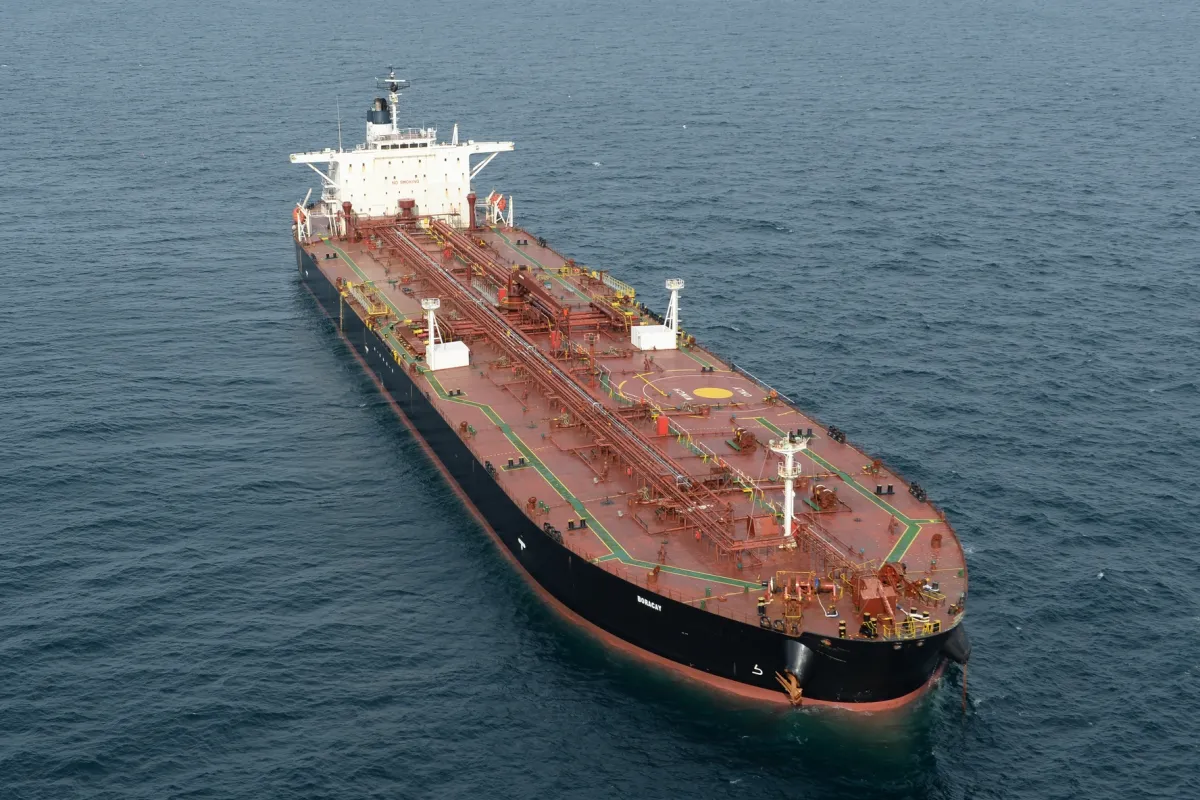
US Treasury Secretary Scott Bessent said on Monday that Donald Trump’s administration would extend for another month the sanctions exemption allowing the sale of Russian crude oil already loaded onto tankers, Politico reports.
The decision was taken to support the global oil market and keep oil prices in check against the backdrop of the war with Iran, which has been ongoing for almost three months and is affecting shipping through the Strait of Hormuz.
At the same time, critics argue that such a decision allows Russia to profit from high oil prices and fund Moscow’s military machine.
On Monday, the price of US benchmark crude rose by around 2% to around $103 per barrel.
A general licence from the US Treasury Department’s Office of Foreign Assets Control allows any country to continue purchasing Russian oil already at sea for another month. This is the third extension of the sanctions relief since it was introduced in March and renewed in April.
In a post on X, Scott Bessent stated that the decision would help stabilise the physical crude oil market and ensure energy supplies to the most vulnerable countries.
“This general licence will help stabilise the physical crude oil market and ensure oil flows to the most energy-vulnerable countries,” Bessent wrote.
According to him, this will also help redirect existing supplies to the countries most in need of energy resources and reduce China’s ability to stockpile cheap oil.
The minister also stated that the Treasury would work with vulnerable countries and issue individual licences where necessary.
This is the second time Bessent has extended the exemption following previous announcements of its withdrawal. In April, he said he did not plan to extend the exemption beyond the first 30 days, but later changed his mind.
Last month, during a congressional hearing, Bessent explained his decision by citing appeals from more than ten of the world’s most energy-vulnerable and poorest countries.
“If we had not granted this relief, oil prices could have reached $150 a barrel,” Bessent said.
He also said that in such a situation, Russia earns less than it could have if prices had risen even further, whilst American consumers pay less for fuel.
Later, in an interview with the Associated Press, Bessent stated that he would not extend the exemption a second time after it expires on Saturday.
Brett Erickson, managing partner at the consultancy firm Obsidian Risk Advisors, said that following the arguments on humanitarian grounds, Bessent effectively had no choice but to grant a further extension.
“The Strait of Hormuz is still closed, and the crisis for many Asian countries has got even worse,” said Erickson.
At the end of last month, 14 Democratic senators called on Bessent to reinstate the sanctions and described the exemption as “a mistake that President Trump must correct immediately”. Ukraine also strongly criticised the easing of sanctions.
The US Treasury Department did not renew a specific exemption allowing the sale of Iranian oil last month. Washington has also imposed new sanctions against Tehran, notably targeting so-called ‘teapot’ refineries in China that process Iranian oil.
These measures are part of a campaign that Scott Bessent has dubbed Operation “Epic Rage”.
On Monday, the US Treasury Department also announced a $275 million settlement with the Indian company Adani Enterprises over allegations of importing Iranian liquefied gas under the guise of shipments from Oman and Iraq.
On Friday, upon his return from Beijing, Donald Trump told reporters that he was considering lifting sanctions on Chinese “teapot” refineries.