Trump is considering limited strikes against Iran following the collapse of negotiations

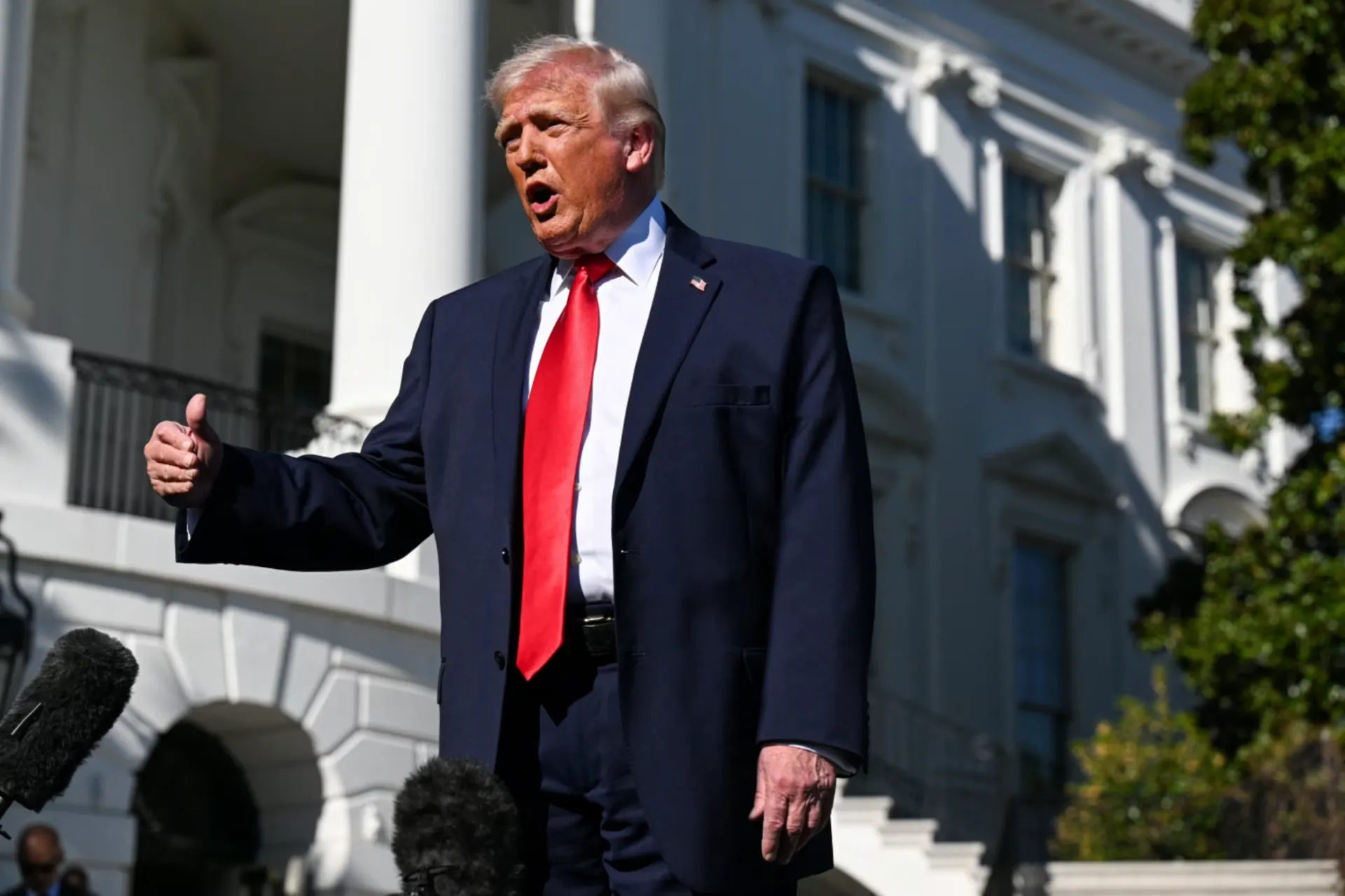
US President Donald Trump and his advisers are considering the possibility of resuming limited military strikes against Iran amid a deadlock in peace talks. This has been reported by government officials and sources familiar with the situation. The Public reports this, citing The Wall Street Journal.
The issue was discussed on Sunday after talks between the US and Iran in Pakistan ended without result. A full-scale military campaign remains among the options, though it is considered less likely due to the risks of further destabilising the region and a reluctance to engage in prolonged conflicts.
In addition, a temporary blockade is being considered, which would involve pressuring allies to participate in escorting ships through the Strait of Hormuz.
Following the breakdown of negotiations, Donald Trump stated his intention to keep all possible options open. He also raised the possibility of strikes against Iranian infrastructure.
“I wouldn’t want to do that, but it’s their water, their desalination plants, their power stations, which are very easy to hit,” Trump said on Fox News.
The White House emphasised that the president had already ordered a naval blockade of the Strait of Hormuz and did not rule out further action.
US representatives outlined key demands on Iran for potential future negotiations. These include the full opening of the Strait of Hormuz without tolls, the cessation of uranium enrichment, the dismantling of relevant facilities, the handover of stocks of highly enriched uranium, and the cessation of funding for allied groups.
The talks in Pakistan, led by Vice President James David Vance, ended without an agreement after Iran refused to abandon its nuclear programme.
At the same time, officials in Washington note that each of the possible scenarios carries significant risks. A full-scale war could lead to additional costs and domestic criticism, whilst scaling back the operation could be perceived as a concession to Tehran.
Some experts supported the decision to impose a blockade as a means of increasing pressure. In their view, this could affect Iranian oil exports and the country’s economy.
At the same time, US officials point to risks for military vessels in the region, including potential missile and drone attacks.
The US President also acknowledged that the conflict could affect energy prices. He described the potential economic consequences as a necessary price to pay to prevent Iran from acquiring nuclear weapons.
Despite the tensions, Washington states that the possibility of a diplomatic settlement remains open. Representatives of the Iranian side also noted that the talks had laid the groundwork for the next steps.
Follow us on Telegram