Trump has stated that the US is prepared to launch further strikes against Iran should the talks break down

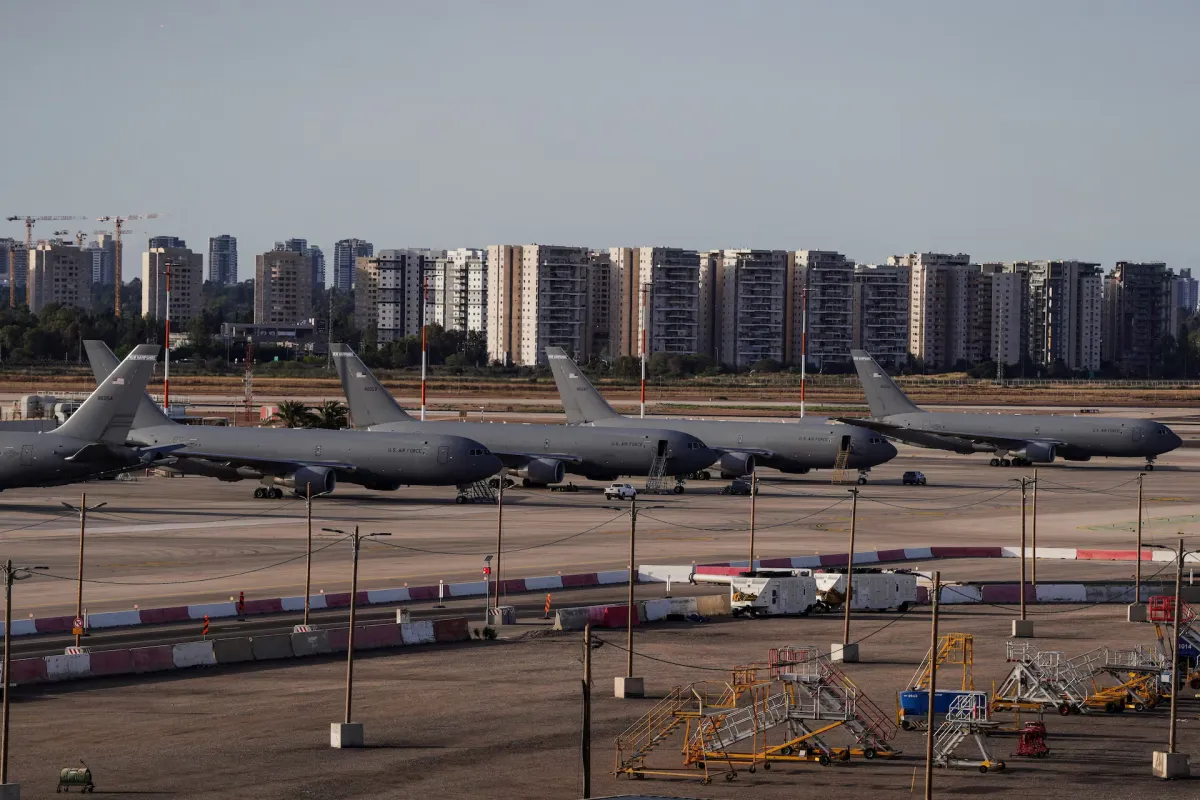
On 20 May, US President Donald Trump told reporters that the United States was prepared to launch further attacks on Tehran should Iran fail to agree to a peace deal.
Speaking at Joint Base Andrews, Trump said the situation was ‘on the brink’ and could escalate rapidly.
“Believe me, if we don’t get the right answers, things will happen very quickly. We are fully prepared,” Trump said.
When asked how long the US was prepared to wait, the president replied that it could be “a few days”, but the situation could change very quickly.
Trump also reiterated that he would not allow Iran to acquire nuclear weapons.
“We are in the final stages regarding Iran. We’ll see what happens next. Either a deal, or we’ll do some things that will be a bit unpleasant,” he said.
Iranian President Masoud Pezeshkian stated that Tehran remains open to negotiations, but described attempts to force Iran to capitulate through pressure as an illusion.
The Islamic Revolutionary Guard Corps warned that if attacks against Iran were repeated, “the promised regional war would go beyond the region”.
Iranian Foreign Ministry spokesman Esmail Baghai stated that Tehran is conducting negotiations “seriously and in good faith”, but has “reasonable suspicions” regarding US actions.
The report notes that Pakistan, which previously hosted the only round of peace talks between the parties, continues to act as a mediator in the exchange of messages between Washington and Tehran.
According to Reuters, Iran submitted a new proposal to the US this week regarding the resolution of the conflict. It contains demands regarding control of the Strait of Hormuz, compensation for war damages, the lifting of sanctions, the unfreezing of assets and the withdrawal of US troops.
Following the start of US-Israeli strikes on 28 February, Iran significantly restricted the movement of vessels through the Strait of Hormuz. On 20 May, Tehran published a map of a ‘controlled maritime zone’ and stated that passage through the strait now requires permission from a special authority.
On the same day, two Chinese supertankers carrying approximately 4 million barrels of oil passed through the Strait of Hormuz. Iran had previously announced an easing of restrictions for Chinese vessels.
According to Lloyd’s List, at least 54 vessels passed through the strait last week. Before the conflict began, this figure stood at around 140 vessels per day. Rising energy prices are increasing political pressure on the Trump administration ahead of the US congressional elections.