In Belgorod, electricity, heating and water disappeared after a missile strike

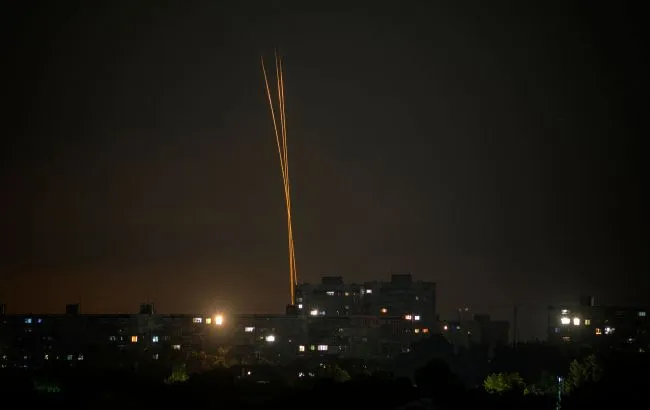
On the evening of 3 February, a large-scale blackout occurred in the Russian city of Belgorod and the Belgorod district after a missile strike. The ASTRA Telegram channel reports serious damage to infrastructure facilities.
Two key power substations in the Belgorod area were hit. These are the Frunzenskaya substation near the village of Dragunskoye and the Belgorod city substation. After that, the power went out partially or completely in at least nine municipalities in the region.
In Belgorod itself, there were problems not only with electricity supply, but also with heat and water. Heating was turned off in a number of buildings, and water supply was cut off, particularly in the central part of the city. According to the regional water utility, the power outage affected all city water intakes, the pumping station that supplies the Kharkiv Mountain area, and some of the water drainage facilities. Disruptions were also reported in Shebekino, Maslova Pristan, Grafovka, Rakityansky, Krasnoyaruzhsky, and parts of Yakovlevsky districts.
With temperatures dropping to minus 22 degrees, queues have formed at petrol stations in the city, with residents buying fuel for generators. There are also reports of communication disruptions, particularly with the mobile operator Megafon. Before the strike, a missile threat was announced in the region, and residents heard a series of explosions.
The events in Belgorod took place against the backdrop of renewed massive strikes on energy infrastructure on both sides. On the night of 2 February, Russia resumed attacks on Ukrainian energy facilities, effectively breaking the so-called energy truce previously announced by US President Donald Trump. On the night of 3 February, Russia launched a combined strike on Ukraine, using more than 70 missiles and about 450 drones, focusing its attacks on energy facilities in the northern, eastern and central regions during a period of severe frost.