Ukraine has denied Russia the opportunity to profit from the global energy crisis — ISW

This is stated in the ISW report.
Strikes on oil infrastructure are having an effect
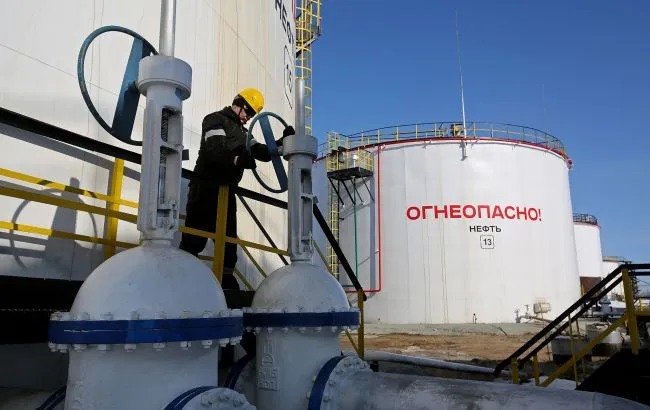
Since March 2026, Ukraine has significantly increased the frequency, range and intensity of strikes on Russia’s oil infrastructure.
According to ISW estimates, this has had a disproportionate impact on Russian oil exports and refining capacity, undermining Moscow’s ability to profit from rising global prices.
“Sustained strikes on oil infrastructure will continue to negatively impact Russian revenues and prevent Russia from reaping any long-term benefits from the current rise in oil prices,” analysts predict.
Russia’s own economic policy is taking its toll
An additional factor is the Kremlin’s own suboptimal economic policy. The VAT hike in January 2026 is already having a knock-on effect: the shadow economy is growing, goods and services are becoming more expensive, and the desired tax revenues are not materialising.
Russia’s Minister of Economic Development, Maxim Reshetnikov, has acknowledged that the government has revised its GDP growth forecasts – due to labour shortages and “external conditions”: sanctions and the war in the Middle East.
Economic pressure on Russia is mounting from several fronts. The proportion of non-performing assets in the Russian banking system has reached a critical level, and signs of a systemic crisis are already being observed in the sector.
The ISW has exposed the Kremlin’s lies about the economy – the real figures point to major budgetary problems and rising costs due to the war.
Meanwhile, Lithuanian Foreign Minister Budrys has reminded us that NATO has the means to raze Russian bases in Kaliningrad to the ground, and that the Kremlin naively considers this region to be its impregnable stronghold.
Follow us on Telegram