Ukraine is strengthening its air defences using AI and interceptor drones

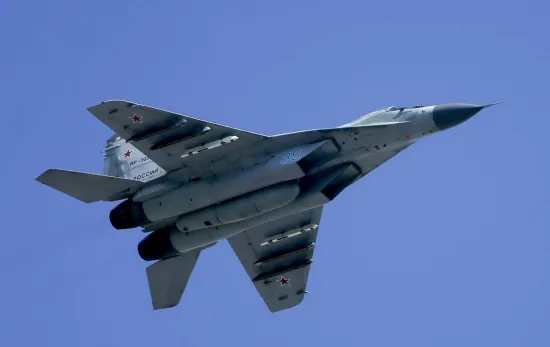
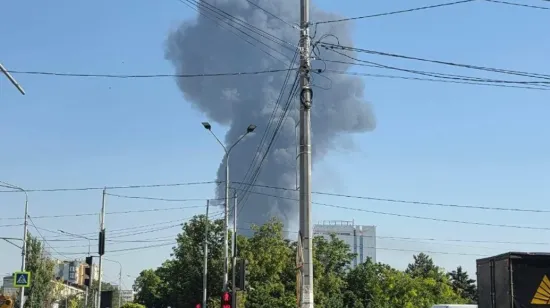
Last week, Russia launched its largest sustained air attack since the start of the full-scale war. Over a 48-hour period, Russia fired 1,500 drones and 56 missiles at Ukraine.
President Volodymyr Zelenskyy stated that Ukrainian air defences were able to intercept 94% of long-range drones and 73% of missiles. By comparison, in May 2025, Ukrainian forces shot down 55% of Russian drones.
Yuriy Myronenko, an inspector with the General Inspectorate of the Ministry of Defence of Ukraine, stated that Ukraine has become one of the most effective countries in the field of air defence.
“We are, unfortunately, the best in the world right now,” he said.
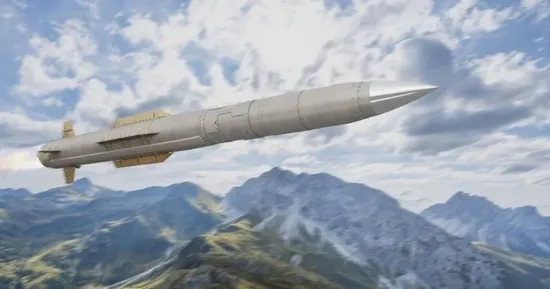
At the same time, Myronenko noted that shooting down Russian ballistic missiles is “not so simple”.
At the start of the full-scale war, Ukraine used mainly Soviet-era air defence systems. Subsequently, Western partners supplied modern systems, including the Patriot.
In parallel, Ukraine is developing its own technologies. These include mobile fire groups equipped with large-calibre machine guns and mass-produced, low-cost interceptor drones.
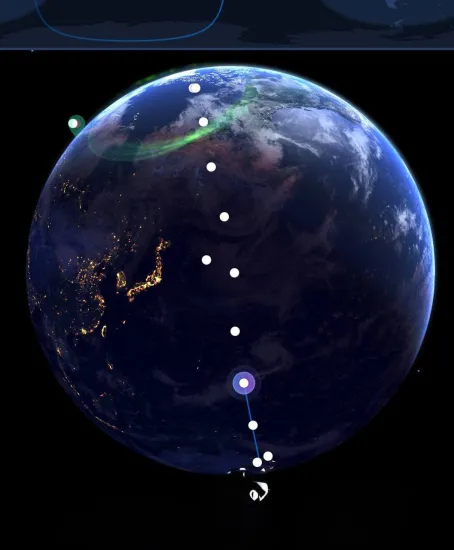
The Sky Map system plays a key role in Ukraine’s air defence operations. It uses radars, thousands of sensors, video feeds and artificial intelligence to detect aerial targets.
Initially, to detect drones, Ukraine used mobile phones mounted on poles, which recorded the sound of the drones. The system now operates with more advanced sensors.
According to the BBC, the Sky Map system is also used by the US to protect one of its bases in the Middle East.
Cheap interceptor drones have become one of the main tools in the fight against Russian drones.
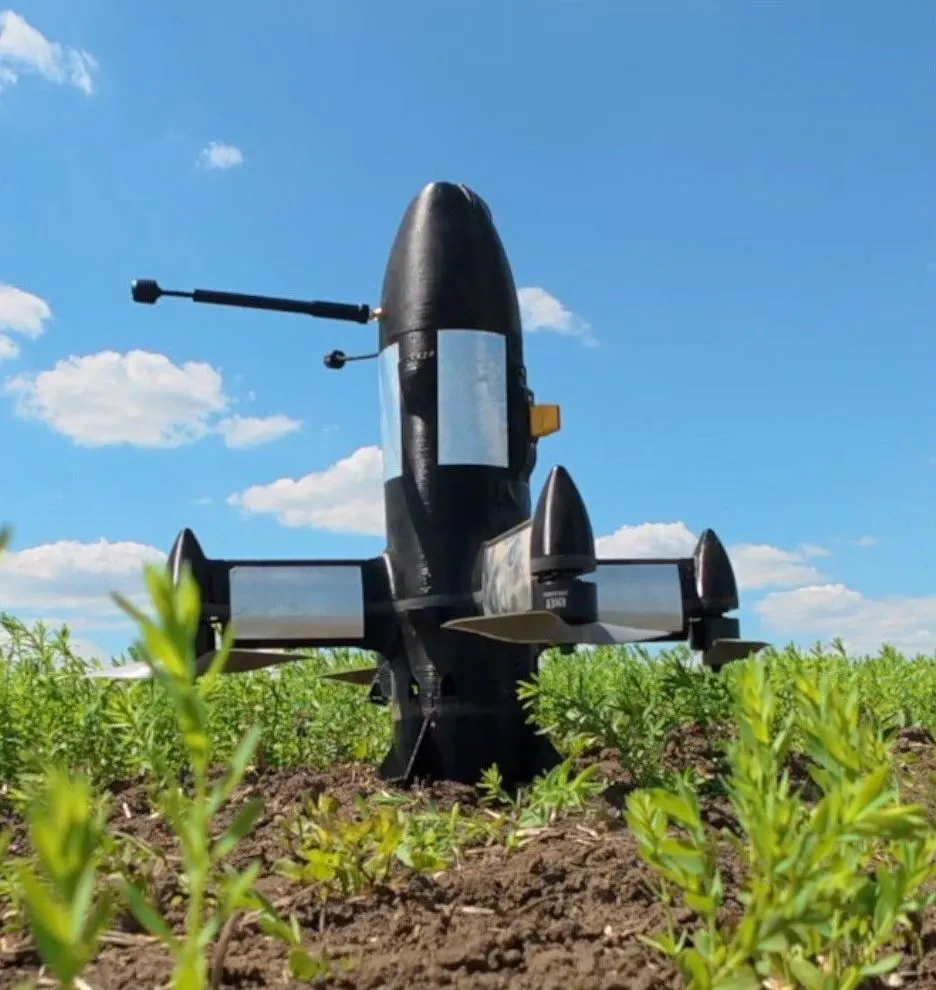
These devices are shaped like large spheres and equipped with four rotors. Ukraine produces over 1,000 such drones every day.
According to the Air Force, in March this year they destroyed over 30,000 Russian drones.
Near Kherson, the marines demonstrated the P1-SUN interceptor in action. Its speed exceeds 300 km/h, and its range is over 30 km.
The unit commander, call sign Welkos, described the drone as a “very serious weapon”.
“This shows how quickly we can adapt, hold the line and develop,” he said.
The drone is 3D-printed. It costs around $1,000, which is significantly cheaper than Russian Shahed drones, which cost approximately $50,000.
Private companies are also joining the air defence system.
According to Yuriy Myronenko, 25 companies have already joined the initiative. They are helping to protect businesses and infrastructure from Russian attacks.
Carmine Sky has set up a network of towers equipped with remotely controlled machine guns in the Kharkiv region.
In an underground command post, operators track targets via the Sky Map system. The operators include civilians, veterans, mothers and taxi drivers who have undergone vetting and training.
A company representative, Ruslan, said that operating the systems is like playing a computer game.
“It’s like an Xbox or PlayStation,” he said.
He also noted that private companies are working in coordination with the military and can scale up such solutions faster than the public sector.
Ukraine has also stepped up strikes on Russian territory. Recent attacks have caused large-scale fires at Russian oil refineries and reached St Petersburg and Moscow.
The BBC notes that, due to fears of Ukrainian attacks, the Kremlin has scaled back the Victory Day parade in May.
Against this backdrop, both sides are trying to deploy new technologies more quickly. Russia has begun using high-speed jet drones and decoy drones to detect Ukrainian air defences.
Despite technological advances, Ukraine still faces a shortage of modern air defence systems and interceptor missiles. To counter Russian ballistic missiles, Ukraine continues to require American Patriot systems. FPV drones, which both sides are actively using on the front line, also remain a serious problem.
The BBC notes that even with the technological development of the network above the roads, rifles and shotguns remain the last line of defence.
President Volodymyr Zelenskyy has previously stated that Russia’s massive attacks are aimed at overwhelming Ukraine’s air defence.