Ukrainian drones are holding back the Russian advance and changing the situation on the front line

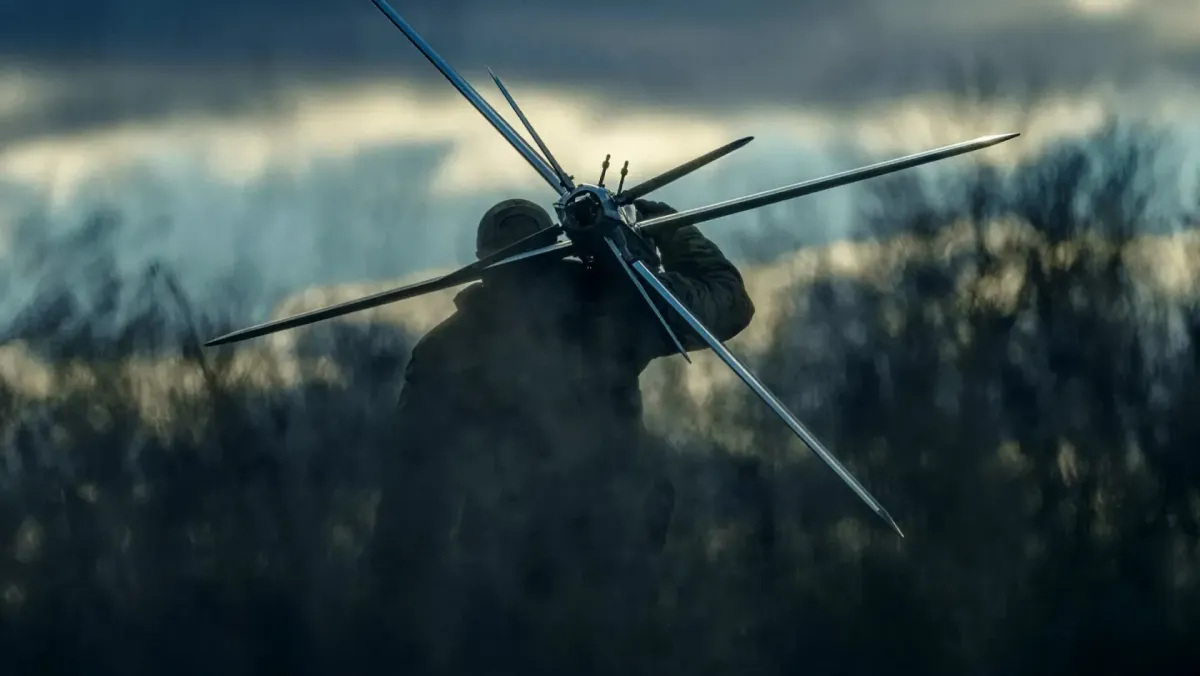
Ukrainian troops on the front line continue to face ammunition shortages, a lack of rest time and logistical challenges. At the same time, units report that the situation has improved compared to the period of the Russian winter offensive, according to the Washington Times.
Igor, a drone pilot with the 423rd Separate Unmanned Systems Battalion, said that the front no longer looks as one-sided as it did a few months ago.
According to Andriy Hrytsenyuk, head of the Ukrainian defence technology cluster Brave1, a so-called ‘strike zone’ has formed around the front line, where, due to the widespread use of drones, military vehicles can no longer move effectively.
He noted that previously such a zone was estimated to extend approximately 20 kilometres behind the front line, but it is now expanding due to Ukraine’s more active use of medium-range strike drones.
Fighting in Zaporizhzhia and Donetsk regions
In the Zaporizhzhia region, Russian troops are attempting to advance near Huliaipole. Vitalii Gersak, commander of the 423rd Separate Unmanned Systems Battalion, stated that the Russian army is using the terrain and spring vegetation to move infantry on foot, on motorbikes and on quad bikes.
According to him, Ukrainian units have prepared these routes in advance and are monitoring the enemy’s movements.
Kostiantynivka in the Donetsk region remains one of the key areas. For several months, Russian troops have been attempting to advance towards the town, which forms part of Ukraine’s ‘belt of fortresses’.
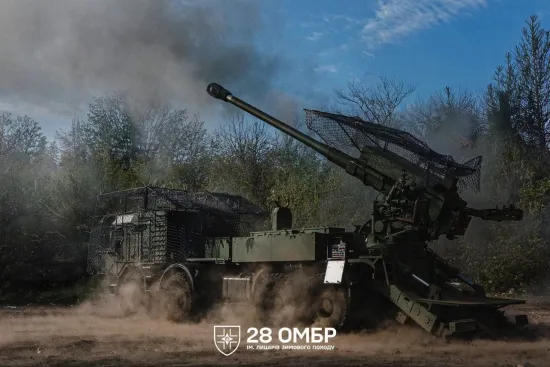
Despite intense pressure, the Ukrainian military say the situation remains under control. A drone operator from the 28th Brigade, with the call sign ‘Gorb’, reported that his unit continues to operate from the same positions it held back in September last year.
Russian army casualties and tactics
The Ukrainian Ministry of Defence reported that in April alone, Russian troops suffered over 35,200 casualties, including those killed and seriously wounded. The data is based on the Army of Drones Bonus programme, which records casualties using battlefield video footage.
Meanwhile, in its January report, the Centre for Strategic and International Studies estimated Russia’s total losses from February 2022 to December 2025 at nearly 1.2 million personnel, including those killed, wounded and missing in action.
Despite these losses, the Russian army continues its assaults in the Donetsk region and other areas. According to the Ukrainian Ministry of Defence, 5,085 combat engagements, nearly 7,000 guided air strikes and over 96,000 artillery strikes were recorded on the front line in April.
The role of drones in the war
Ukrainian military personnel and defence technology developers state that drones have become a key element of the modern battlefield.
Vitaliy Gersak noted that at the start of the full-scale invasion, tanks and armoured vehicles posed the greatest threat, but now Ukrainian units are quickly destroying such equipment as soon as it enters the drones’ operational zone.
Andriy Hrytsenyuk stated that over 80% of strikes on the front line are now carried out by drones. According to him, the war has changed not only technologically but also at the level of the doctrine of warfare itself.
The Ukrainian Ministry of Defence is developing the ‘Drone Line’ project, which aims to scale up the most effective drone units. The project includes the ‘Ptaki Madyara’, K-2, Achilles, Rarog, Nemesis and Phoenix units.
The Ministry of Defence reported that the “Drone Line” units have already been given the ability to order equipment directly via the DOT-Chain Defense platform. In less than two weeks, equipment worth 184.8 million hryvnias was ordered.
Artificial intelligence and new technologies
The Ministry of Defence of Ukraine has stated that over 200 Ukrainian companies are developing drones with artificial intelligence, and over 300 AI-related systems are registered on the Brave1 platform.
In addition, over 70 artificial intelligence and computer vision systems are already being used directly on the front line.
According to Hrytsenyuk, fibre-optic drones are immune to electronic warfare, and autonomous guidance allows the drones to operate even in challenging conditions.
Supply issues
Despite technological advances, the Ukrainian military reports a shortage of equipment and resources.
Vitaliy Gersak reported that his battalion receives only part of the necessary equipment through official channels. The rest is provided by volunteers, partners and personal contacts.
According to him, the unit’s monthly state funding amounts to around 7 million hryvnias, which is only enough to purchase a few dozen Mavic drones.
Anticipation of a new offensive
The Ukrainian military also acknowledges the possibility of a new large-scale Russian offensive this summer. At the same time, the units state they are ready for such an eventuality.
Vitaliy Gersak noted that Ukrainian forces are not only holding their defences but are also considering the possibility of a gradual advance in certain sections of the front.
According to the military, Russian troops are continuing their offensive operations, but the cost of every advance is constantly rising for them.