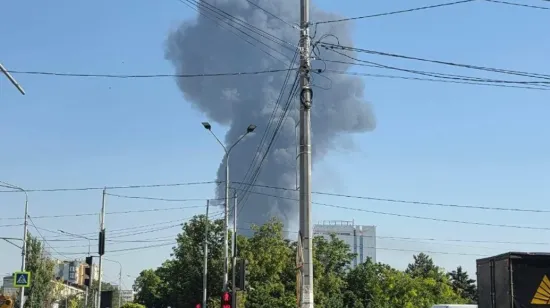
Ukrainian intelligence warns of a possible mobilisation in Russia following the State Duma elections

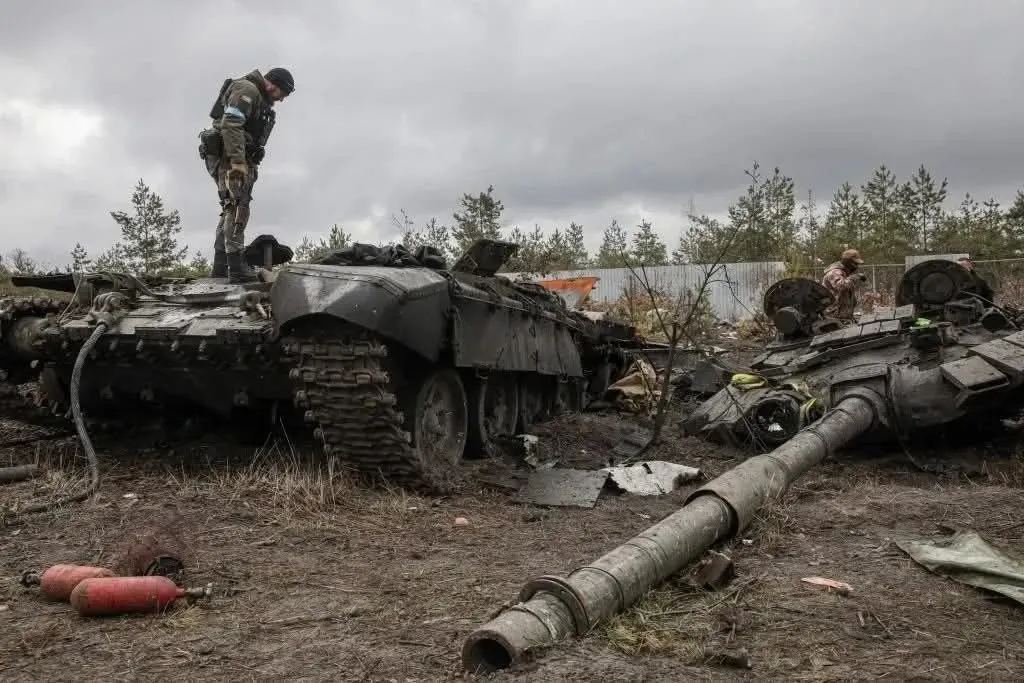
Following the Russian State Duma elections, scheduled for 18–20 September, the Kremlin may announce a new wave of mobilisation. Ukrainian President Volodymyr Zelenskyy, representatives of Ukrainian intelligence and other officials have previously raised the possibility of this.
Back in the spring, Volodymyr Zelenskyy suggested that restrictions on access to social media in Russia could be part of preparations for a larger-scale mobilisation. In mid-July, he reiterated that the Kremlin might step up mobilisation measures after the elections.
The Main Intelligence Directorate of the Ukrainian Ministry of Defence states that, until the end of the election campaign, the Russian authorities will avoid the topic of mobilisation as much as possible. At the same time, according to Ukrainian intelligence assessments, Russia already has sufficient training capacity to prepare conscripts, so no new centres are currently being established.
Andriy Kovalenko, head of the Centre for Countering Disinformation at the National Security and Defence Council, has reported that Russia may be preparing to mobilise up to 500,000 people this autumn. According to him, some of those mobilised may be sent to the front within the first two weeks, whilst others may be trained for around a month in preparation for the possible opening of a new front.
According to Ukrainian officials, potential threats under consideration include both the continuation of hostilities against Ukraine and risks to NATO’s eastern flank. At the same time, the Main Intelligence Directorate notes that there are currently no signs of a Russian strike force being formed on Belarusian territory, although the redeployment of troops there is possible within a few weeks.
The report also notes that in recent months, military registration and enlistment offices in Russia have been more actively summoning citizens, ostensibly to update their military records, and issuing mobilisation orders. Furthermore, such documents are being sent centrally to enterprises.
Earlier, Dmitry Medvedev, Deputy Chairman of the Russian Federation’s Security Council, stated that there was no need for a new wave of mobilisation, as more than 80,000 people had signed contracts for military service since the start of 2026. At the same time, according to estimates by Ukrainian and Western analysts, the rate of recruitment of contract soldiers has fallen by approximately 20 per cent this year.
The first wave of the so-called partial mobilisation was announced in September 2022. At that time, Russia announced the mobilisation of 300,000 people, and a significant number of citizens left the country.
According to estimates by the US-based Centre for Strategic and International Studies (CSIS), Russian military losses since February 2022 could have reached 1.4 million, including up to 450,000 killed. Furthermore, according to the centre, monthly losses exceed the rate at which new contract soldiers are being recruited.
Representatives of the Baltic states believe that a general mobilisation could pose a serious challenge to Russia’s internal stability. At the same time, Western analysts note that the Kremlin continues to retain significant capacity for coercion and control within the country.