On 8 May, Ukraine marks Remembrance Day and Victory over Nazism

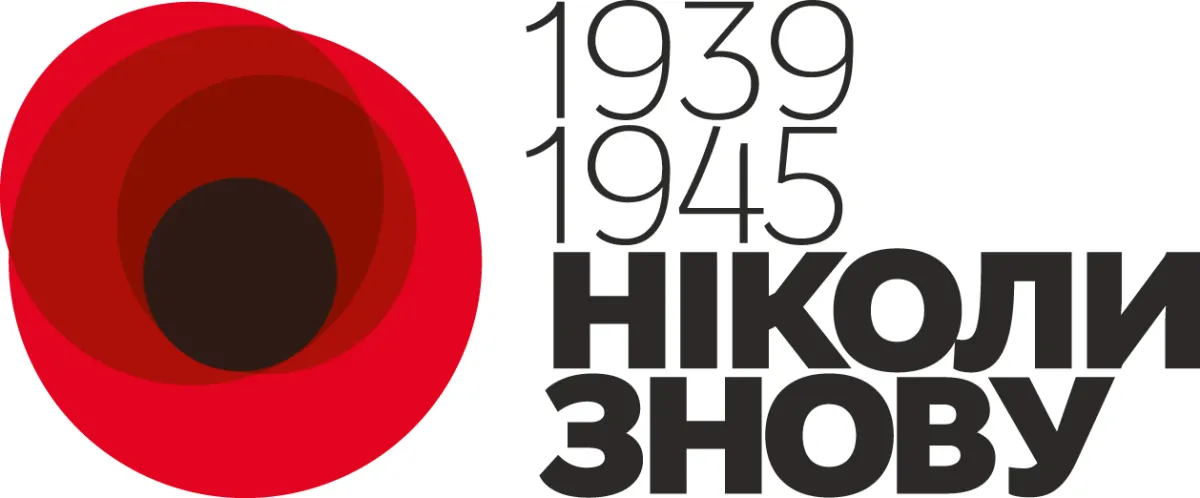
Remembrance and Victory Day was established by Ukrainian law in 2023 as a sign of solidarity with the European tradition of honouring the victims of the Second World War. The red poppy serves as a symbol of remembrance and is used during public events.
This day is seen as a reminder of the war as a tragedy that claimed millions of lives and ruined countless destinies. In Ukrainian society, it has become established as a day of remembrance rather than celebration, with an emphasis on the human dimension of the events and the role of those who resisted Nazism.
For Ukraine, the Second World War began on 1 September 1939 with Nazi Germany’s invasion of Poland and the bombing of Lviv and other cities. From 22 June 1941, following the invasion of the USSR by German and allied forces, the whole of Ukraine became a theatre of war.
During the war, around 7 million people were conscripted from Ukraine into the Red Army. Half of them died, and a significant proportion of those who survived were left disabled.
The events of 1939–1945 were the result of agreements between the two totalitarian regimes in Germany and the USSR, as well as the inaction of the world’s leading powers in countering the aggressors. Both regimes committed numerous crimes against humanity, war crimes and crimes of genocide on Ukrainian soil, leading to heavy losses among the Ukrainian, Jewish, Crimean Tatar and other peoples.
At the start of the war, Ukrainians did not have their own state and were divided among different countries. Ukrainian lands were viewed as a resource, and the desire for independence was exploited for political ends.
During the war, Ukrainians made a significant contribution to the victory over Nazism. They fought in the various armies of the Anti-Hitler Coalition, and were active in the underground and in resistance movements. Ukrainian territory became one of the key theatres of war.
After the expulsion of the Nazi occupiers, Ukraine did not gain its freedom. The Soviet regime was restored, accompanied by repression, deportations, artificial famine and the persecution of religious institutions.
In this war, Ukraine lost over eight million people. Total human losses worldwide are estimated at between 50 and 85 million.
The victory over Nazism was the result of the efforts of many states and peoples. After the war, the United Nations was established, with Ukraine as one of its founding members.
It is important to remember the war as a warning against new conflicts and as a foundation for preserving peace.