Ukrainian intelligence struck a drone attack on the oil refinery in Bashkortostan

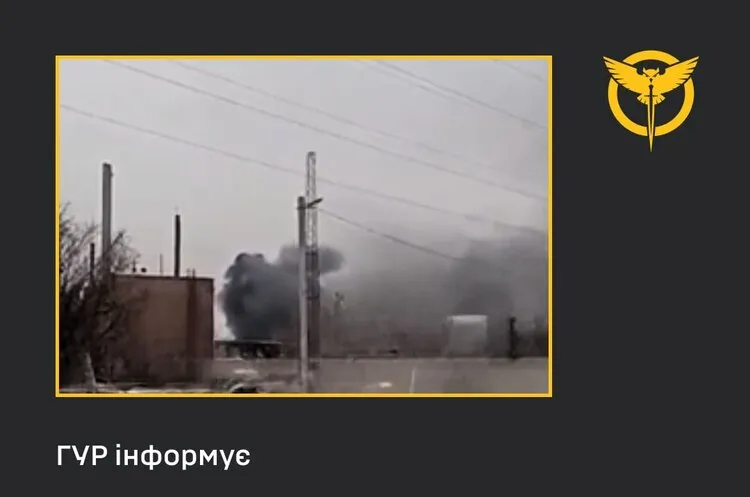
Ukrainian intelligence, using long-range drones, struck one of Russia's key petrochemical enterprises on November 6 — the Sterlitamak Oil Refinery in the Republic of Bashkortostan. As a result, a fire broke out in the shop producing agidol — an additive for aviation fuel.
The operation was confirmed by the Main Intelligence Directorate of the Ministry of Defense, noting that this plant is among the strategic facilities for the Russian military-industrial complex and produces products such as ionol, aviation gasoline, and synthetic polymers. "...as a result of the strike... a fire broke out on the territory of the agidol production shop."
According to intelligence, the plant is "one of the key enterprises of the Russian petrochemical industry." The report clarifies that the facility actively serves the needs of the Russian Armed Forces and the military-industrial complex. Debris from drones and the aftermath of the fire are currently being clarified.
Unofficial reports indicate that the operation was carried out using long-range drones capable of penetrating deep into Russian territory — into Bashkortostan. This is another example of enhancing Ukrainian reconnaissance capabilities to target infrastructure objects on the enemy's territory.
The actual damage to the plant, production stoppages, or personnel evacuation has not yet been officially confirmed. At the same time, such a strike has not only tactical but also strategic significance: it undermines logistics and the production potential that supplies the aggressor's army.
Military analysts note that the focus on the petrochemical industry is part of a broader asymmetric strike tactic aimed at disrupting the enemy's resource base. Ukraine thus demonstrates the ability to operate at greater depths and expands the range of strike technologies.