Ukrainian drones are hitting targets deep inside Russia, over 1,500 kilometres away

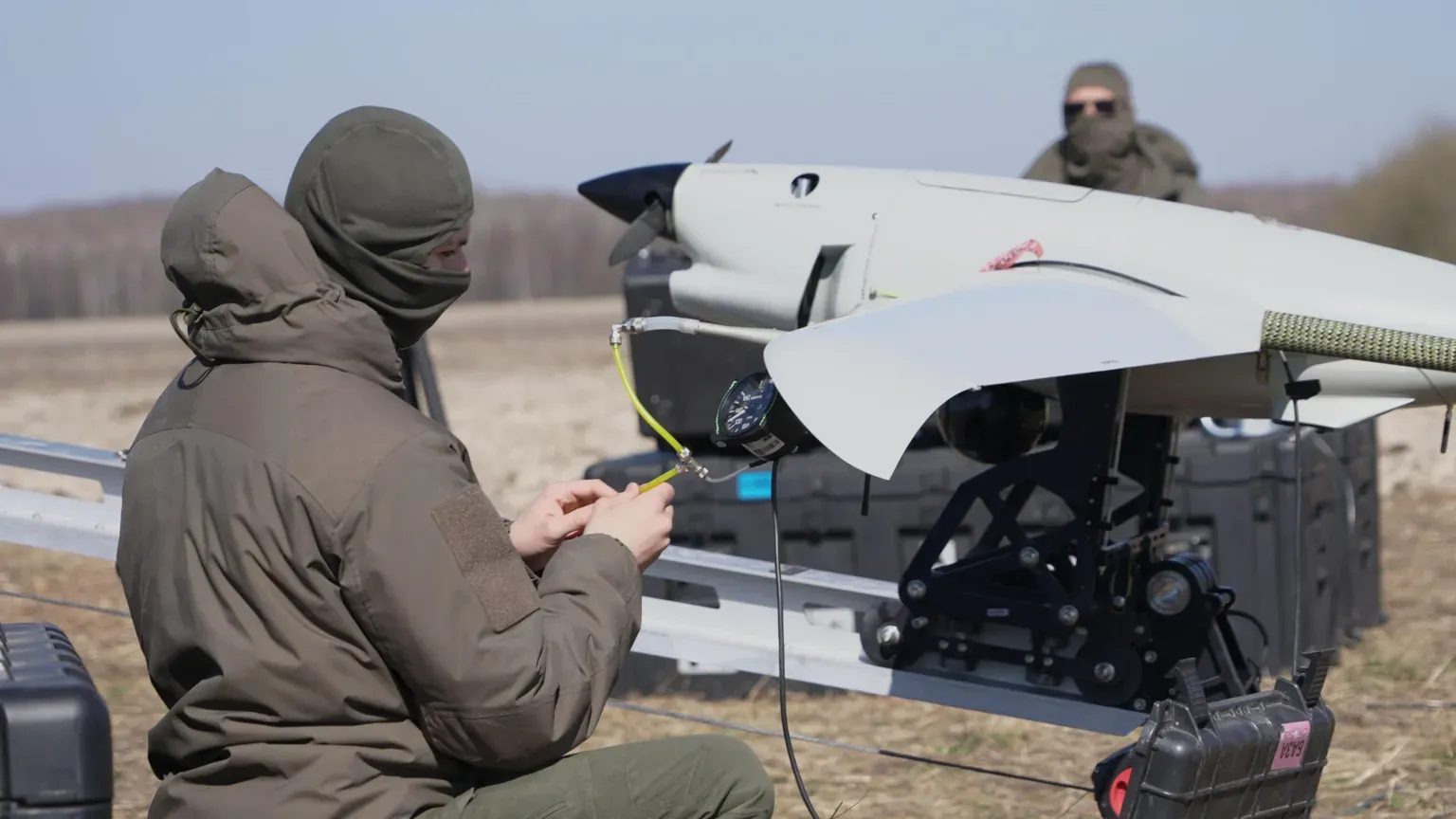
Ukrainian drones are regularly hitting targets deep inside Russian territory, a considerable distance from the border. Strikes have been recorded in areas of the Ural Mountains and in cities where the war was previously seen as a distant conflict, according to Bloomberg.
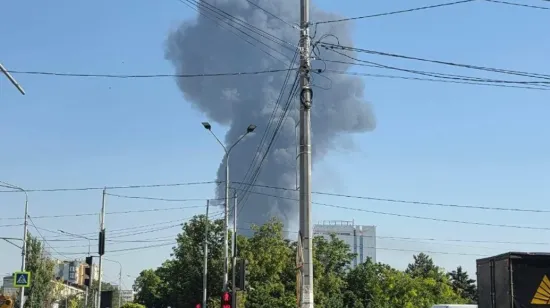
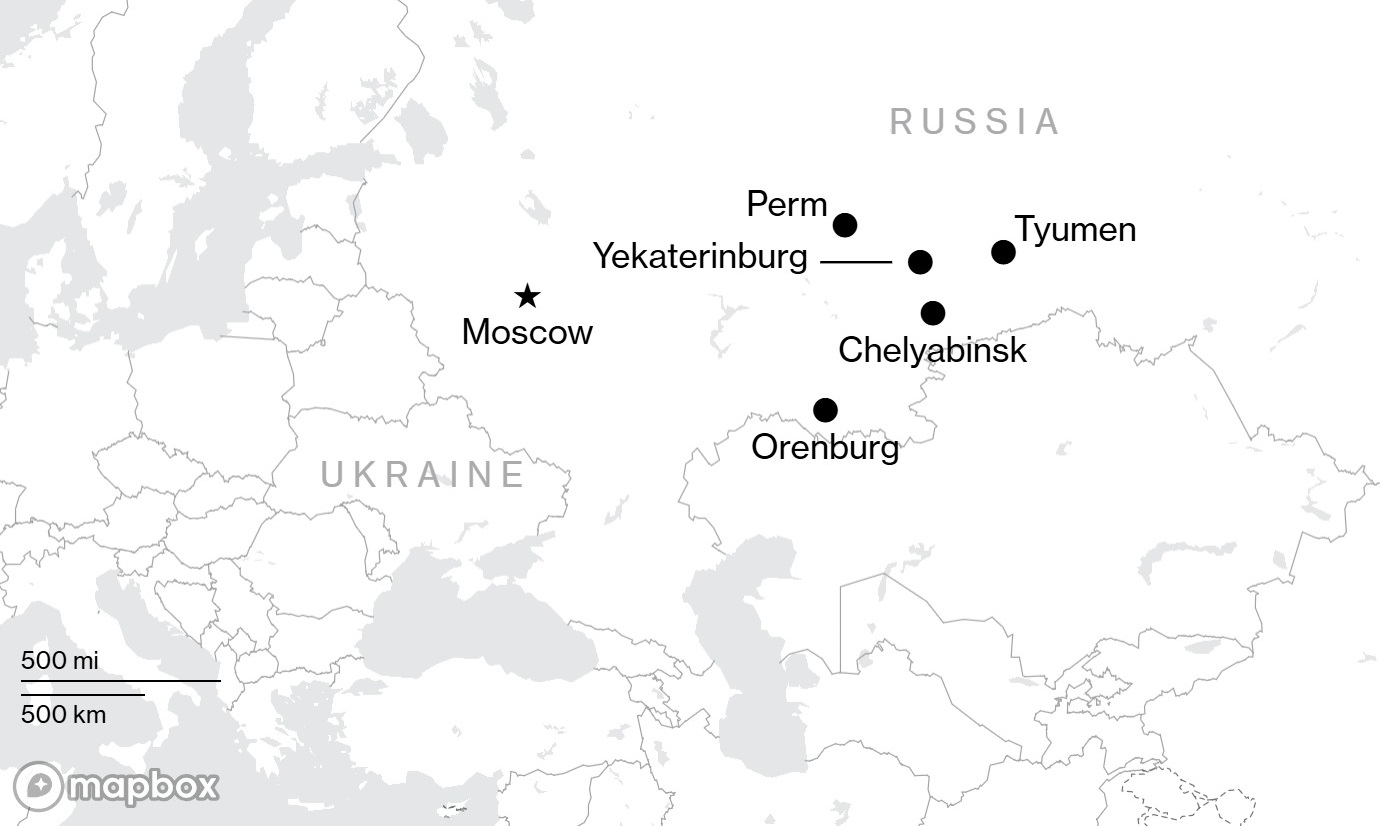
On 25 April, a drone struck a high-rise residential block in Yekaterinburg, a city with a population of over 1.5 million. This is the first instance of damage in the city since the start of the full-scale invasion in 2022. Since early April, operations at the local airport have been temporarily suspended five times due to the threat of attacks.
“It came as a shock. Although no one was killed, people realised that the city is no longer deep in the rear,” said Vladimir, a 35-year-old entrepreneur living in Yekaterinburg.
The city is located approximately 1,700 kilometres from the Ukrainian border on the eastern side of the Urals. In Soviet times, it was known as Sverdlovsk and during the Second World War served as a rear base to which factories were relocated.
Until this year, Russia’s aviation regulator, Rosaviatsiya, had not reported any incidents involving drones near the local airport.
Against the backdrop of positional warfare, drones are playing an increasingly significant role. Both sides deploy hundreds of unmanned aerial vehicles daily to strike cities.
Ukraine, in particular, is targeting oil refineries, fertiliser production facilities and ports used for the export of energy resources.
On 29 April, Ukrainian President Volodymyr Zelenskyy stated that the country plans to expand its long-range strikes. According to him, Ukraine already has the capability to strike targets at a distance of over 1,500 kilometres.
This means that approximately a quarter of Russia’s territory, where over 70 per cent of the population lives, is within range.
On the same day that the strike in Yekaterinburg was recorded, Ukrainian forces attacked Su-57 and Su-34 aircraft at the Shagol airbase in the Chelyabinsk region, the General Staff of the Armed Forces of Ukraine reported. The Russian side did not comment on this strike, whilst local authorities reported an attack on an infrastructure facility.
Chelyabinsk is located approximately 1,500–1,700 kilometres from Ukraine, near the border with Kazakhstan, and has a population of around 1.2 million. The city was an important centre of heavy industry during the Soviet era.
Since early April, Chelyabinsk has been a regular target of drone attacks, as evidenced by temporary closures of the local airport.
Last week, drones caused a fire and damaged the primary processing unit at Lukoil PJSC’s Permnefteorgsintez oil refinery in the Perm Krai. The day before, a pumping station near the facility was also hit. Residents reported seeing black smoke in the city.
In 2025, only isolated incidents of drones were recorded in Perm, whereas this year the airport has already been suspended for approximately 15 days.
At the same time, drone strikes previously occurred regularly in the Orenburg region, which is located closer to the Ukrainian border, some 1,200 kilometres away.
Last year, there were also reports of drones appearing in the Tyumen region of Siberia, some 2,000 kilometres from the border, which was the furthest recorded instance.
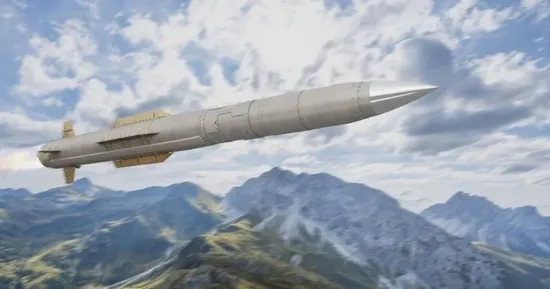
In addition to drones, Ukraine is using domestically produced missiles. President Volodymyr Zelenskyy reported that a strike was carried out overnight on military-industrial complex facilities in Cheboksary using F-5 Flamingo cruise missiles, which travelled over 1,500 kilometres. The Russian Ministry of Defence claimed to have intercepted six such missiles.
Russian presidential spokesperson Dmitry Peskov noted that Vladimir Putin is receiving reports on the attacks and response measures following the incident in Yekaterinburg.
According to media reports, Russia has replaced the head of the Aerospace Forces, appointing Colonel-General Alexander Chaika as the new commander.
Against the backdrop of the attacks, restrictions are being introduced in cities, including the temporary shutdown of mobile and, in some cases, fixed-line internet.
Political analyst Andriy Kolesnikov noted that residents are gradually getting used to the new conditions, but fatigue and irritation are growing.