US strikes on bridges have cut off Bender Abbas and disrupted transport links to the port

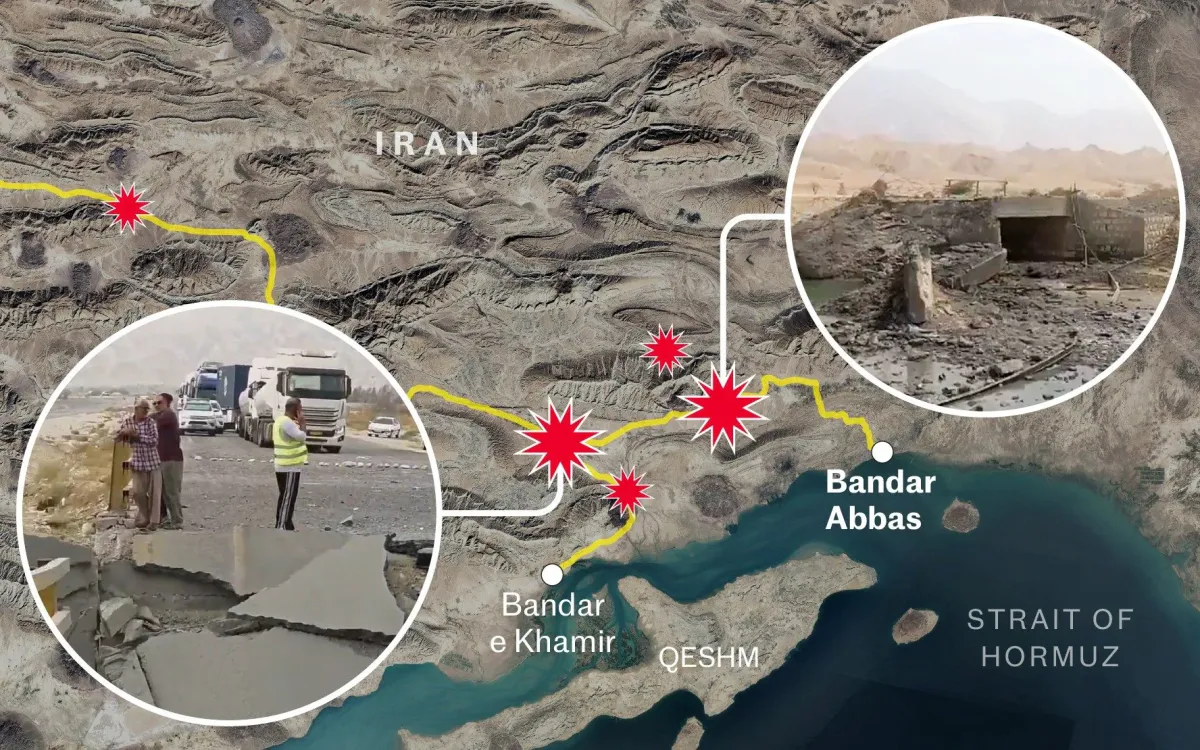
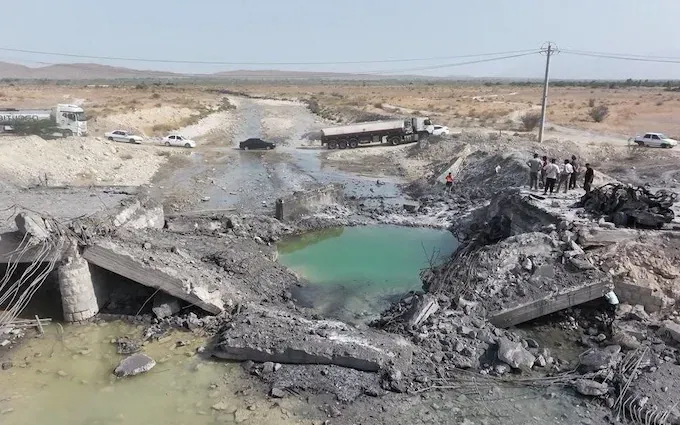
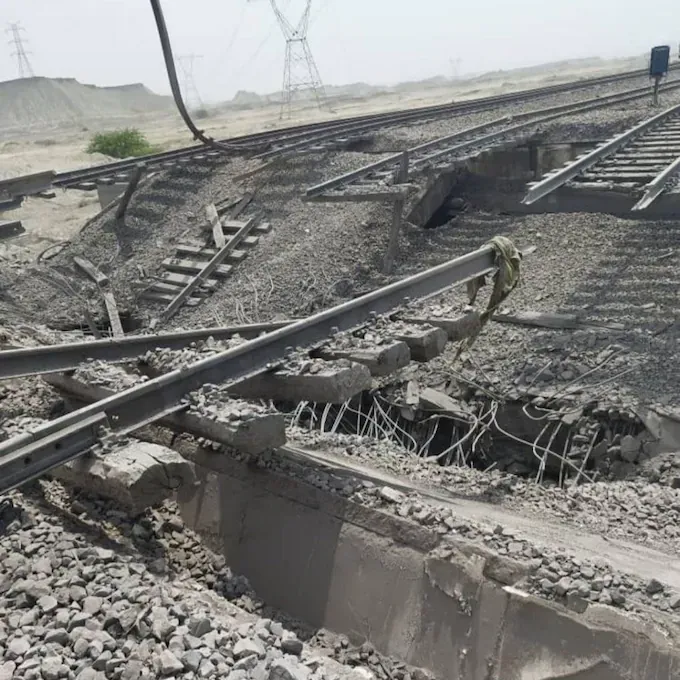
The US military has carried out strikes on transport infrastructure in southern Iran. Bridges and railway facilities linking the port city of Bandar Abbas with other regions of Iran were targeted, according to The Telegraph.
According to local authorities, at least five bridges were damaged overnight, including the Gariveh Bridge on the Bender Abbas– Hamir, Lar, a bridge near the village of Latidan, two bridges on the route to Kahoreestan, a bridge on the Bandar Abbas–Hamir road, Keshar, and a crossing near the village of Maro in Hamir County.
Railway infrastructure was also targeted. According to official figures, the Bender-Abbas railway junction, located approximately ten kilometres west of the city, was damaged. Two people were injured as a result of the attack. Train passengers were evacuated and a bus service was organised.
Local authorities have urged residents not to use the roads unless absolutely necessary, so as not to hinder the work of the emergency services, and to rely solely on official information.
Bandar Abbas is Iran’s largest port on the coast of the Persian Gulf. A significant proportion of the country’s foreign trade, as well as container and transit shipments, passes through the Shahid Rajai Port. The city is also home to Iran’s main naval base.
Former Pentagon official Michael Rubin stated that, in his view, there is a growing tendency in Washington to conclude that isolating Bandar Abbas is a key element in restoring safe shipping through the Strait of Hormuz. He also expressed the view that blocking transport links to the city could prove more effective than repeated strikes on individual targets.
According to the Iranian energy company Tavanir, the power grid in the southern regions of the country has been damaged. Specialists are working to restore it.
Against the backdrop of the fighting, transport links in the Bandar Abbas area have become significantly more difficult. Some road routes have been diverted, but traffic remains restricted.
Mark Kancian, a former US Marine Corps colonel at the Centre for Strategic and International Studies, noted that strikes on transport infrastructure could increase pressure on Iran without directly harming the civilian population. However, he expressed doubt as to how much such a strategy would influence the decisions of the Iranian leadership.
At the same time, strikes on bridges used by the civilian population have once again become the subject of debate regarding the compliance of such actions with the norms of international humanitarian law. The 1949 Geneva Conventions require a distinction to be made between military targets and civilian infrastructure. Some legal experts point out that bridges may be considered legitimate military targets if they are used for more than just civilian purposes.