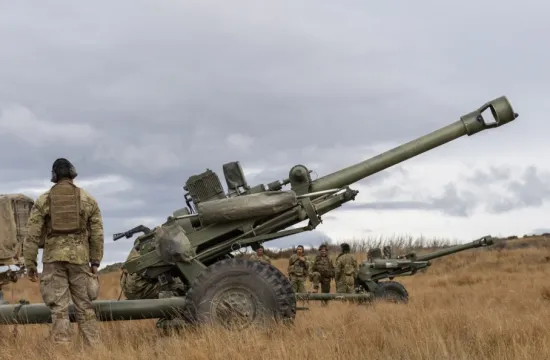
Large-scale military exercises, ‘Spring Storm 2026’, have begun in Estonia

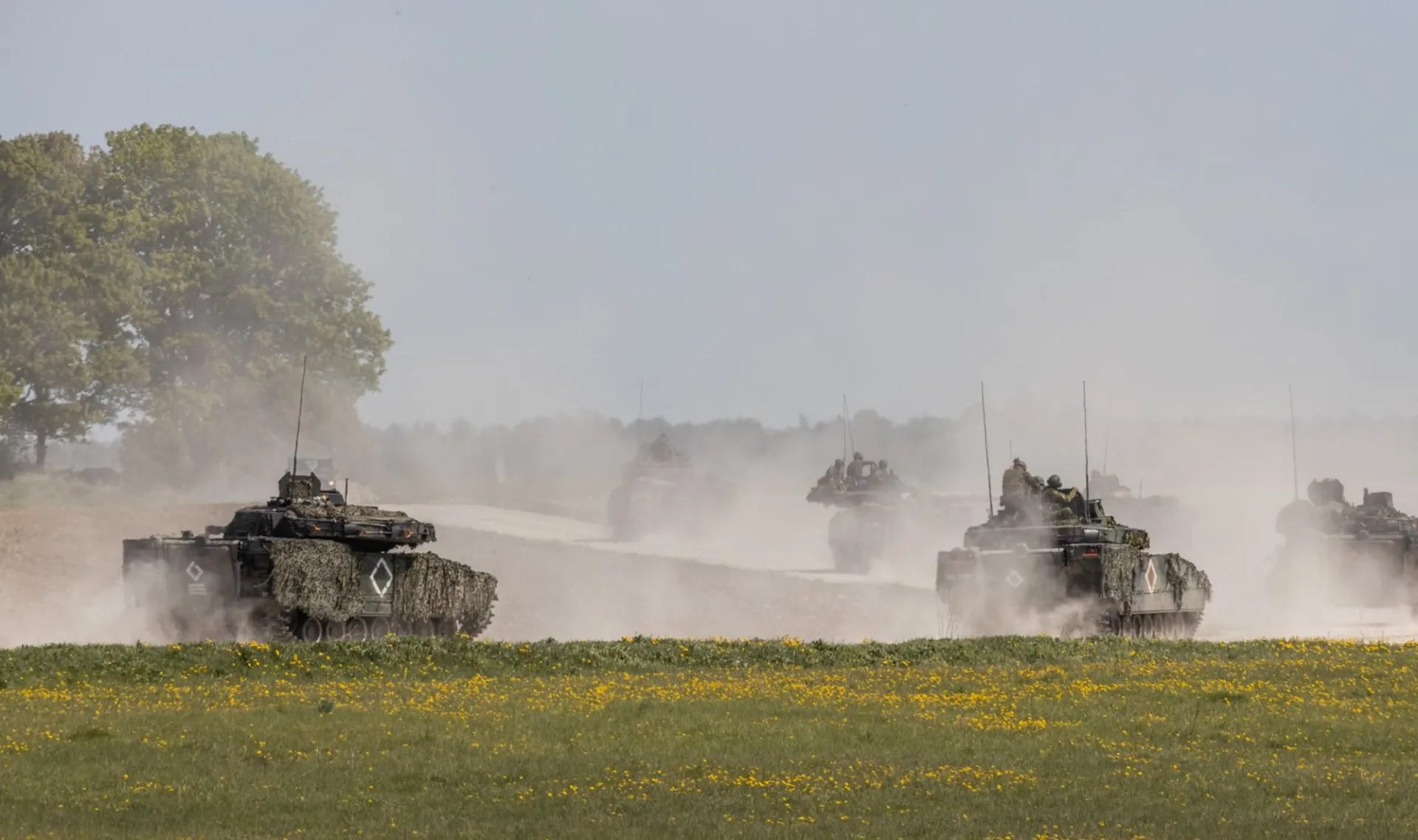
The aim of the exercises is to practise the planning and conduct of defensive operations alongside the Estonian division and allies in a conventional war scenario. Particular attention is being paid to cooperation between Estonian and partner nations’ units, involving various branches of the armed forces and commands, reports Delfi.
The exercises will take place from 4 May to 1 June in the counties of Tartu, Põlva, Viru, Valga and Viljandi, as well as in north-eastern Latvia. Part of the manoeuvres in Latvia is intended to practise joint operations in the border region. Units from Estonia, the UK, France and Latvia are taking part in the combat exercises in Latvia.
The 4th Brigade, which is being redeployed from the UK to Estonia, is also involved in the manoeuvres. The military will practise its rapid deployment, reception and integration into the Estonian division.
The exercise programme includes lessons based on the war launched by Russia against Ukraine. These relate to defensive operations and the use of unmanned systems.
As part of ‘Spring Storm 2026’, the Defence Forces, together with defence industry companies, will test new solutions in conditions close to real-life scenarios. The Future Capabilities and Innovation Command is organising the testing.
The exercises will take place in several stages. The command-staff phase will run from 4 to 9 May. From 10 to 22 May, unit coordination will take place across Estonia, after which training battles will commence in the south-east of the country and the north-east of Latvia. The final stage will take place from 23 May to 1 June, featuring live-fire exercises at the Defence Forces’ Central Training Area.
Blank cartridges, training grenades and signal flares will be used during the exercises. The use of heavy equipment, aircraft and simulation devices may affect noise levels. The Defence Forces recommend keeping noise-sensitive animals indoors and explaining the nature of the events to children.
During the exercises, there will be increased air activity, which will be visible and audible throughout Estonia. Strike aircraft, fighter jets and unmanned aerial vehicles will be deployed.
Before, during and after the exercises, there will be an increase in military convoys on the country’s roads. Convoys typically consist of 10–15 vehicles and travel at speeds of up to 70 km per hour. The main routes have been mapped out for the period from 6 to 16 May, specifically through Paldiski, Jüri, Tartu, Viru, Valga, Ikla and Pärnu.
The organisers note that they are doing everything possible to prevent damage to civilian infrastructure, but it is impossible to completely rule out damage during intensive exercises. Should any damage occur, they advise contacting the civil-military cooperation group.
The exercises are planned and coordinated by the Estonian Division headquarters. Participating units include land, air and naval forces, specifically the 1st and 2nd Infantry Brigades, the Logistics Command, the Cyber Command, and units of the Defence League.
Allied and partner forces are involved in the manoeuvres, including the United Kingdom, Germany, Denmark, Spain, Canada, Latvia, Lithuania, the Netherlands, Poland, Portugal, Romania, the United States, Ukraine, Finland, France, the Czech Republic and Sweden.
‘Spring Storm 2026’ is the largest military exercise of the year in Estonia. It involves career military personnel, conscripts, reservists and representatives of allied nations. The first such exercise took place in 2003; this year’s marks the twentieth in the series.