6 May 2026: what holiday is it today, traditions and taboos

6 May is marked as Infantry Day in the Ukrainian calendar of public holidays. It is an official military holiday established to honour the largest branch of the Armed Forces of Ukraine.
Infantrymen are the first to encounter the enemy in actual combat, the first to launch an assault and the last to leave their positions. That is why their service is of particular importance and deserves high public recognition.
Around the world, 6 May is celebrated as International No Diet Day. Its aim is to remind people of the harm that extreme dietary restrictions can cause to health, as well as to encourage people to accept their bodies and not strive for unhealthy ideals.
Other global and themed dates on this day include Colouring Day, No Homework Day, Dazhbog Day and School Nurse Day.
Church holiday on 6 May
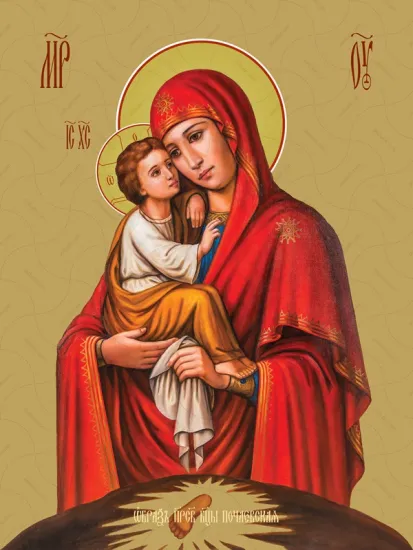
Orthodox believers who have adopted the New Julian calendar honour Saint Job of Pochaiv, abbot of the Pochaiv Lavra, on 6 May.
People turn to the saint with prayers for deliverance from poverty and financial hardship, healing from illness, and protection from evil and enemies.
According to the old calendar, this day marks the feast in honour of Saint George the Victorious. It is known as St George’s Day. People pray to Saint George the Victorious for the well-being and safety of soldiers.
Folk omens for 6 May
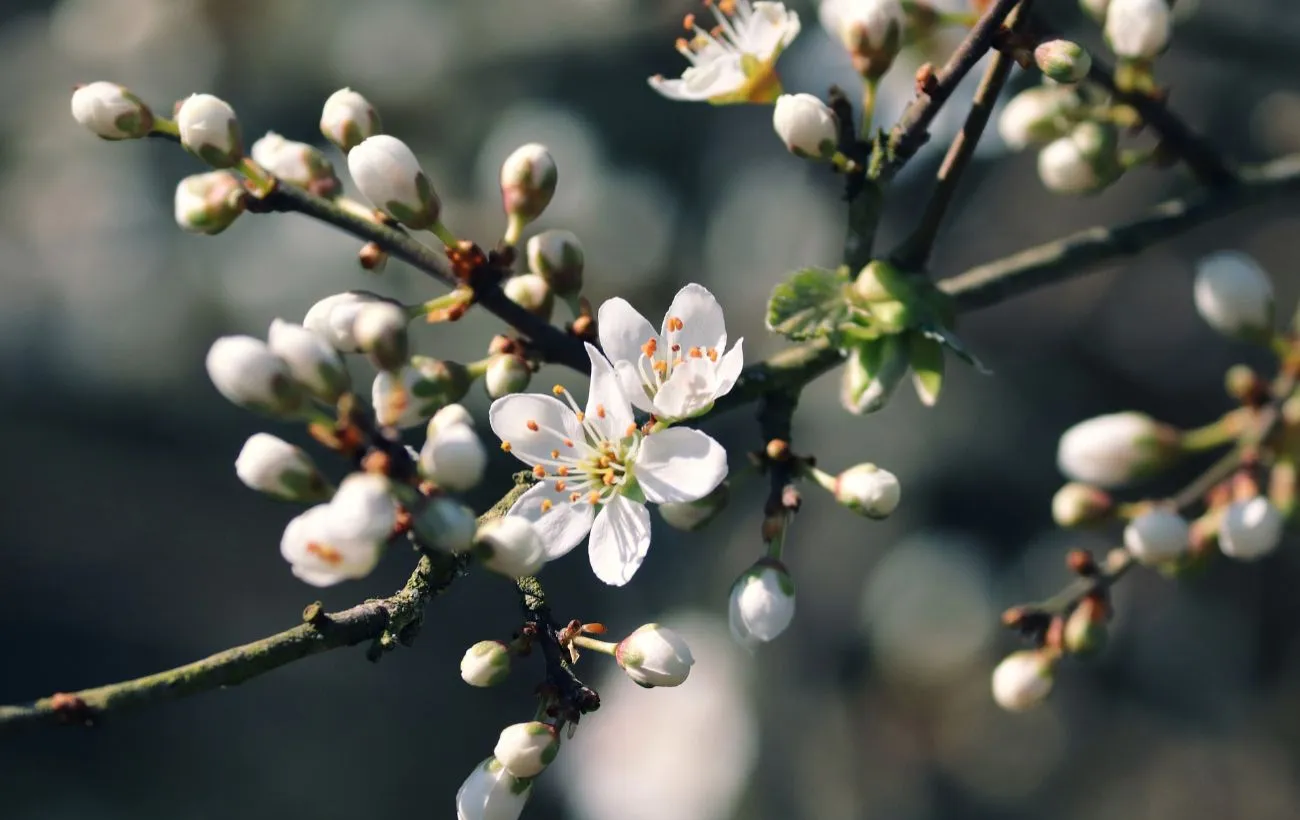
It was believed that from 6 May, the growth of greenery and the flowering of trees become particularly active. People tried to predict the future weather based on the signs of this day.
If swallows arrived, an early summer was expected. If there was no wind, this was seen as a sign of a good grain harvest. If tulips closed in the middle of the day, rain was expected. If there was no dew on the grass, a sudden change in the weather was anticipated.
The folk festival on 6 May in Ukraine was considered auspicious for planting peas and other legumes. To ensure a good harvest, people prayed to Saint Job.
On this day, owners of sheep and goats would take their animals out to graze. It was believed that the earlier this was done, the better it was for the livestock’s health.
Particular importance was attached to the dew. People believed it was good for their health, so they were advised to walk barefoot through it.
What not to do on 6 May
According to folk beliefs, on 6 May one must not chop down trees, pick or trample the grass, shout, make noise or litter in the countryside.
It was also advised not to refuse to help others if one is able to do so. It was believed that otherwise, in a time of need, a person might find themselves without support.
As reported by ThePublic, Should we prepare for abnormal heat or not: what weather to expect in the summer of 2026
Follow us on Telegram