Fuel prices could rise to 100 hryvnias per litre as early as August

This is reported by ThePublic, citing a comment made by Dmytro Lyushkin, founder of the Prime group of companies, to UNIAN.
When fuel prices could rise to 100 hryvnias
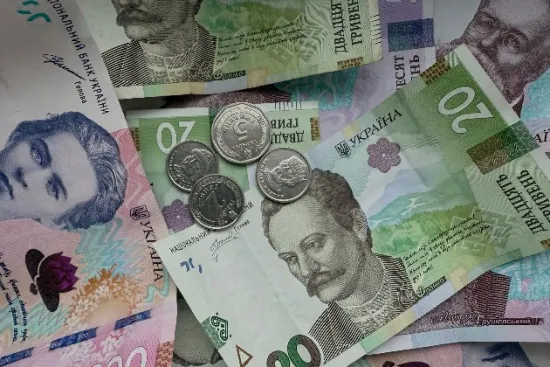
According to Lyushkin’s assessment, large petrol station chains will continue to raise prices by an average of 1.5–2 hryvnias per litre every day. If this trend continues, certain types of petrol and diesel could approach 100 hryvnias in around two weeks.
The expert suggests that at premium petrol station chains, the price could exceed this psychological threshold and reach 102–105 hryvnias per litre. According to his forecast, the state-owned company ‘Ukrnafta’ may maintain a lower price – around 95 hryvnias.
However, the company has not officially confirmed Lyushkin’s suggestion regarding a possible fuel shortage at some of Ukrnafta’s stations.
How much does fuel cost now?
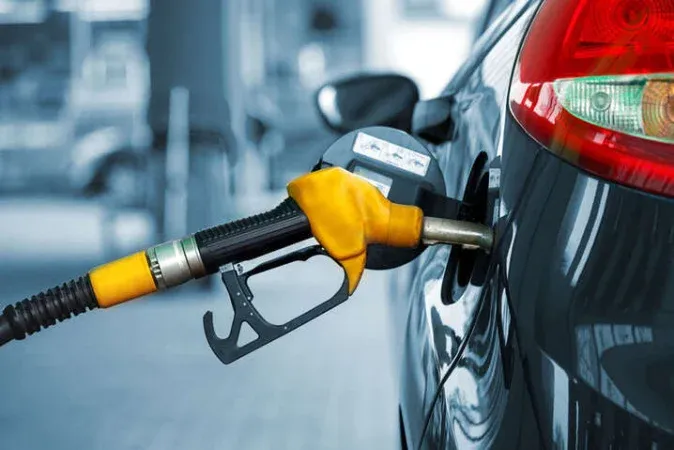
According to data from the ‘A-95’ Consulting Group, published by the ‘Minfin’ portal, as of 22 July, the average price of A-95 petrol in Ukraine stood at 78.40 hryvnias per litre. Premium A-95 cost an average of 82.28 hryvnia, diesel fuel 81.70 hryvnia, and autogas 40.35 hryvnia.
Consequently, a forecast of 100 hryvnias implies a possible price rise for standard A-95 of approximately a further 22 hryvnias, and for diesel fuel of 18 hryvnias per litre. Prices at some petrol stations are already above the average, so premium brands may be the first to approach the forecast threshold.
At the same time, the 100-hryvnia mark will not mean that all fuel at every Ukrainian petrol station will be sold at the same price simultaneously. The cost will depend on the network, region, type of fuel and supply logistics.
Why petrol and diesel are becoming more expensive
Leushkin cites problems with the maritime supply of imported fuel as the main reason for a possible price surge. Previously, large consignments were delivered by tankers to Black Sea ports and then transhipped onto smaller vessels bound for Ukrainian ports on the Danube.
Due to Russian attacks on civilian shipping and rising security risks, this arrangement has become more expensive and complicated. According to the expert, the biggest supply problems have arisen in the south. Imports via the western border are continuing, but they are insufficient to quickly replace all maritime volumes.
Lyoshkin states that the cost of new bulk consignments via the southern and western routes is already approaching 85–90 hryvnias per litre. Once transport, storage and petrol station operating costs are added, the retail price could exceed 100 hryvnias.
Can the government halt the price rise?
The expert suggests that the government will try to prevent prices from rising above the 100-hryvnia mark on a widespread basis. One possible tool could be the state-owned ‘Ukrnafta’, which is capable of maintaining lower prices and thus influencing other market participants.
At the same time, there are currently no official decisions regarding state price regulation or the reinstatement of a maximum trade mark-up. Nor has the government published its own forecast regarding petrol and diesel prices rising to 100 hryvnias.
In early July, Economy Minister Oleksiy Sobolev stated that there is no fuel shortage for the civilian sector and that imported supplies are continuing. Therefore, Lyushkin’s forecast should be viewed as one of several possible market scenarios.
How much will it cost to fill up a car?
If a litre of petrol costs 100 hryvnias, filling a standard 50-litre tank will cost 5,000 hryvnias.
At the current average price of 78.40 hryvnias for A-95, filling such a tank currently costs around 3,920 hryvnias. Therefore, if this forecast comes true, a single full tank will cost approximately 1,080 hryvnias more.
Follow us on Telegram.