The Baltic states are preparing a protest against Russia’s participation in the Venice Biennale

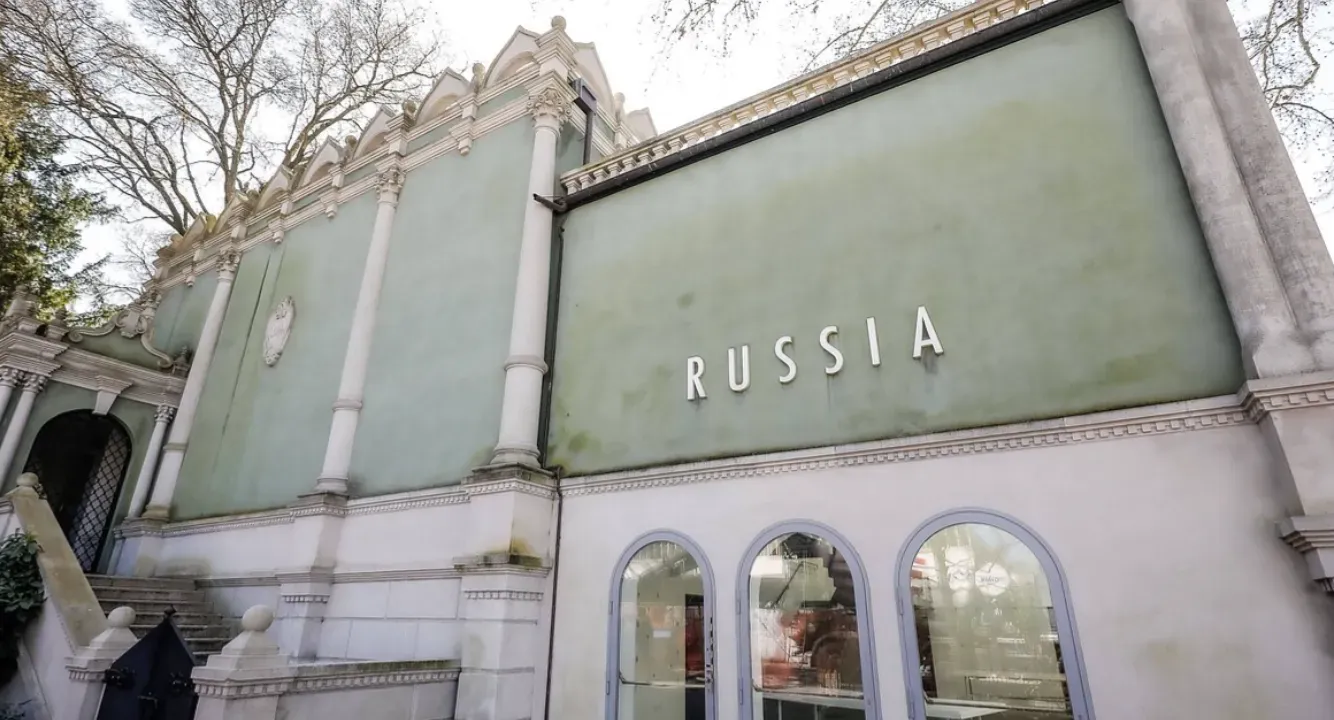
This has been reported by LRT. Lithuania’s position and the broader diplomatic context have also been confirmed by the Ministries of Culture of Lithuania and Latvia.
The Lithuanian Ministry of Culture stated that the curators of the Baltic pavilions are considering various formats for public initiatives during the Venice Biennale. Their aim is to clearly and publicly demonstrate their disagreement with the Russian Federation’s participation in the exhibition. At the same time, there is no question of boycotting the Biennale itself: Lithuania, like other countries in the region, intends to remain at the event but to act jointly and consistently.
This story did not begin now. As early as 10 March, the ministers of culture and foreign affairs of 22 countries called on the organisers of the 61st International Exhibition La Biennale di Venezia to reconsider their decision to admit Russia. The joint statement emphasised that culture does not exist outside the reality of war, and that international cultural institutions have not only artistic significance but also a moral responsibility. Among the signatories were Lithuania, Latvia, Estonia, Poland, Ukraine, Germany, France, Spain and other European states.
The European Commission also spoke out separately against Russia’s participation. Reuters reported that Brussels had warned the Venice Biennale of a possible suspension of funding if the organisers did not reconsider their decision regarding the Russian pavilion. The European Commission emphasised that culture should not become a platform for propaganda by a state waging an aggressive war against Ukraine.
The Lithuanian Ministry of Culture, in a separate statement, also explicitly opposed Russia’s participation. Officials in Vilnius stressed that the return of a country that grossly violates international law and destroys Ukrainian cultural heritage contradicts the very values of the Biennale. Lithuania joined a coalition of 22 countries and supported a strong message to the organisers.
Against this backdrop, the Baltic states’ stance appears to be the next step. If the diplomatic letter has already been signed, the focus is now on a public reaction directly at the exhibition venue. According to LRT, Baltic curators are discussing precisely such formats – not a withdrawal from the Biennale, but a visible protest during the event.
Russia was included in the list of participants for the 61st Venice Biennale after it missed the two previous exhibitions – in 2022 and 2024. According to Reuters, the decision provoked a sharp reaction not only from Ukraine and EU countries, but also from the Italian Ministry of Culture, which also distanced itself from this move, although the Biennale itself formally remains an autonomous institution.
The PinchukArtCentre also spoke out against Russia’s participation. In its statement, the centre emphasised that a Russian presence in Venice would amount to using a prestigious international cultural platform to whitewash the war and crimes that Russia is committing against Ukraine.
Thus, the current Baltic protest is no longer a local reaction by a few countries, but part of a wider European conflict surrounding Russia’s presence at the Biennale. Unless the organisers change their decision, the pressure surrounding this issue is only growing.
As a reminder, in Latvia over the past two weeks, law enforcement agencies have detained at least three people linked to the activities of the pro-Russian group ‘Baltic Anti-Fascists’.