The US plans to reduce some of its military forces within NATO

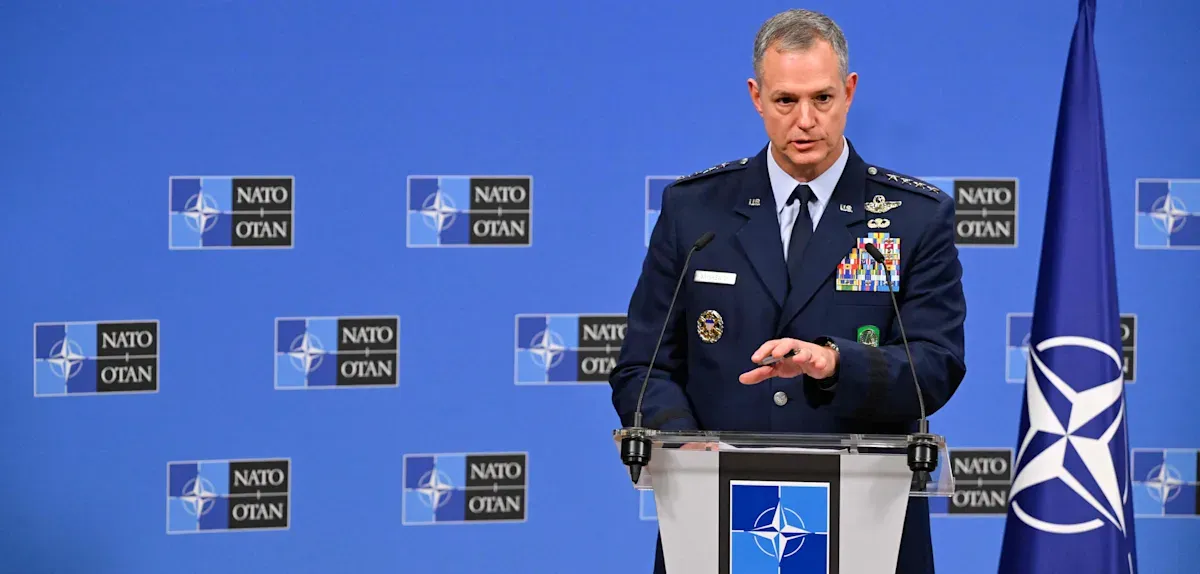
US representatives have handed over to NATO a document listing the military capabilities that Washington plans to scale back within the Alliance. The classified document sets out eleven items regarding changes to the forces and assets that the United States is prepared to provide to NATO.
According to the publication, the US side had warned its allies of the upcoming changes during a closed-door meeting the day before. The cuts primarily concern the NATO Force Model, which determines which forces the Alliance can deploy to the front and within what timeframe.
According to the list, the US intends to reduce the number of KC-135 tanker aircraft from 71 to 63. At the same time, eight KC-46 aircraft are to be completely removed from NATO’s planning.
A reduction in the number of fighter jets is also envisaged. The number of F-16s is set to fall from 99 to 63, and F-15Es from 54 to 36.
The US plans to remove all long-range reconnaissance drones from NATO planning and to almost halve the number of MQ-9 armed drones.
The changes will also affect the naval forces. One of the two aircraft carrier strike groups will no longer be part of NATO’s plans. There are also plans to reduce the number of cruiser and destroyer units by almost half. Furthermore, the capability to launch cruise missiles from submarines is being removed from the plans. The number of Boeing P-8A Poseidon maritime patrol aircraft will be reduced from 26 to 15.
Of the two bomber groups that the US previously provided to the Alliance, the plan is to retain only one.
According to the authors of the article, such decisions demonstrate a shift in US foreign and security policy towards the Pacific region. It is there, in particular, that naval forces and air superiority assets are needed.
This could create additional difficulties for European allies. It will be difficult to quickly compensate for some of these capabilities. In particular, in the areas of maritime reconnaissance and strike drones, where European countries are only just building up their own capabilities.
NATO declined to comment on specific figures. At the same time, Alliance spokeswoman Allison Hart stated that there had previously been an excessive reliance on US forces and capabilities. According to her, as European countries and Canada increase defence spending and develop their own capabilities, the balance of responsibility may shift.
“This shift strengthens NATO’s defence plans by reducing over-reliance on a single ally and reflects broader changes within the Alliance. It is about creating a more sustainable foundation for NATO for the coming decades,” she said.
In mid-June, the issue is to be discussed at the level of the Alliance’s defence ministries. Following this, a meeting of NATO heads of state and government will take place in Ankara on 7 and 8 July, where the allies plan to present a coordinated position.
Despite the scale of the planned cuts, a full US withdrawal from NATO is not currently under consideration. According to the publication, Washington intends to retain key leadership positions within the Alliance. In particular, the post of Supreme Allied Commander Europe, currently held by General Alexus H. Grinkewich, as well as leadership positions in the land, sea and air force commands.