Florence inspired Rothko: a major exhibition of the artist’s works has opened in the city

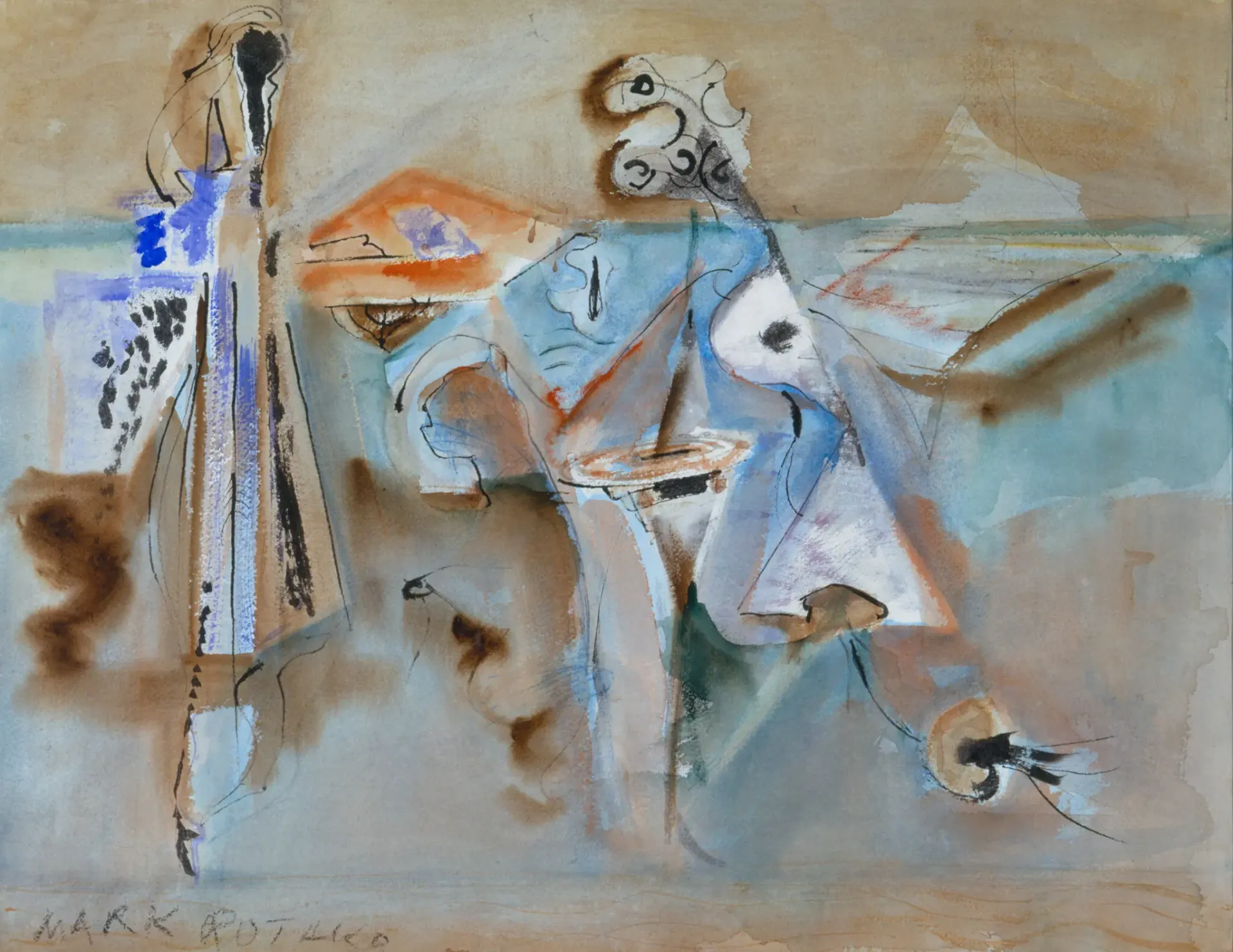
The exhibition has opened at the Palazzo Strozzi and brings together over 60 of the artist’s works, created at various stages of his career. This is reported by The New York Times.
Mark Rothko first visited Florence in 1950 with his wife, and subsequently returned to Italy twice more — in 1959 and 1966. The artist was particularly impressed by Fra Angelico’s frescoes in the Monastery of San Marco and the entrance hall of the Laurentian Library, designed by Michelangelo.
It is these historic sites that have become part of the new exhibition. Several of Rothko’s paintings have been placed in the cells of the Monastery of San Marco, whilst two sketches for the famous Seagram Murals series are on display in the Laurentian Library.
According to the exhibition’s curator, Elena Geuna, Rothko’s works have a deep spiritual connection with the traditions of European art.
“His paintings seek to communicate with the viewer on a spiritual level. This humanistic approach has its roots in European art,” she noted.
The exhibition curators emphasise that the atmosphere of Florence and its architecture helped shape Rothko’s artistic vision.
The artist’s son and co-curator of the exhibition, Christopher Rothko, explained that his father was struck not only by the city’s artistic heritage but also by its historical atmosphere.
“It’s not that he painted landscapes of Florence. It’s more that the city penetrated his consciousness and influenced his way of thinking,” he said.
It was under the influence of European architecture and art that Rothko gradually moved from figurative painting to his famous large abstract canvases with coloured planes.
The exhibition showcases the artist’s works created over more than three decades and traces the evolution of his style — from early figurative paintings to abstract compositions.
Some of the works were provided by the private collections of the artist’s children — Christopher Rothko and Kate Rothko Prisel.
According to the organisers, the exhibition marks the artist’s symbolic return to the city that played a significant role in shaping his creative development.