Japan prepares to deploy its first batch of long-range missiles

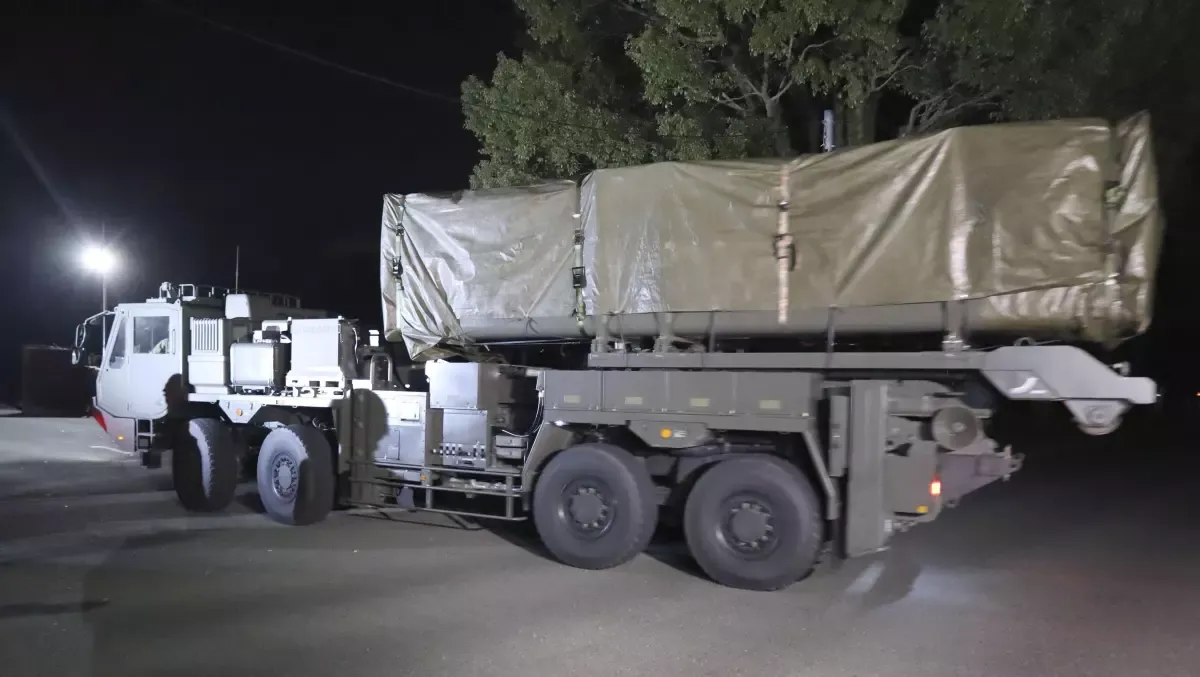
Japan is preparing to deploy its first batch of long-range missiles of its own design. Launchers for them have arrived at a military camp in the southwestern part of the country.
The upgraded Type-12 land-to-ship missiles are planned to be deployed at the Kengun military camp in Kumamoto Prefecture by the end of March. This was announced by Minoru Kihara, Chief Cabinet Secretary of Japan, without providing further details.
Army vehicles carrying launchers and other equipment arrived at the camp after midnight during an operation that was conducted without public fanfare. Dozens of people gathered at the gates of the military facility to protest against the deployment of missiles, holding placards reading "Stop the deployment of long-range missiles!"
Opponents of the deployment cited a lack of transparency in the process and expressed concern that such actions could increase tensions and make the facility a potential target for attack.
Kumamoto Prefecture Governor Takashi Kimura told reporters that local authorities had not been informed of the plans. "The prefecture never received any notification. We are very disappointed that we learned about this from media reports," he said.
The Kyushu Regional Defence Bureau later announced its intention to invite local authorities to a demonstration of the equipment at the camp next week ahead of the planned deployment of the missiles on 31 March. No public hearings are planned.
The Japanese Ministry of Defence decided last year to bring forward the deployment of the missiles by a year. Japan is strengthening its military presence in the south-western region amid growing tensions over Taiwan.
The upgraded Type-12 missile is designed and manufactured by Mitsubishi Heavy Industries. It has a range of approximately 1,000 kilometres, significantly exceeding the 200-kilometre range of the original version.
Later this year, these missiles are also planned to be deployed at the Fuji military camp in Shizuoka Prefecture, west of Tokyo.
Japan views China as a growing security threat and is strengthening its military infrastructure on islands near the East China Sea. Many islands, including Okinawa, Ishigaki and Miyako, already have PAC-3 interceptors and medium-range anti-aircraft missile systems deployed.
Defence Minister Shinjiro Koizumi announced last month that Japan plans to deploy medium-range anti-aircraft missile systems on Yonaguni Island, east of Taiwan, by March 2031.
Tensions in the region have risen following a statement by Prime Minister Sanae Takaichi, who said after taking office that any military action by China against Taiwan could be grounds for a military response by Japan.
Sanae Takaichi also announced her intention to review security and defence policy by the end of the year and strengthen the country's military capabilities with unmanned combat vehicles and long-range missiles.
The government also plans to lift restrictions on the export of lethal weapons in the coming weeks to promote the development of Japan's defence industry and cooperation with partner countries.