Europe is stepping up its NATO contingency plan in the event of the US leaving the alliance

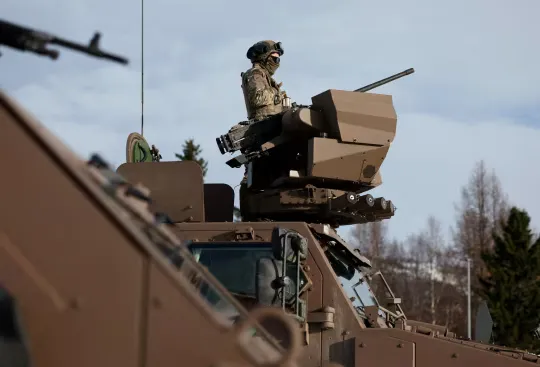
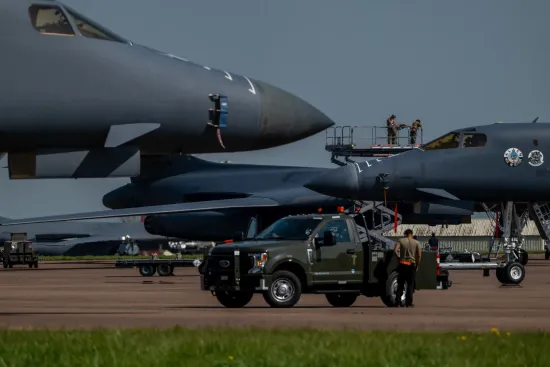
European officials are working on a plan that envisages using existing NATO structures to ensure the continent’s self-defence in the event of a US withdrawal. As part of the initiative, which some officials refer to as a ‘European NATO’, it is proposed to expand European countries’ participation in command structures and partially replace US military resources with their own. This is reported by ThePublic, citing The Wall Street Journal.
Discussions are taking place informally during meetings of alliance representatives. Participants stress that these plans are not aimed at creating an alternative to NATO, but are intended to ensure the deterrence of Russia, the preservation of operational capability and the nuclear component in the event of a reduction in US involvement.
The idea emerged last year, but gained momentum following US President Donald Trump’s statements about Greenland’s possible accession and against the backdrop of disagreements over the war in Iran. Berlin’s change of stance provided further impetus.
For decades, Germany has opposed strengthening Europe’s defence autonomy and supported the US’s leading role as a guarantor of security. Under Chancellor Friedrich Merz, this approach is being reconsidered due to doubts about the reliability of the US as an ally.
NATO’s structure is built around American leadership at all levels, particularly in logistics, intelligence and command. European countries are seeking to take over some of these functions. The Alliance’s Secretary General, Mark Rutte, stated that NATO must become more Europe-focused.
Finnish President Alexander Stubb noted that the redistribution of responsibilities is already underway and forms part of US strategy. According to him, it is important that this process takes place gradually and in a controlled manner.
Earlier this month, Donald Trump raised the possibility of the US withdrawing from NATO due to allies’ refusal to support a campaign against Iran. Withdrawal from the alliance requires congressional approval, though the president can alter troop deployments or reduce support.
Following these statements, Alexander Stubb held a telephone conversation with Donald Trump and informed him of Europe’s steps to strengthen its own defence. He emphasised that Europe must take on more responsibility for security.
German Defence Minister Boris Pistorius stated that NATO remains indispensable for both Europe and the US, but European countries must strengthen their own role in the defence sector.
Germany’s change of stance has helped to align approaches with the UK, France, Poland, the Nordic countries and Canada. They view the plan as a coalition of like-minded nations within the alliance.
Following this, discussions moved on to practical matters, including the management of air and missile defence systems, logistics and military exercises in the event of a reduced US role.
Other elements under consideration include the reinstatement of conscription, which many countries abolished after the end of the Cold War. There is also talk of increasing the production of military equipment, particularly in the areas of anti-submarine warfare, space systems, reconnaissance and air support.
Despite intensified efforts, implementing these plans remains challenging. The Supreme Allied Commander Europe has traditionally been a US representative, and Washington has no plans to relinquish this role.
European countries also lack the capacity to fully replace American nuclear capabilities and intelligence systems. This places additional pressure on France and the UK to expand their role in deterrence.
Following Donald Trump’s comments on Greenland, Friedrich Merz and French President Emmanuel Macron began discussions on the possible extension of French nuclear deterrence to other European countries, notably Germany.
Follow us on Telegram