Europe needs to urgently increase missile production

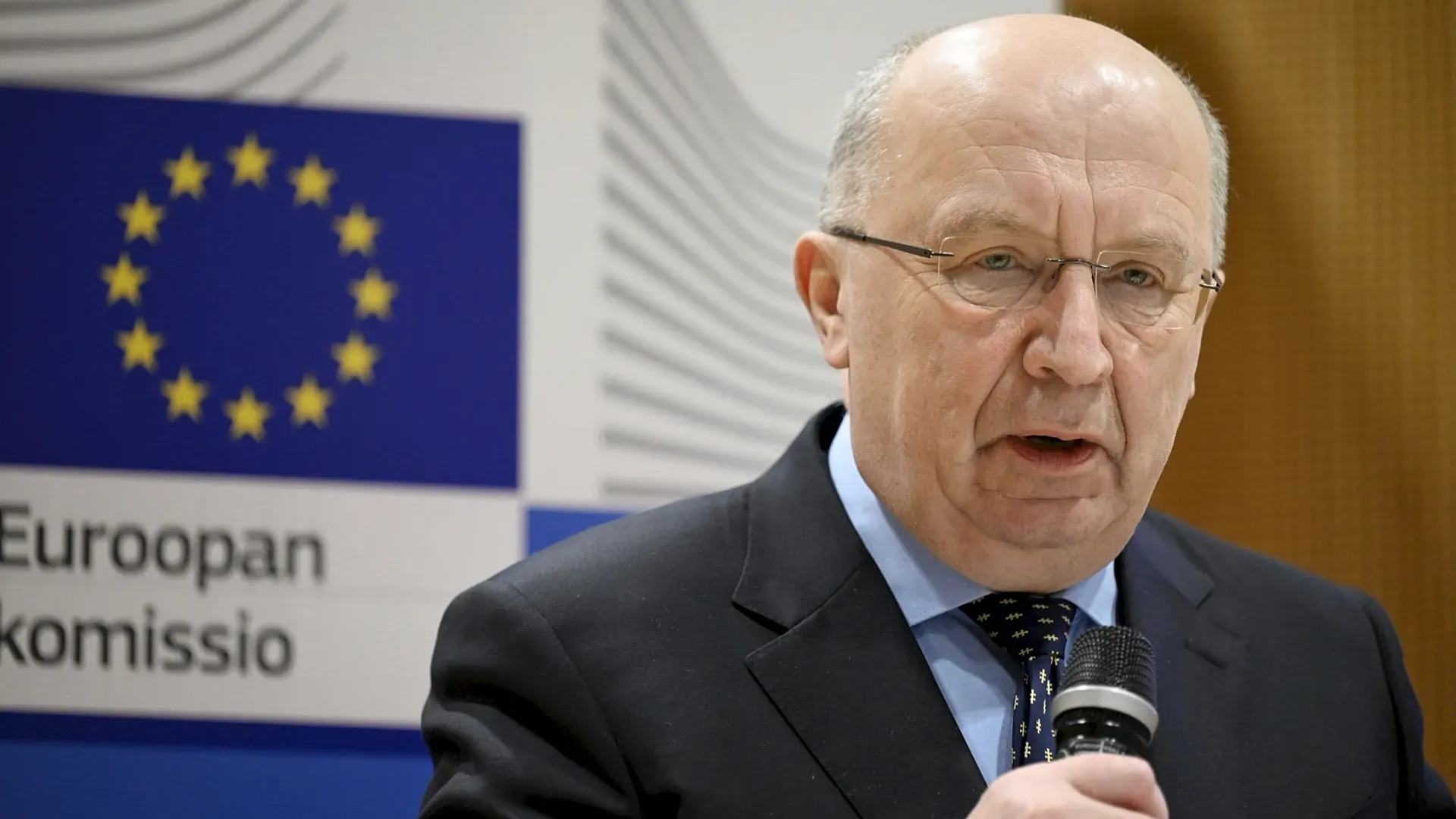
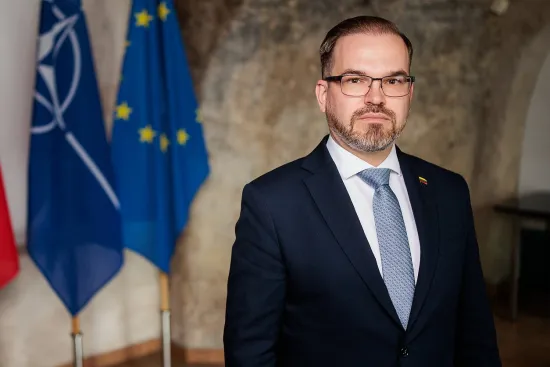
Europe needs to urgently increase missile production amid growing global demand and pressure on arms supply chains. This was stated on Friday by European Commissioner for Defence Andrius Kubilius.
He spoke in Poland during the first stage of his trip, which he called the Missile Tour.
According to Kubilius, Ukraine's needs on the battlefield, particularly in terms of air defence interceptors, significantly exceed the current production capabilities of Western countries.
"Missiles, drones and 155 mm calibre ammunition with increased range are Ukraine's key priorities," he said. At the same time, missiles, according to him, have become the "most difficult" category for allies.
Kubilius said that in 2025, Ukraine suffered nearly 2,000 missile attacks, of which approximately 900 were ballistic missiles launched by Russia.
Such missiles are more difficult to intercept and require modern air defence systems, such as Patriot.
According to Kubilius, Ukraine needed approximately 700 Patriot interceptor missiles during the four-month winter period. Often, several interceptors are required to destroy a single ballistic missile.
At the same time, Lockheed Martin's production rate for PAC 3 missiles in 2025 was about 600 units.
"The Americans will not be able to provide sufficient quantities of these missiles to the Persian Gulf countries, their own army, and Ukraine," Kubilius said. "The situation is really critical. We need to develop
missile production very urgently and very quickly," he added.
European officials note that the latest crisis in the Middle East has highlighted the risks of dependence on external arms suppliers.
Ukrainian President Volodymyr Zelensky said during a briefing on Thursday that more than 800 American missiles had been used in three days in the Middle East to intercept Iranian missiles and drones.
"Ukraine has never had so many missiles to repel attacks," he said.
Volodymyr Zelenskyy regularly asks allies to transfer PAC 2 and PAC 3 missiles to Ukraine. According to him, such missiles are usually used within a few days of receipt.
Polish Defence Minister Władysław Kosiniak-Kamysz, who spoke alongside Kubilius, said the situation highlights the need for a more independent European defence industry.
"The independence of arms production in Europe and secure supply chains are becoming even more important," he said.
He said American manufacturers may prioritise replenishing stocks in the US and the Gulf countries.
Poland has already signed large contracts for the supply of American military equipment and is monitoring whether other conflicts could affect delivery times.
"If this conflict continues, then, unfortunately, such a risk exists," Kosiniak-Kamysz said.
Kubilius noted that Brussels is trying to solve the problem with the help of new financial instruments.
These include a €90 billion European Union loan to Ukraine to support it over the next two years. Two-thirds of the funds are earmarked for military spending and are to be used to purchase from manufacturers in Ukraine and Europe.
The loan is expected to start coming in from April. It is currently being blocked by Hungary due to an energy dispute with Ukraine.
Another source of funding is the EU's €150 billion defence credit programme. Nineteen EU member states, including Poland, have already applied for it.
After Poland, Andrius Kubilius plans to visit Italy, Germany, Belgium, Sweden and Finland.