Lithuania is preparing for a possible Russian attack and is calling on Europe to break its dependencies

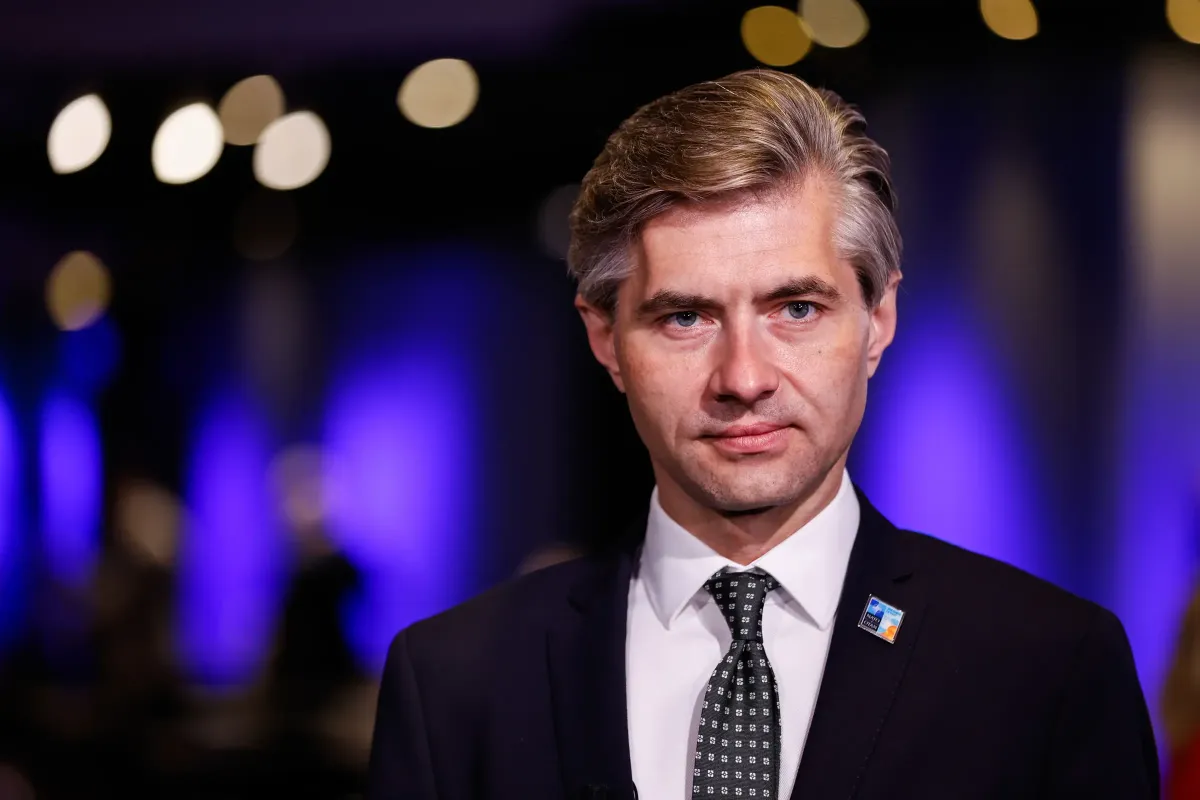
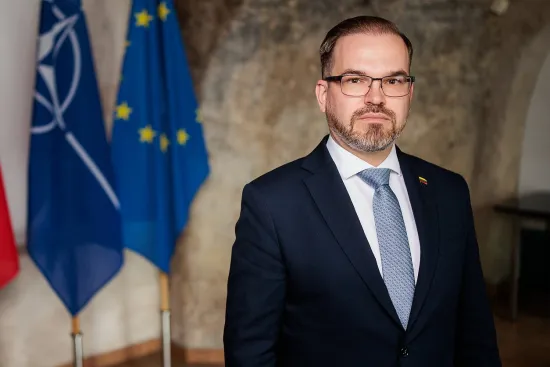
Lithuanian Foreign Minister Kęstutis Budrys has stated that the Baltic region remains one of the most vulnerable areas in the event of a potential Russian attack on NATO. According to him, the Alliance countries have not yet fully implemented the concept of deterrence, reports the Neue Zürcher Zeitung.
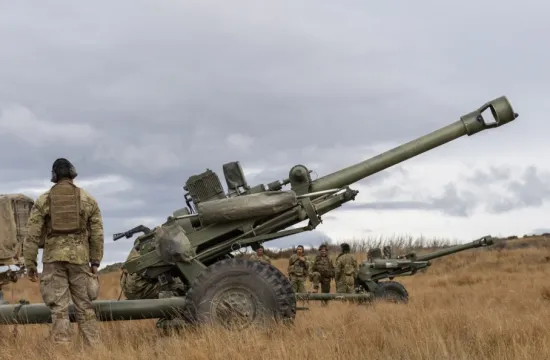
Budrys noted that Lithuania lacks a long-range air defence system to protect against ballistic and cruise missiles. He said that Russian and Ukrainian drones regularly enter the country’s airspace, and Russian military aircraft sometimes fly over Lithuania with their transponders switched off.
According to the minister, NATO has agreed on a rotational deployment model for ground-based air defence systems, but this is not enough. He emphasised that the Alliance needs more readily available systems and the ability to scale up its defences rapidly.
Budrys stated that he has no doubt about the application of NATO’s Article 5 and the allies’ readiness to defend Lithuania. He recalled that Alliance forces are already deployed in the country, and that Germany plans to deploy a full-strength German brigade of 5,000 troops by the end of 2027.
The minister supported Germany’s intention to create Europe’s strongest conventional army. In his view, Europe needs to strengthen its land forces, air force and navy following decades of underfunding.
Budris also stated that Europe needs to rethink its own defence model. He noted that many of NATO’s current plans are based on US military capabilities, particularly satellite reconnaissance. According to him, if Europe wants to be capable of defending itself independently, it will have to review its approaches even to nuclear deterrence.
The minister criticised the term ‘eastern flank’, which is frequently used in Brussels. He stated that the Baltic states are now at the heart of European security, and that the notion that a conflict with Moscow would affect only Russia’s neighbours is dangerous.
Budrys said that Lithuanian society has undergone a transformation from fear to preparedness. According to him, after the start of Russia’s full-scale invasion of Ukraine, anxiety prevailed in the country, but now people know how to act in crisis situations. Many citizens have joined voluntary organisations.
The minister also commented on the training of Lithuanian schoolchildren in the use of drones. He described this as a technological necessity and part of national resilience. According to him, drones are an important element of defence both on land and at sea.
Separately, Budrys emphasised that the European Union must become a fully-fledged geopolitical player. He stated that Europe needs to learn to defend its own interests in the Middle East, the Sahel and in relations with Russia.
The Lithuanian Foreign Minister also supported Ukraine’s accession to the EU and NATO. He said that Ukraine is an integral part of European security, and that the future European defence system should be built in partnership with the UK, Norway and Canada.
Budrys stated that Lithuania has already effectively separated itself from Russia. He said that over the past 36 years, the country has gradually purged its energy sector, banks and politics of Russian influence.
“Everything that came from Russia was toxic and corrupt. We have shed the Russian burden, and our lives have improved,” he said.
According to the minister, Lithuania was previously 100% dependent on energy imports, but plans to become a net exporter of green energy by 2030.
At the end of the interview, Budrys appealed to allies to rid themselves of dependencies.
“There is no alternative to freedom,” he declared.