Magnetic storm reaching level 5 on 18 April 2026: when to expect the impact

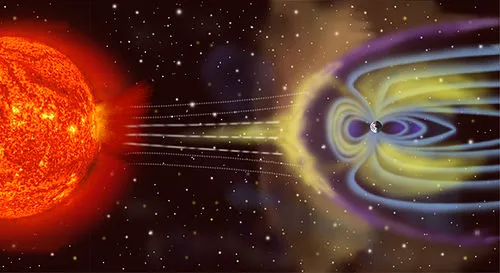
This is according to the British Geological Survey.
According to the BGS, as of 15 April, the solar wind speed remained at background levels, so geomagnetic activity is expected to be low throughout 16 April and most of 17 April.
However, towards the end of the second forecast period or at the start of the third, coronal hole CH42 will begin to affect Earth, which could increase the solar wind speed and raise activity to a G1 storm level.
On 16 April, NOAA also reported that a G2-level magnetic storm warning had been issued for 17–18 April due to the expected impact of a fast solar wind stream from the coronal hole. Thus, official Western services agree that the calm geomagnetic situation on 16 April will change by the end of 17 April and over the weekend.
In practical terms, this means that no significant disturbances are forecast for 16 April, and the first noticeable impact is expected closer to the evening of 17 April or on 18 April. It is this period that is currently considered the most likely for the onset of a weak magnetic storm, which is often described in popular forecasts as a storm ‘up to 5 on the scale’.
On the NOAA scale, a G1-level storm is considered weak. It usually poses no serious threat, but may cause minor fluctuations in power grids, isolated disruptions to satellite and radio communications, and contribute to the appearance of auroras at lower latitudes than usual.
As reported by ThePublic, on 16 April 2026, Ukraine is expected to experience spring-like warm weather with temperatures reaching up to +19 degrees. At the same time, light rain is expected in some regions, whilst the east, south and most of the centre will remain dry.
Follow us on Telegram