Mediators have proposed a 10-day ceasefire to the US and Iran whilst Trump considers two possible scenarios for the war’s future course

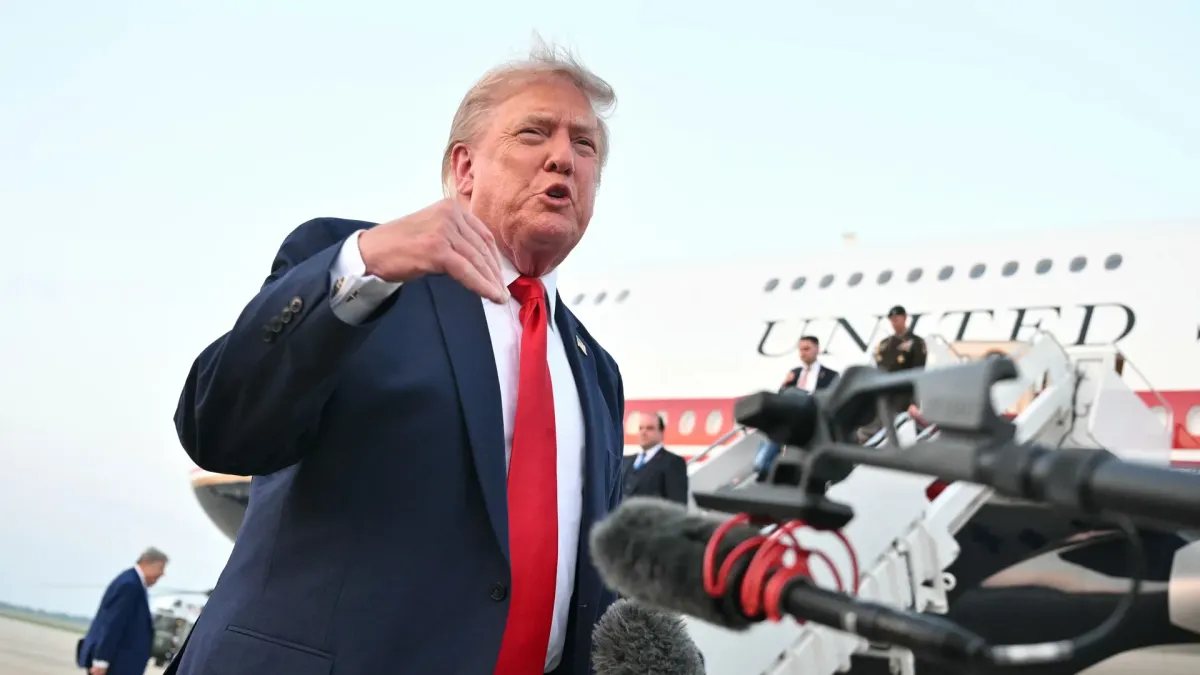
US President Donald Trump finds himself faced with a choice between two possible scenarios for the war with Iran. According to US and Israeli officials, one scenario involves agreeing a new 10-day ceasefire to restore shipping through the Strait of Hormuz, whilst the other involves a large-scale joint military campaign by the US and Israel aimed at forcing Tehran to capitulate.
According to Axios, Qatar, Egypt, Pakistan and other regional mediators have conveyed a proposal for a 10-day ceasefire to Washington and Tehran. The US administration is considering this initiative and has called on Israel to refrain from any actions that could derail the diplomatic process.
At the same time, Washington is preparing for a possible breakdown in the talks. In recent days, the US has deployed dozens of fighter jets and refuelling aircraft to the region, building up forces for a potential expansion of the operation. Israeli sources report that the Israel Defence Forces are on high alert and are preparing for a possible transition to a large-scale joint campaign in the coming days.
The report notes that ten consecutive nights of US strikes have failed to deprive Iran of control over the Strait of Hormuz. At least three American servicemen have been killed as a result of the resumption of hostilities. Donald Trump stated that he had instructed the Pentagon to make Iran ‘pay many times over’ for every American military death.
Against the backdrop of this escalation, the price of Brent crude briefly exceeded $90 per barrel, whilst petrol prices in the US began to rise again.
The proposed ceasefire involves a complete cessation of hostilities, the reopening of both shipping lanes through the Strait of Hormuz, and the creation of conditions for the resumption of negotiations between the US and Iran on a memorandum of understanding.
According to one source, the mediators have proposed a ‘period to ease tensions’ to the parties. However, neither Washington nor Tehran has yet agreed to this initiative. Both sides, it is reported, are seeking to strengthen their positions through further strikes ahead of a possible ceasefire.
Against this backdrop, the Iran-backed Houthis in Yemen have announced a naval blockade of Saudi ports. Israeli Prime Minister Benjamin Netanyahu has warned that any Iranian attack will be met with large-scale strikes, raising the risk of the conflict escalating further.
According to regional sources, the new initiative is based on proposals discussed on 11 July in Muscat, involving Oman, Iran and Qatar. At that time, the US demanded public assurances from Tehran regarding the openness of the Strait of Hormuz. The talks ended without an agreement, after which Iran attacked commercial vessels and the US launched a series of night-time air strikes.
The draft agreement provides for the opening of a southern route through Omani territorial waters without attacks from Iran, and a northern route through Iranian waters without a US blockade. During a 10-day ceasefire, the parties would be expected to agree on a long-term mechanism for the passage of vessels through the strait.
Among the possible options under consideration is a mechanism whereby Iran would be able to receive payment for specific services relating to the safety of navigation and environmental protection. Another option involves the creation of a special fund with the participation of the International Maritime Organisation.
Those involved in the mediation efforts include the Prime Minister of Qatar, Mohammed bin Abdulrahman Al Thani; Qatar’s Special Representative, Ali Al Tawadi; Pakistan’s Chief of Army Staff Asim Munir, Egypt’s Foreign Minister Badr Abdelati and Oman’s Foreign Minister Badr al-Busaidi.
According to one of the regional sources, the talks were making progress until an Iranian missile strike in Jordan resulted in the deaths of at least two American servicemen, after which Washington withdrew from the diplomatic initiative.
A senior US official confirmed that talks are ongoing, although Donald Trump has not yet concluded the relevant military operations. He said the President is focused on ensuring that Iran is held to account for breaching the memorandum of understanding, its actions in the Strait of Hormuz and the deaths of American service personnel.
Esmail Baghaei, a spokesperson for the Iranian Ministry of Foreign Affairs, confirmed that Tehran had received proposals via intermediaries, but declined to disclose their content. He also stated that the Iranian armed forces would continue to “respond decisively and destroy the source of American aggression”.
According to Axios, it is currently unclear whether Donald Trump has been briefed on all the details of the proposed truce and whether he will agree to a new temporary ceasefire without a clear mechanism for achieving a long-term settlement. One source suggests that the White House may continue its strikes on Iran for a few more days before seriously considering the proposed initiative.