New entry rules to the EU: what will change for Ukrainians

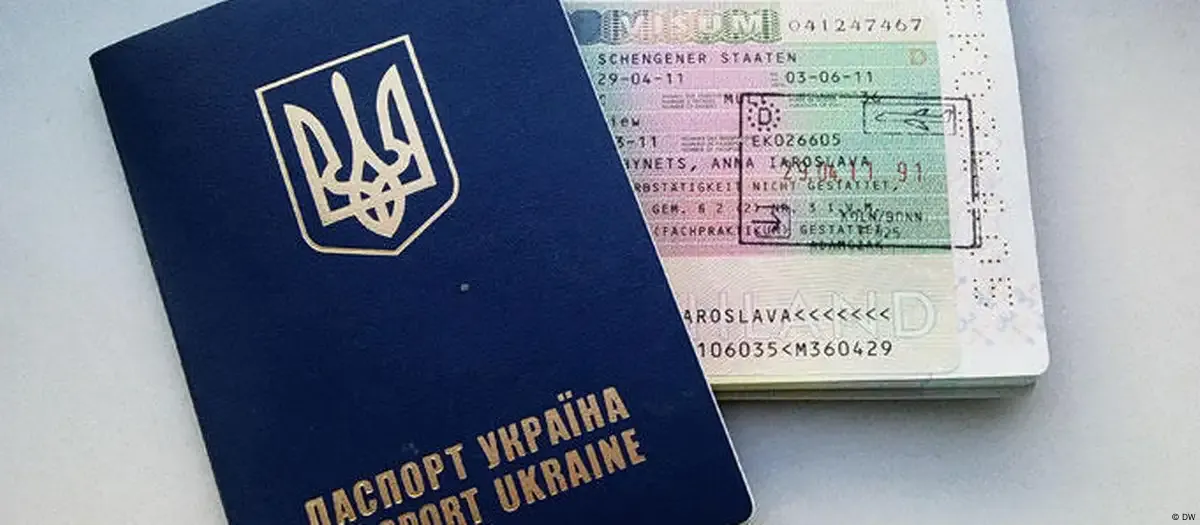
Starting Sunday, October 12, citizens of Ukraine and other countries not part of the European Union will officially be affected by new rules for crossing its external borders, regardless of whether they have a visa-free regime with the EU. 29 Schengen Area countries will introduce a new EES (Entry Exit System). They will collect and verify biometric data of all third-country citizens upon entry and exit — at international airports, train stations, vehicle border crossings, and seaports.
Who will be affected by the new rules
The EES will record electronically the data of third-country citizens arriving on a short visit. This refers to stays of up to 90 days within a 180-day period. Thus, third-country citizens who have residence permits in Schengen countries will not be affected by this rule.
For residents and citizens of EU countries, as well as holders of long-term Schengen visas, separate queues will be created where they will need to present their visa or residence permit and passport.
How the procedure will change
Upon first contact with the new system when crossing the EU border, travelers will need to take a photograph and provide fingerprint scans. This will create a digital record of each traveler, including passport details. On subsequent crossings of the Schengen border, biometric data will be verified against this record. Children under 12 years old will not need their fingerprints taken.
Registration will be required either at special EES terminals or at automated border control machines, which will read passport data and collect biometric data from passengers using step-by-step instructions. Only holders of biometric passports will be able to use these machines.
Should we expect major changes already on October 12
Not all border checkpoints will immediately switch to the new system. The implementation of EES will be gradual: it should be fully introduced at all border crossings by April 10, 2026, and passport stamps will be replaced with electronic records in the database.
For now, each EU country's authorities will decide when and at which border crossings to start using this system — the transition period should give border guards, transport operators, and travelers time to adapt to the new procedures.
As the British publication The Independent writes, only the Czech Republic, Estonia, and Luxembourg will fully implement EES on October 12. Germany will start at Dusseldorf Airport, where initially only a small portion of passengers will need to go through the new system. Subsequently, Frankfurt and Munich will also implement the new system.
It is expected that during the first six months, the usual manual procedure of checking and stamping passports will continue as usual, but travelers may also be asked to provide biometric data in parallel. Essentially, border guards will be able to stamp passports until the system is fully operational.
What is the purpose of the new system
The goal of the EES system is to accelerate border control and make it more efficient. Since biometric and passport data will be recorded upon first entry and exit from the EU, each subsequent entry and exit will require only a very quick check, as the data will already be stored in the system, promises the European Commission. With the new system, travel will become safer, simpler, and faster for everyone, assures its press service.
The EES will not only ease travel for passengers, says European Commission spokesperson Markus Lammert, but also help the EU combat abuses, including those by citizens of countries with "visa-free" arrangements.
If a person who has already stayed in the Schengen zone for 90 days within 180 days attempts to re-enter, they will be denied entry at the border. Additionally, information about the refusal of entry will be recorded in the EES or, if the person is not registered in the EES, a stamp canceling entry will be placed in their passport.
"The new digital system will provide reliable data on border crossings and systematically identify individuals who have overstayed, as well as cases of document forgery and identity fraud," Lammert stated at a briefing in Brussels.
Unified database for Schengen countries
All information about travelers will now be stored in a pan-European database, enabling authorities to more effectively track the movement of foreigners within the Schengen area.
Previously, each EU country had access only to its own database, but now Schengen states will exchange information about all individuals entering the EU and will have access to the same data. The EES will give border services and law enforcement agencies access to passenger information, helping authorities detect security threats and combat crime and terrorism, emphasizes the official Brussels statement.
The next step - ETIAS
By the end of 2026, the EES will be complemented by the European Travel Information and Authorization System (ETIAS). This system will require travelers from visa-free countries to obtain an entry permit to the Schengen area.