The UAE has backed the creation of an international force to keep the Strait of Hormuz open

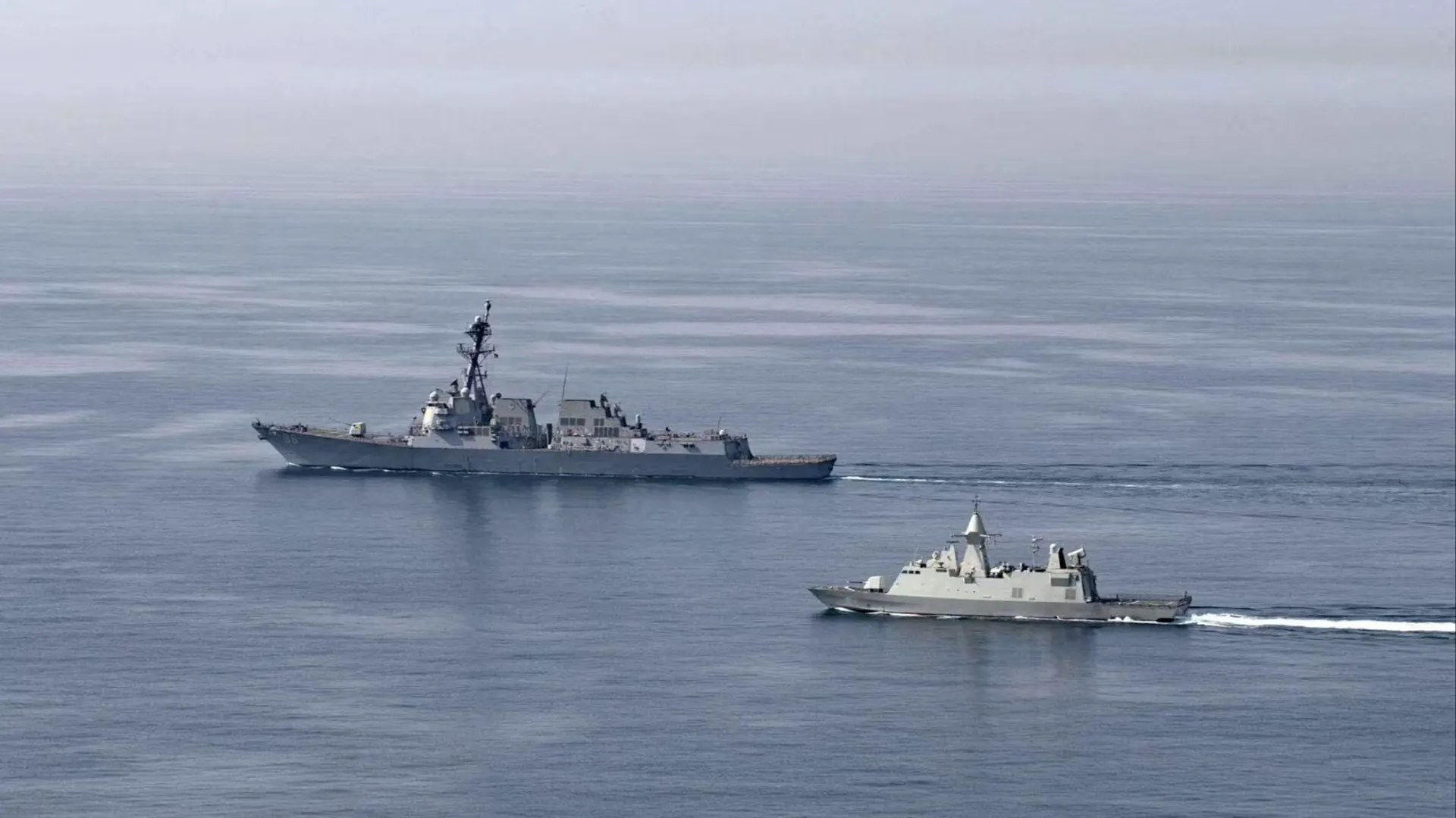
The United Arab Emirates has informed the US and other Western nations that it is prepared to take part in a multinational naval mission aimed at restoring shipping traffic through the Strait of Hormuz. Three informed sources told the Financial Times of this. Two of them said that Abu Dhabi is prepared to deploy its own naval forces.
This decision reflects the UAE’s tougher stance on Iran following retaliatory strikes against the US and Israel. One of the sources said the main aim was to create as broad an international force as possible, adding that this was not about a war with Iran.
The UAE, together with Bahrain, is also working on a UN Security Council resolution that could provide a mandate for the future mission. However, according to the source, Russia and China may oppose it.
Tehran’s attacks have slowed traffic through the Strait of Hormuz, through which a fifth of the world’s oil and gas supplies usually pass. Gulf states fear that Iran may attempt to retain control of the strait even after the war ends.
There is a growing conviction among some Gulf states and within Donald Trump’s administration that it will be difficult to restore free navigation without naval escort. White House spokeswoman Caroline Levitt said on Wednesday that the administration is working to ensure that ships can once again pass freely through the strait as soon as possible.
The United Arab Emirates, which has a relatively small but modern fleet, is trying to persuade dozens of countries to establish a Hormuz Security Force to protect the strait from Iranian attacks and to escort ships.
UAE Minister Sultan al-Jaber, who discussed the issue in Washington this week with US Vice-President J.D. Vance, said: “Iran is holding Hormuz hostage, and every country is paying the ransom — at the petrol station, in the grocery shop, at the chemist’s.”
So far, the US’s NATO allies have not backed Donald Trump’s calls to join the escort mission through the strait. According to two sources, the only other Gulf state supporting this plan is Bahrain. The United Arab Emirates also hopes to secure the support of Saudi Arabia and other international partners.
One of the sources said that the UAE military would participate fully in any multinational force. Against the backdrop of the other five Gulf states, Abu Dhabi’s stance stands out. The United Arab Emirates and Bahrain were the only two countries in the region to sign a joint statement last week with Western nations condemning Iran’s attacks on commercial shipping and the de facto closure of the strait.
Other Gulf states are also outraged by Iran’s attacks on their neighbours, particularly after they tried to persuade Donald Trump not to start a war and publicly declared that they would not allow their territory to be used for strikes against the Islamic Republic. At the same time, there is currently no unified response in the region.
Gulf states, including Saudi Arabia, find themselves torn between a desire for Donald Trump to inflict even greater damage on Iran and calls for a negotiated end to the war. They also fear that the US might suddenly withdraw from the region, leaving behind a weakened but more radical regime.
Officials from Gulf states and regional analysts believe that Iran has little incentive to open the strait, as it views it as a key lever in the war.
Two officials also said that states in the region may accelerate plans to build pipelines and rail infrastructure to transport energy resources overland to Oman or the Mediterranean Sea.
Oman, the only Gulf state to have publicly criticised the US and Israeli decision to go to war, has stated that it is working intensively to create safe conditions for passage through the Strait of Hormuz.