Parliament has rejected the decriminalisation of Article 301 of the Criminal Code: what they wanted to change

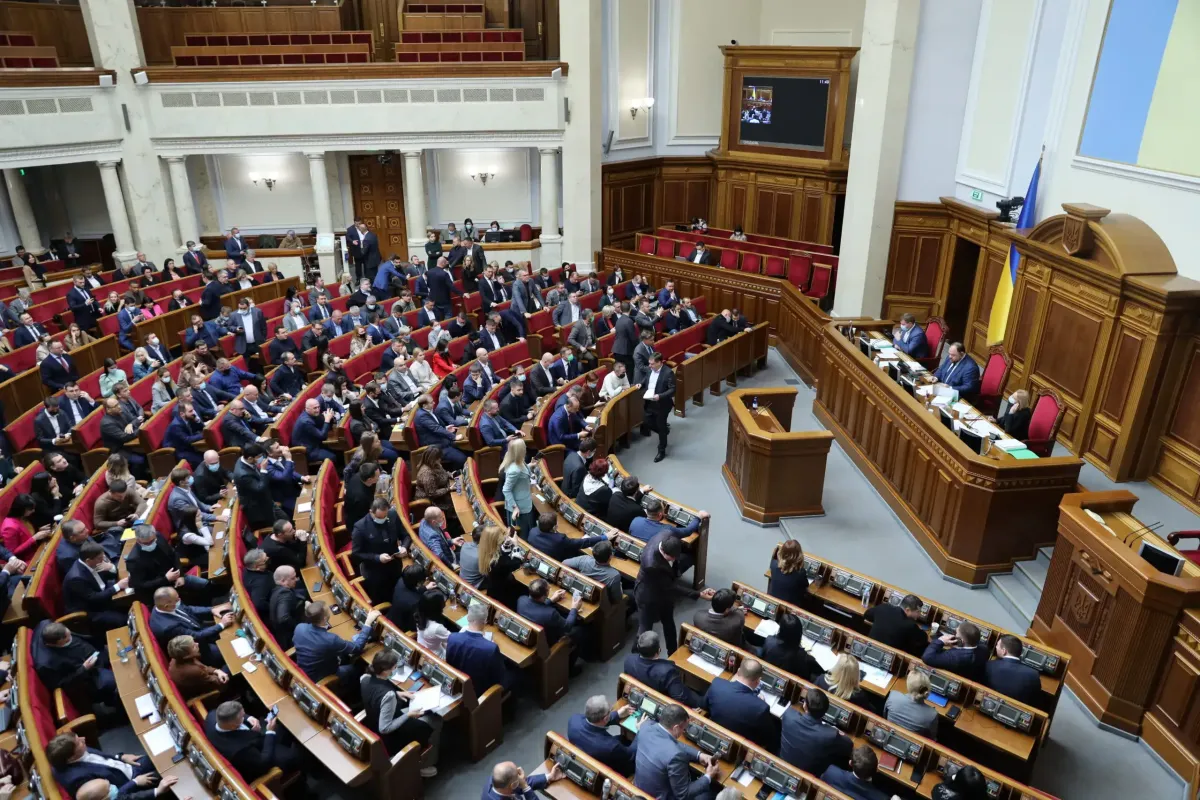
Danylo Getmantsev, chair of the Verkhovna Rada’s Tax Committee, announced that the vote had failed. On the parliament’s website, Bill No. 12191 is listed as ‘rejected and withdrawn from consideration’, and the date 28 May 2026 indicates that the bill was not adopted.
The Verkhovna Rada did not support the bill to decriminalise Article 301 of the Criminal Code of Ukraine.
According to Danylo Getmantsev, the bill received 207 votes.
The MP stated that the bill would be resubmitted to the chamber at the next session. He also described opponents of the bill as “moralists” and “defenders of police schemes”.
The Verkhovna Rada’s bill card states that draft law No. 12191 of 11 November 2024 concerned amendments to the Criminal Code regarding certain criminal offences against public order and morality.
What the bill proposed
Bill No. 12191 proposed changing the state’s approach to liability for adult-oriented content.
The idea behind the document was not to “legalise pornography”, but to decriminalise the actions of adults who voluntarily create or distribute such content.
According to the initiators, the aim was to amend Article 301 of the Criminal Code so that adults would not be punished with imprisonment for filming or distributing intimate videos, provided that the participation of adults was voluntary.
What was to remain a criminal offence
The draft law did not remove liability for dangerous forms of sexual violence or exploitation.
Criminal liability was to remain for pornographic content produced without a person’s consent, in particular so-called ‘revenge porn’ and deepfakes.
Extreme pornography, child pornography, the distribution of such content to children, pimping, coercion into prostitution and human trafficking were also to remain criminal offences.
Why has there been debate surrounding Article 301?
The current Article 301 of the Criminal Code of Ukraine provides for liability for the import, manufacture, sale and distribution of pornographic materials.
Human rights activists, some MPs and civil society organisations criticise it for being overly broad. The problem is that the law does not always clearly distinguish between the commercial production of adult content and private correspondence or consensual content between adults.
The media reported that the current version of Article 301 provides for a penalty of up to seven years’ imprisonment, whereas the draft bill was intended to abolish criminal liability for the import, creation and distribution of pornography involving only adults on a voluntary basis.
The context of corruption
The debate over decriminalisation intensified following reports of ‘protection rackets’ within the law enforcement system.
Ukrinform reported that over the past 10 years, more than 15,000 criminal cases have been opened in Ukraine under the article on the distribution of pornography, but only a handful have reached court. The publication also noted that the current Article 301 is increasingly coming under criticism due to its ineffectiveness and corruption risks.
Separately, data from journalistic investigations by “Ekonomichna Pravda” show that around 1,500 cases are opened in Ukraine each year under Article 301 of the Criminal Code, and between 2022 and 2025, around 10 million hryvnias could be spent from the budget on investigations and art expert assessments.
What happens next
Following the failure of the vote, Bill No. 12191 has been withdrawn from consideration.
At the same time, Getmantsev stated that supporters of decriminalisation will not give up and plan to resubmit the bill to the chamber during the next session.
If this happens, parliament will once again have to decide whether to retain criminal liability for consensual adult intimate content, or to limit Article 301 primarily to offences against children, coercion, violence and distribution without consent.
Follow us on Telegram