Putin is losing control of Russia

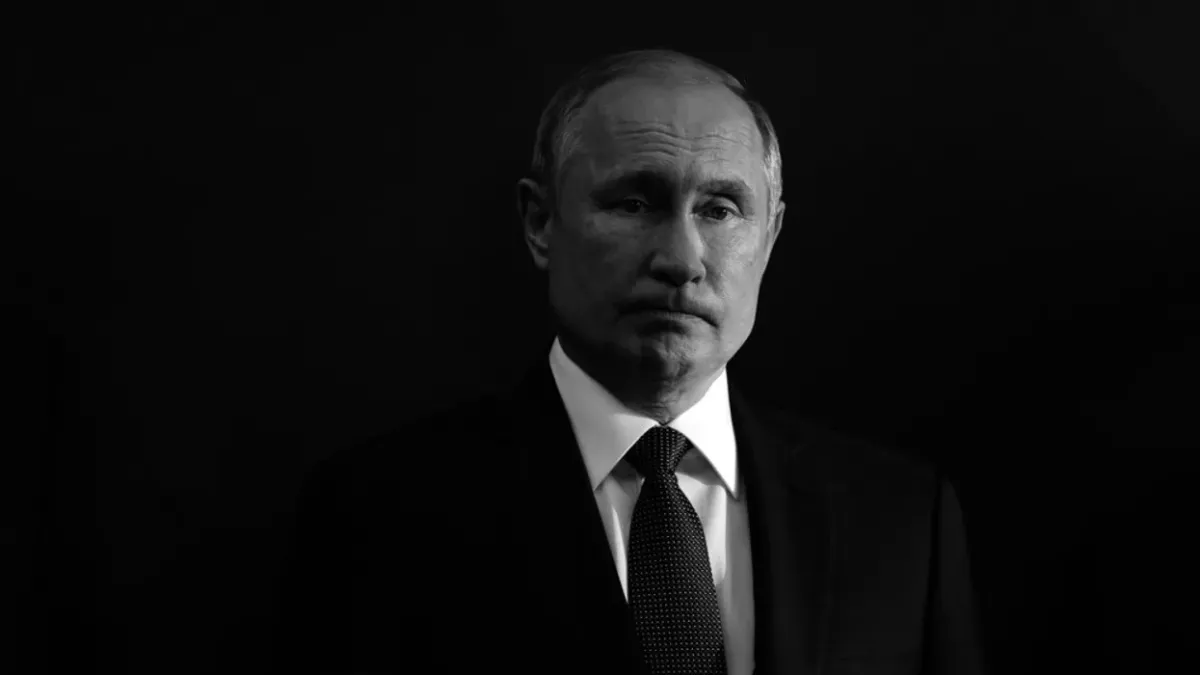
A new trend is emerging in Russia in the statements made by government officials, regional leaders and business figures. They are ceasing to use the first-person plural ‘we’ when describing the state’s actions, and are increasingly referring to ‘his’ decisions, meaning those of Vladimir Putin, writes The Economist.
Just a year ago, events related to the war against Ukraine were perceived as collective. Now, these processes are increasingly characterised as the president’s personal initiative. Decisions are described as “strange”, and the future is viewed as something that may unfold independently of him.
This shift does not signify open resistance. The system retains control and relies on fear, inertia and repression. At the same time, it has lost the ability to shape a vision of the future. Previously, the authorities offered certain guiding principles, notably ideas of restoring statehood or modernisation, but such projects are now absent.
The war against Ukraine, launched to preserve the system, has had the opposite effect. A section of society is beginning to imagine a future without Putin. This is linked to several factors.
Among them is the rising cost of the war. The conflict, which was initially presented as a limited operation, has, over time, taken on a significant scale. This is accompanied by inflation, tax increases, the deterioration of infrastructure and increased censorship. At the same time, society is not being offered a clear goal.
Another factor is the growing need for rules among the elites. Following the return of capital to Russia, conflicts have had to be resolved domestically without developed institutions. In recent years, substantial assets have been seized from businesses, which has heightened tensions.
The international situation has also changed. The war has influenced global processes, but at the same time weakened Russia’s position. It has lost the advantages that previously allowed it to utilise international instruments, in particular energy resources and political leverage.
An identity crisis is also highlighted. Russia no longer has a clear external model against which it can measure itself. This complicates the formation of a domestic vision for development.
Another factor relates to the tightening of ideological control without corresponding compensation for society. Previously, the state offered a certain level of stability and prosperity in exchange for political loyalty. Now this balance has been disrupted.
The result is a situation where every subsequent decision worsens the state of the system. It may survive as long as power is maintained, but any attempts to consolidate it only exacerbate internal problems.