The US has rejected Russia’s proposal to exchange intelligence with Iran and Ukraine

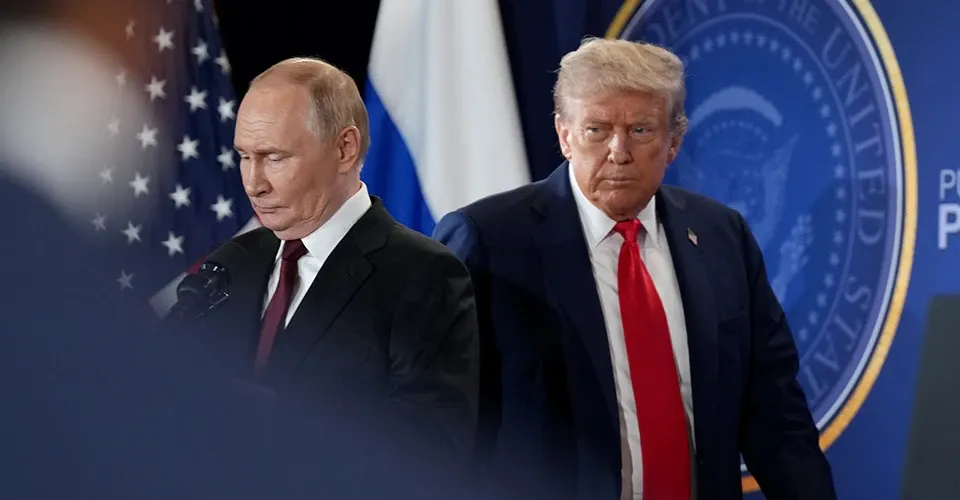
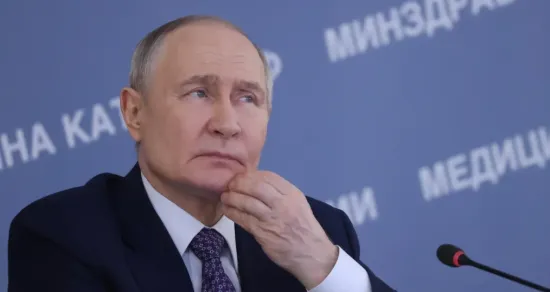
Russia has proposed an agreement to the United States under which the Kremlin would cease passing intelligence to Iran – including the coordinates of US military facilities in the Middle East – if Washington were to stop sharing information with Ukraine about Russia, according to Politico.
According to two sources familiar with the negotiations, Russian representative Kirill Dmitriev put forward this proposal during a meeting in Miami with Trump administration officials Steve Witkoff and Jared Kushner.
The United States rejected this proposal. Dmitriev described the information about it as “fake” in a post on X.
Nevertheless, the very emergence of such an initiative has caused concern among European diplomats, who believe that Moscow is attempting to widen the rift between Europe and the US.
One European Union diplomat described the proposal as “outrageous”. He also noted that such initiatives could fuel suspicions regarding the talks between Witkoff and Dmitriev, which are failing to yield progress in resolving the war in Ukraine.
The Kremlin has stated that US-mediated negotiations on resolving the war in Ukraine are currently “on hold”.
It is also reported that Russia made other proposals regarding Iran, which the US rejected. Among them was the idea of moving Iran’s enriched uranium to Russia.
According to sources, since the start of the war, Russia has expanded its cooperation with Iran in the fields of intelligence and military technology. Specifically, this involves the transfer of satellite imagery and drone technology. The Kremlin has dismissed these reports as ‘fake news’.
In a recent interview with Fox News, President Donald Trump suggested that Russia might be helping Iran, adding that Moscow likely believes the US is helping Ukraine.
The United States continues to share intelligence with Ukraine, despite cuts to other forms of aid. Last year, the exchange of information was temporarily suspended following a meeting in the Oval Office between Donald Trump and Ukrainian President Volodymyr Zelenskyy.
European diplomats also note that the exchange of intelligence remains a key element of US support for Ukraine.
Recently, the Trump administration decided to ease sanctions on Russian oil, which has sparked concern and criticism from European leaders, notably German Chancellor Friedrich Merz.