Good Friday: superstitions, traditions and strict prohibitions

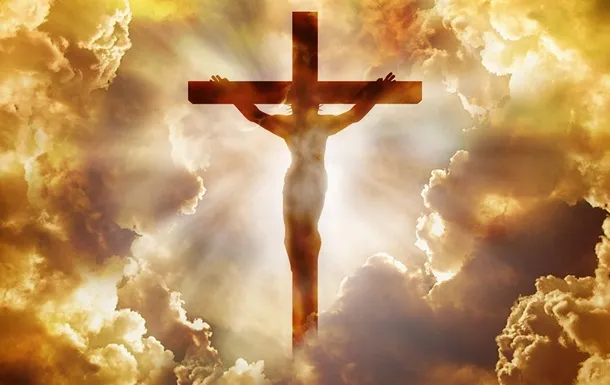
Good Friday is the saddest day of Holy Week. Almost two thousand years ago, on this day, Jesus Christ was crucified and buried on Calvary; therefore, Christians reflect on the self-sacrifice of the Son of God, thank him for it and sincerely repent of their own sins, for it was because of these sins that Jesus was crucified.
Good Friday traditions
Good Friday in 2026 falls on 10 April. Good Friday, also known as the Day of Suffering, the Great Friday, or the Holy Friday – according to Christian doctrine – is the day of the crucifixion of Jesus Christ. For believers, this is the most sorrowful day of Holy (Great) Week, two days before Easter. On this day, Christians commemorate the suffering and death of Jesus Christ on the cross, his removal from the cross, and his burial.
On this day, believers do not eat anything until the shroud is carried from the altar to the centre of the church. This usually takes place around two o’clock in the afternoon. Upon returning from church, the family sits down to lunch. Lunch on Good Friday is vegetarian; even fish is forbidden on this day. They mostly make do with vegetables: cabbage, potatoes and cucumbers.
It is believed that anyone who is overly cheerful on this day will spend the whole of the following year in tears.
What to do on Good Friday
First and foremost, on Good Friday, Christians should pray. Sincere prayers will help one repent of one’s sins.
Although one is not allowed to work on Good Friday, housewives are permitted to bake Easter cakes. It is believed that bread baked on this day never goes mouldy and even possesses healing properties. It was customary to keep one of the Easter cakes for the whole year, and sometimes it was even used as a remedy for illnesses.
What not to do on Good Friday
Many Ukrainians wonder whether it is permissible to do housework on this day. The answer is unequivocal: no. It has long been the custom to finish all household chores on Maundy Thursday, whereas on the Friday before Easter, one must not undertake any physical labour.
Nor should you work the land, as it is forbidden to ‘pierce’ the earth with iron objects. By this rule, our ancestors, of course, meant seasonal work in the vegetable garden.
Remember: whatever you sow or plant on Good Friday will not grow, so do not waste your energy and do not sin.
Another important custom on Good Friday is abstaining from food. On this day, you must observe a fast, and if your health does not permit this, you should eat only vegetarian food.
Finally – do not dare to have fun or celebrate on Good Friday. Singing, dancing and other festivities are best postponed until the end of Lent. There is a reason why folk wisdom says: ‘Whoever laughs on Good Friday will cry all year round’.
Superstitions for Good Friday:
Our ancestors believed that if you brought 12 lit candles home from the service on Good Friday and placed them around the house, this would surely bring prosperity and good fortune to the home.
There is a belief that a person who completely abstains from food and water will know the time of their death three days in advance.
It is strictly forbidden to do laundry: if you hang out the washing, traces of blood will appear on it.
On Good Friday, one must not spit on the ground. Folk omens say that anyone who spits on the ground will be shunned by all the saints for the whole year.
There is a belief for mothers: on this day, you can wean a child from breastfeeding, and then the little one will be healthy all year round.