The Czech President has called for the next two months to be used to launch negotiations between Ukraine and Russia

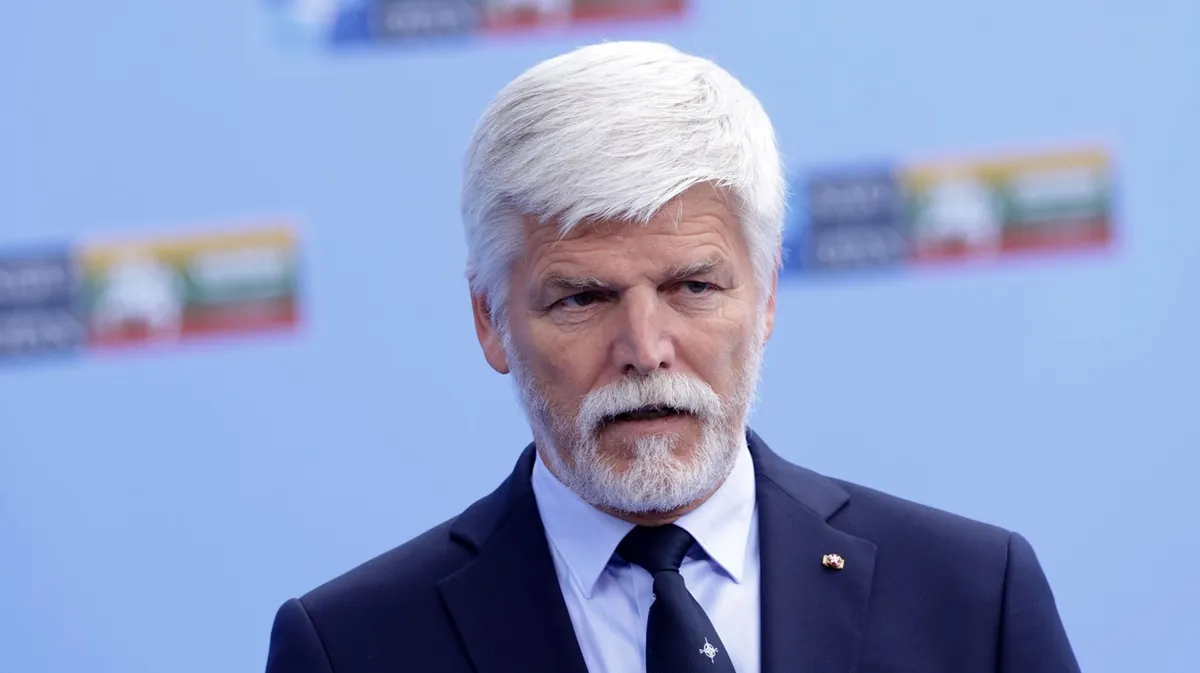
Czech President Petr Pavel has stated that Ukraine and its allies have the next two months to capitalise on the current situation to advance peace talks with Russia. In an interview with The Telegraph, he suggested that following the parliamentary elections in Russia, scheduled for 20 September, Vladimir Putin may declare a general mobilisation.
According to Pavel, the Russian leadership is unlikely to take such a step before the elections, but once they are over, the scope for a diplomatic settlement may narrow.
“I believe there is currently a window of opportunity to continue applying pressure and to send a clear signal to Russia that we are ready to begin negotiations,” he said.
The Czech President noted that Russia is currently facing a number of domestic problems, and public attitudes towards the war are increasingly shifting. In his view, if Ukraine continues to carry out successful strikes on targets deep within Russian territory, and international pressure is maintained, this could prompt Moscow to enter into negotiations.
Pavel emphasised that allies must continue to provide Ukraine with the necessary defence assistance whilst, at the same time, using diplomatic channels to convince Russia that negotiations are its only way forward.
“I believe that we must continue to act decisively, provide Ukraine with everything it needs for a successful defence, and at the same time use every diplomatic avenue to convince Russia that it has no choice but to negotiate,” said the Czech President.
He pointed out that Ukrainian drones had recently carried out strikes on Moscow, attacked Russian tankers which were reportedly attempting to deliver fuel to Crimea, and struck a large oil refinery in Western Siberia.
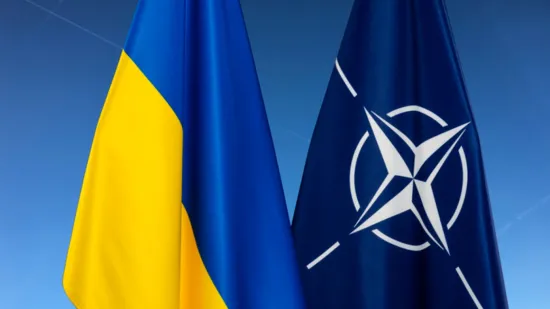
According to Pavel, during the NATO summit in Ankara, the allies achieved three main objectives. They reaffirmed their intention to increase defence spending and arms production, demonstrated unity, and reaffirmed their support for Ukraine.
The Czech President noted that the North Atlantic Council meeting had passed without incident. He said that the issue of Greenland had not been raised during the meeting.
Pavel also said that at the end of the meeting, US President Donald Trump thanked the allies and spoke highly of the atmosphere of the meeting.
He added that specific proposals to increase the supply of air defence systems to Ukraine were discussed at the summit, in particular the Norwegian initiative to procure additional surface-to-air missiles.
Pavel emphasised that demand for missiles for air defence systems already exceeds the defence industry’s production capacity. According to him, NATO is working to coordinate the long-term demand of Alliance countries so that manufacturers can increase production.
He also proposed the concept of a ‘Defence Strategy 3.0’, which envisages building up stocks of cheaper, long-life weapons and maintaining production capacity for more expensive systems, in particular long-range missiles and interceptor missiles.
The Czech President also noted that his country is involved in talks with France regarding the possible creation of a European nuclear umbrella.