The Czech Republic will not contribute to the €70 billion NATO package for Ukraine: Babiš cited an exception

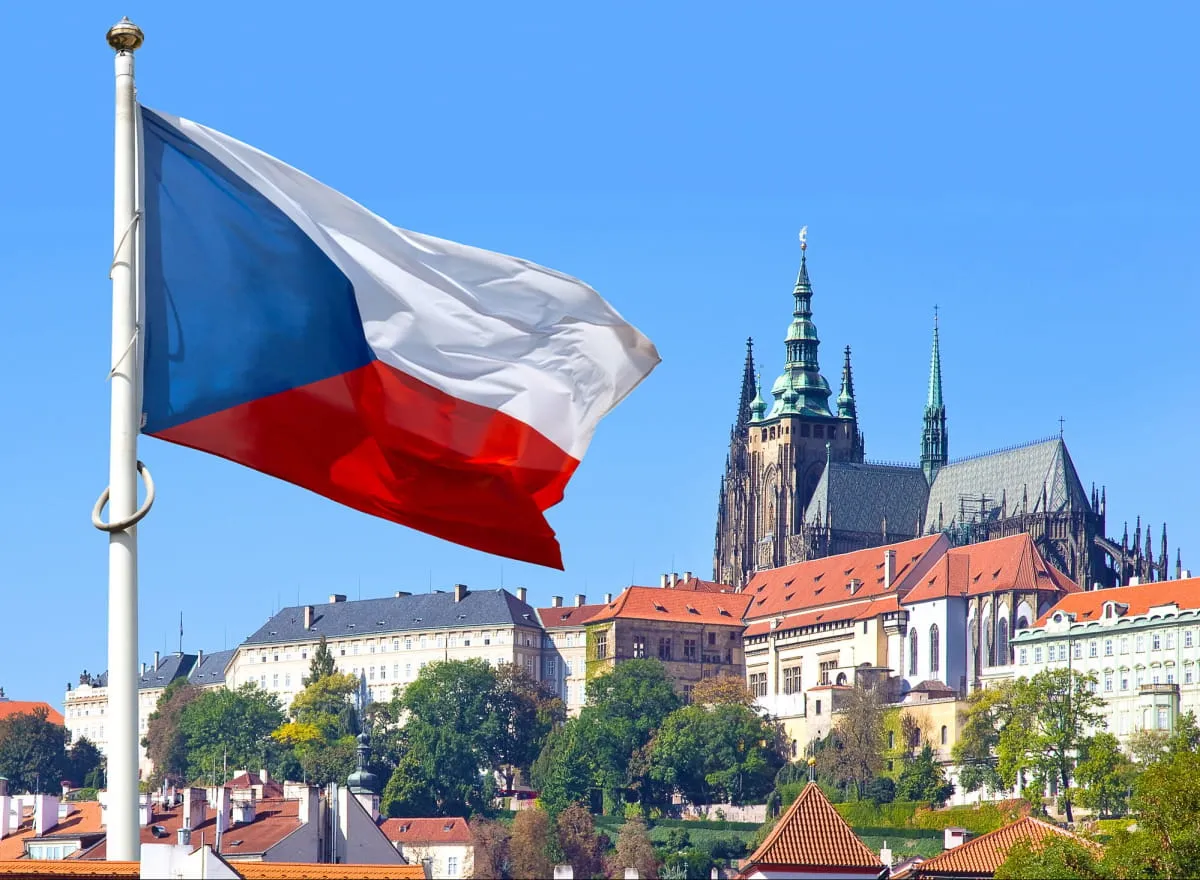
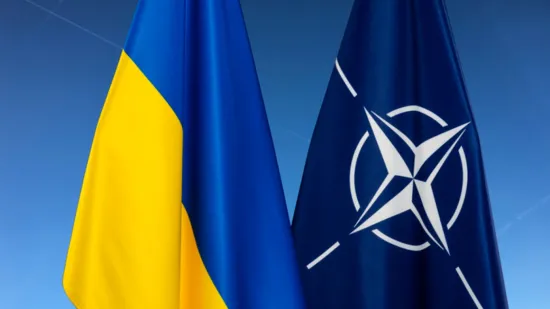
Czech Prime Minister Andrej Babiš has stated that his country will not contribute to the €70 billion military aid package for Ukraine.
According to Reuters, NATO allies have agreed to support Ukraine in 2026 and to maintain aid levels at least at the same level in 2027.
“We appreciate that each country will decide this for itself. We will not be contributing to this sum,” said Babiš.
At the same time, the Czech Republic is not completely ruling out participation in support for Ukraine. Babiš stated that the country would make a small one-off contribution within the framework of the Prioritised Ukraine Requirements List. This is a mechanism that provides for the supply of US weapons to Ukraine.
In effect, Prague will not block the overall NATO aid package, but does not wish to shoulder a share of the funding specifically within the €70 billion figure.
This is an important political signal, as the Czech Republic was previously one of the most active countries in providing military support to Ukraine. In particular, Prague played a prominent role in the initiative to procure ammunition for the Ukrainian army.
The Babiš government’s position differs from that of the previous Czech government. His cabinet came to power in December and had previously stated its intention to scale back military support for Ukraine.
What else did the Czech Prime Minister say?
Babiš also stated that, against the backdrop of the war in Ukraine and tensions surrounding Iran, Europe needs to focus more on its own defence solutions.
He specifically mentioned joint projects in the field of ballistic missile defence. According to him, such solutions should be one of the priorities for European security.
Why this is a sensitive issue for NATO
The Czech Republic has recently fallen short of its NATO defence commitments. According to Reuters, the country failed to meet the target of spending 2 per cent of GDP on defence last year. Babiš acknowledged that Prague is unlikely to meet this target this year either, but plans to reach the required level next year.
Earlier, Reuters also reported that Babiš’s government had cut defence spending in the 2026 budget, which prompted concerns from the US and Czech President Petr Pavel.
Even before the NATO summit, Babiš had stated that the Czech Republic would not block the decision on €70 billion in military aid to Ukraine. However, it was also made clear at the time that Prague did not plan to contribute funds from its own budget towards this initiative.
Furthermore, following Babiš’s return to power, the Czech Republic had already refused to provide guarantees for funding for Ukraine under the European loan facility. Reuters reported that Prague, along with Slovakia and Hungary, had not joined the financial guarantees for the EU loan to Ukraine.
Despite the government’s stance on the NATO package, the Czech Republic continues to participate in specific formats of support for Ukraine. In particular, Prague has informed the Council of Europe of its readiness to join the expanded partial agreement required to establish the Special Tribunal on the crime of aggression against Ukraine.
Ukrainian military pilots are also set to begin training on ten new ALTO NG training aircraft, which Ukraine received with the support of the Air Power Capabilities Coalition, the Czech government and the Dárek pro Putina foundation.
Follow us on Telegram.