The EU is discussing extending the deadline for renewing sanctions against Russia
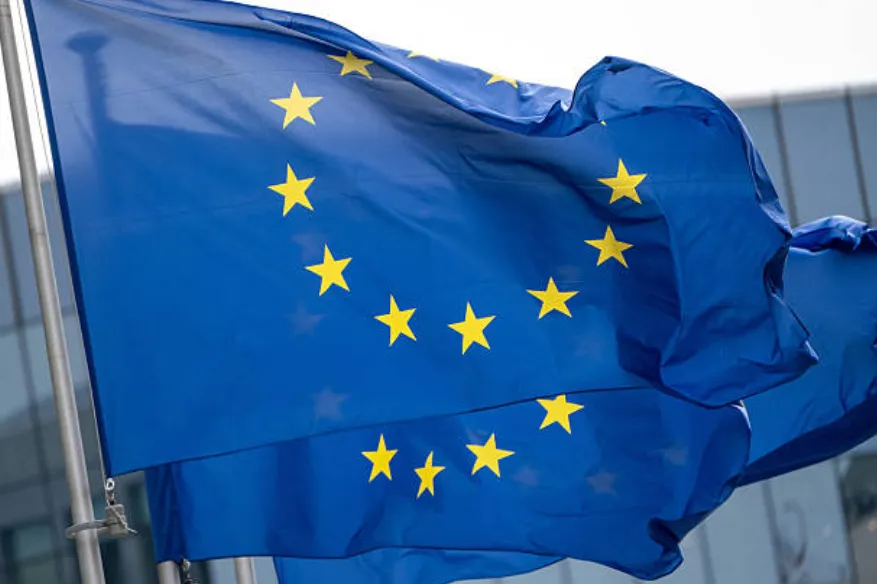
EU leaders plan to discuss the possibility of extending the period for the renewal of sanctions against Russia from six months to one year during a summit in Brussels next month.
This was reported by five diplomats and European officials familiar with the negotiations, according to Politico.
The idea of extending the sanctions without the need for a six-monthly review was discussed behind closed doors last week during preparations for the summit, which is due to take place in mid-June.
Brussels believes that an annual cycle of sanctions renewal will strengthen the political and legal stability of the EU sanctions regime, introduced following Russia’s full-scale invasion of Ukraine in 2022.
According to diplomats, several representatives from northern European countries raised this issue during last week’s meeting. Discussions will continue this week and next ahead of the EU General Affairs Council meeting on 26 May.
EU sanctions require the unanimous support of all member states. A single vote against could block the renewal of the 20 existing packages of restrictions targeting the Russian economy and the Kremlin’s inner circle.
Over the past four years, diplomats have been forced to renegotiate sanctions every six months, risking the collapse of agreements.
According to sources, this mechanism gave former Hungarian Prime Minister Viktor Orbán, who stepped down after losing last month’s election, additional leverage.
Orbán has repeatedly clashed with Brussels and used his veto to block EU decisions on foreign policy.
Prior to the Hungarian elections, he held up approval of a €90 billion loan to fund Ukraine’s defence, accusing Kyiv of delaying repairs to the oil pipeline that transports Russian oil to Hungary and Slovakia.
After Péter Magyar became Hungary’s new prime minister, the veto was lifted.
Brussels is also working on the 21st package of sanctions against Russia.
Two diplomats reported that a separate package of sanctions against Russia’s ‘shadow fleet’ could be presented ahead of the EU leaders’ summit. Another source noted that the new restrictions could target the Russian defence industry.
The European Commission will offer member states a choice between extending the mechanism for renewing sanctions to 12 months or maintaining the current system.
Following this, European Council President António Costa is set to discuss the matter with EU leaders in June.
At the same time, diplomats acknowledge that the change of government in Hungary does not guarantee automatic support for the initiative. Slovak Prime Minister Robert Fico previously supported Orbán’s position, and Czech leader Andrej Babiš also sided with him.
Despite this, Brussels hopes that without Orbán, resistance to the sanctions will be less.