The Kremlin is preparing Russians for the end of the war without the previously announced ‘great victory’

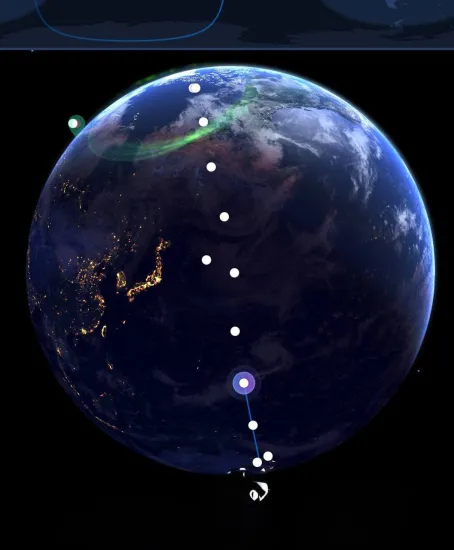
Over the weekend, Ukraine launched a massive drone attack on Moscow and the surrounding areas. According to The Telegraph, more than 500 drones were launched at the Russian capital and the surrounding region.
Despite new restrictions on the publication of information about drone attacks, residents of Khimki, Mytishchi and Krasnogorsk shared videos on social media showing smoke and drones flying over the Moscow suburbs. This is the first sustained Ukrainian attack on Moscow since the start of the war.
Strikes were also carried out on Russian oil refineries, pipelines and export terminals deep within Russian territory.
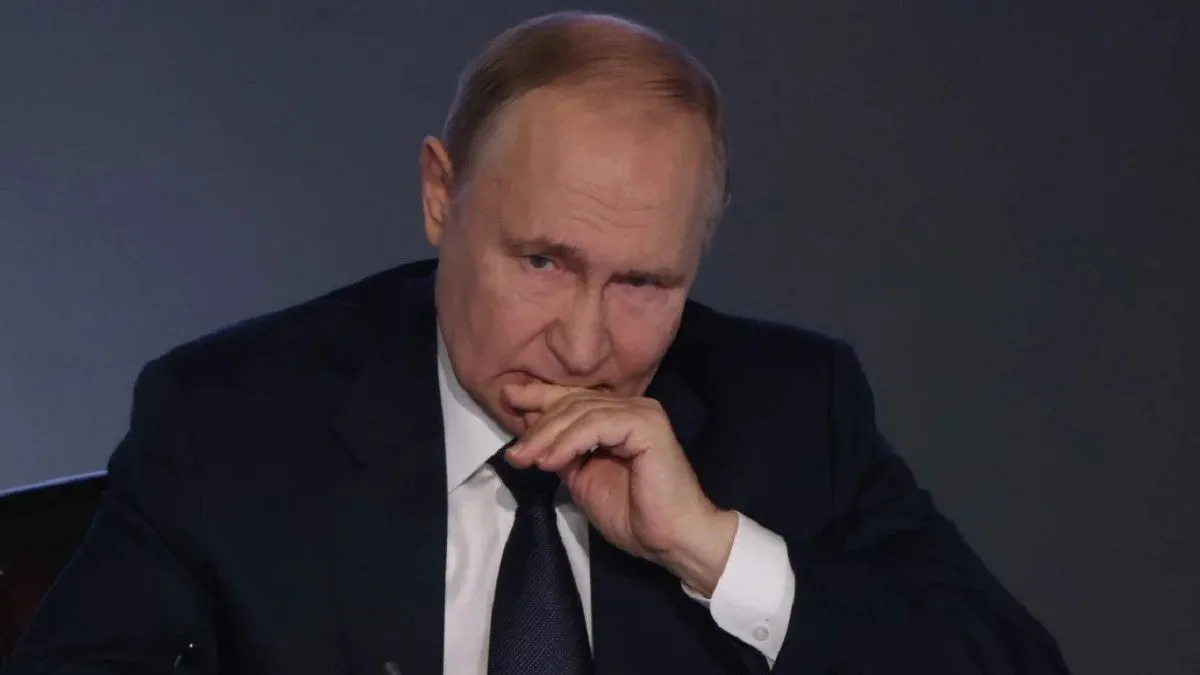
Following the 9 May parade, Vladimir Putin hinted for the first time that the war might be drawing to a close. He told journalists that “the matter is nearing completion”, but added that “a great deal of preparatory work still needs to be done”.
However, it is unclear whether this refers to the Kremlin’s readiness for a peace deal or preparations for a new summer offensive.
Former Russian diplomat Boris Bondarev, who left the service after the start of the full-scale invasion, stated that the Russian elite had found itself in “a kind of trap of its own making”. According to him, the FSB’s system of internal control and surveillance has destroyed trust within the Russian elite, making any conspiracies or attempts to influence the authorities virtually impossible. Bondarev also believes that the modern Russian political system is largely tied to one man, and its stability depends directly on Vladimir Putin.
Economic pressure and sanctions have not led to a split among the Russian elite. On the contrary, fears of chaos and systemic collapse, according to Bondarev’s assessment, have only strengthened the political system’s dependence on the current authorities.
Separately, the authors mention the leak of a document related to the preparation of scenarios for post-war Russia. According to this information, a team led by Sergei Kirienko, Deputy Head of the Presidential Administration of the Russian Federation, is preparing guidance for state media on how to explain to the public the end of the war without achieving the goals declared by the Kremlin.
Scenarios are also being considered for ‘neutralising’ radical pro-war supporters who might perceive a possible end to the conflict as a defeat or betrayal.
At the same time, Vladimir Putin himself is not demonstrating a clear strategy for ending the war, and his inner circle lacks any real means of influencing decision-making.