The Pentagon may cancel the transfer of Tomahawk missiles to Germany for fear of Russia's reaction

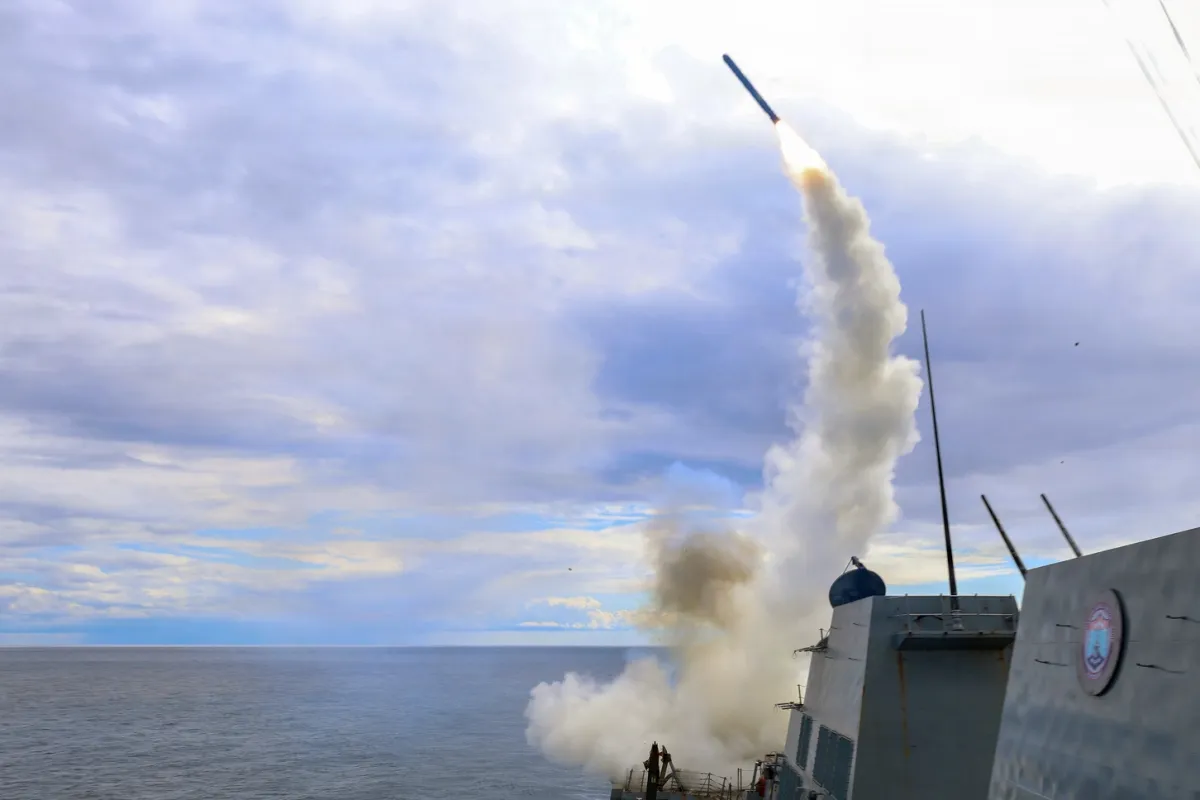
This is reported by Politico, citing two European and one American official. According to Reuters, the German Ministry of Defence had previously stated that there was no definitive cancellation of the deployment of American long-range systems in Germany.
The Pentagon is likely to scrap plans to transfer Tomahawk cruise missiles to Germany. One of the reasons cited in the US is the fear that Moscow might view such a deployment as an escalation.
According to Politico, US officials fear a possible reaction from Russia if Donald Trump’s administration goes ahead with the plan to deploy precision-guided missiles in central Europe.
This refers to an agreement that was being prepared under the Joe Biden administration. If Washington ultimately refuses to proceed with the transfer, Berlin will be left without the weapons that German officials consider necessary to deter Russia.
Why the US might abandon the Tomahawk
Politico reports that fear of Moscow’s reaction is not the only reason for a possible review of the decision.
US officials may also be taking into account the depletion of their own weapons stocks. The US used up thousands of Tomahawk and Patriot missiles in the first weeks of the war with Iran.
US Defence Secretary Pete Hagset previously told Congress that it could take “months and years” to replenish the spent munitions.
A problem for Germany
For Berlin, the possible cancellation of the Tomahawk transfer would be a serious blow to its plans to modernise the army.
Chancellor Friedrich Merz had previously acknowledged that he did not expect American Tomahawks to be deployed in Germany due to the limited availability of these missiles.
“The Americans themselves don’t have enough of them at the moment,” he said on German public television.
German Defence Minister Boris Pistorius also stated that Berlin submitted an official request to the US to purchase Tomahawks a year and a half ago, but is still awaiting a response.
A broader US withdrawal from NATO
Politico links the likely review of the missile agreement to a broader reduction in the US military presence in Europe.
According to the publication, the US has already cancelled the deployment of 5,000 troops to Germany and is considering withdrawing some of its air, naval and drone forces.
The Financial Times also reported that Washington has proposed significantly reducing its contribution to NATO’s rapid reaction forces. This involves the possible withdrawal of some aircraft carrier, submarine, patrol and air force components, which has caused concern among European allies.
The commander of NATO forces in Europe, General Alexus Grinkevich, told military leaders this week that Europe could “strengthen itself now and in the near future”, whilst the US would “refocus” some of its equipment and forces on other areas.
What Europe is doing
German officials are already exploring European alternatives to fill the gap in long-range precision strikes.
According to the Financial Times, Berlin has stepped up efforts to acquire American Tomahawk missiles and Typhon launchers after the US revised its plans to deploy a long-range battalion in Germany. At the same time, experts believe that securing Washington’s approval under current conditions will be difficult.
Drones and cheaper systems may help to some extent, but German military planners do not consider them a complete replacement for Tomahawk-class missiles.
Why this matters for Europe
Russia already has long-range capabilities in the region. In particular, Iskander missiles are deployed in the Kaliningrad region, and Oreshnik medium-range missiles in Belarus, capable of reaching European targets in a matter of minutes.
This is precisely why the countries of Central and Eastern Europe are closely monitoring US decisions regarding its military presence on the continent.
The possible cancellation of the transfer of Tomahawk missiles to Germany will send a signal not only to Berlin but to the whole of NATO: Europe will have to close its defence gaps more quickly using its own resources.
Follow us on Telegram