The US Congress is drafting a bill to impose tariffs of up to 100 per cent on buyers of Russian energy resources
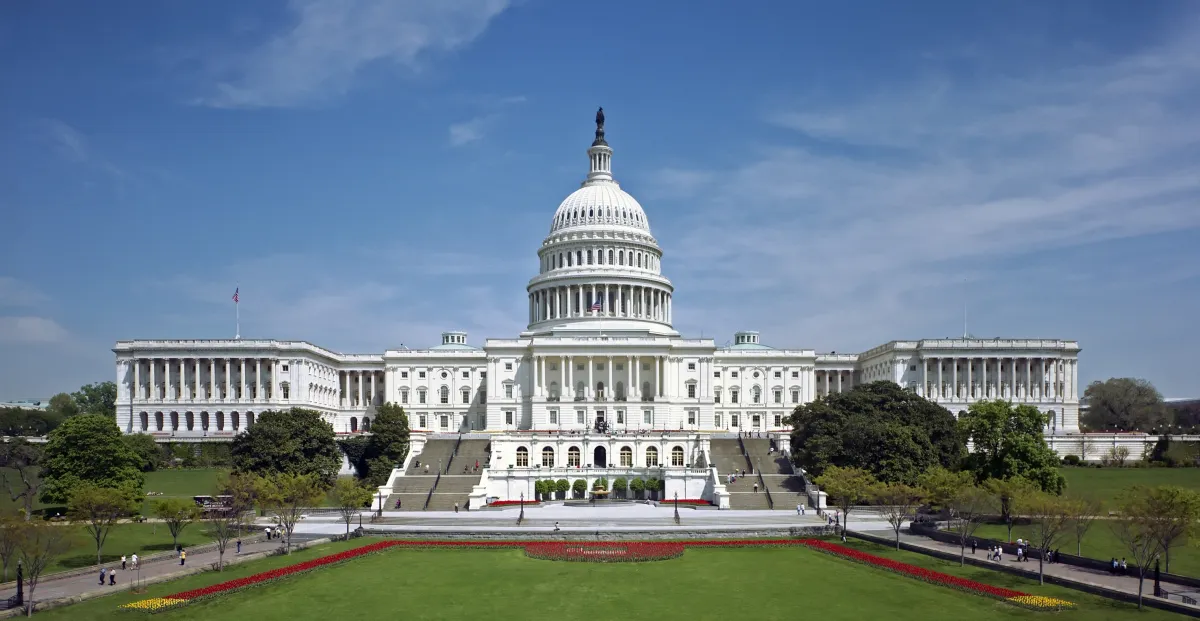
The US Congress may table a bill as early as this week that would grant President Donald Trump the power to impose tariffs of up to 100 per cent on the five largest buyers of Russian oil and gas. This is according to The Wall Street Journal, citing informed sources.
According to the document, the measures are likely to affect China and India the most. The bill would allow the US President, at his own discretion, to impose tariffs on specific countries and companies that purchase or facilitate the purchase of Russian energy resources.
In addition to tariffs, the bill provides for sanctions against companies in Russia’s defence, energy and financial sectors, as well as against the so-called ‘shadow fleet’, which is used to circumvent Western restrictions. According to the publication, the bill is the result of more than a year of negotiations between a bipartisan group of senators and the White House administration.
Initially, much tougher measures were discussed, including the imposition of 500 per cent tariffs on all countries purchasing Russian oil, gas, uranium and other resources. However, Donald Trump’s administration insisted on watering down the initiative to give the president greater leeway in negotiations to end the war in Ukraine. Ultimately, a compromise was agreed upon, which received the support of Republicans, Democrats and the White House.
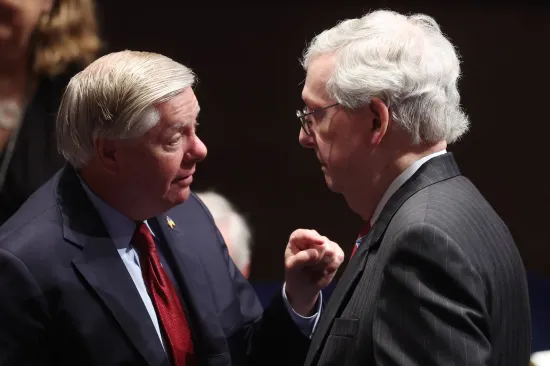
The bill was sponsored by Republican Senator Lindsey Graham and Democratic Senator Richard Blumenthal. Following Lindsey Graham’s death on 11 July, his colleagues announced their intention to secure the bill’s passage in his honour. Senate Republican Majority Leader John Thune described Graham as the driving force behind this legislative initiative and expressed his hope that Congress would see it through to adoption.
Commenting on the bill, Donald Trump said: “We are discussing this.”
However, according to The Wall Street Journal, procedural issues are currently holding up the bill’s progress. In particular, under the ‘blue-print’ rule, bills that could increase budget revenue through tariffs must first be considered by the House of Representatives.