The US is discussing the expansion of its nuclear forces in European countries

The United States is discussing the possibility of expanding the deployment of nuclear forces to additional NATO countries in Europe. According to the Financial Times, US officials have signalled a willingness to consider new options beyond the six countries already participating in the Alliance’s relevant mechanisms.
The talks are confidential and do not currently guarantee any changes to existing agreements on nuclear deterrence. At the same time, they are taking place against a backdrop of concern among European allies over the Trump administration’s decision to reduce the presence of US troops and certain weapons systems in Europe.
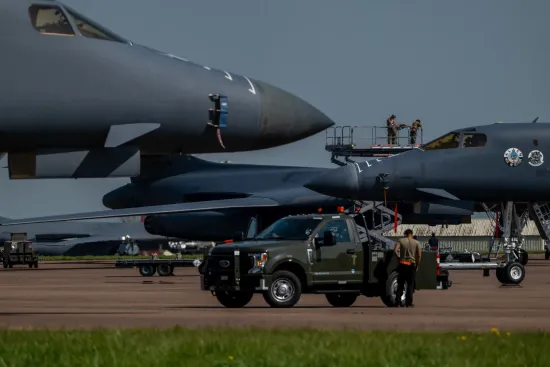
This concerns the possibility of expanding the network of bases for so-called dual-use aircraft capable of deploying nuclear weapons. According to the publication’s sources, the willingness to engage in such consultations is intended to reaffirm the preservation of the US nuclear umbrella for allies, even despite expectations that European countries will shoulder the bulk of the costs for conventional defence.
The countries on NATO’s eastern flank, particularly Poland and certain Baltic states, are showing the greatest interest in the potential deployment of such infrastructure.
In Poland, the issue has been raised on numerous occasions at an official level. Former President Andrzej Duda publicly called for the expansion of the programme to deploy dual-use aircraft on Polish territory. Furthermore, Warsaw has joined a French initiative to explore the possibility of temporarily deploying elements of French nuclear deterrent forces in allied countries.
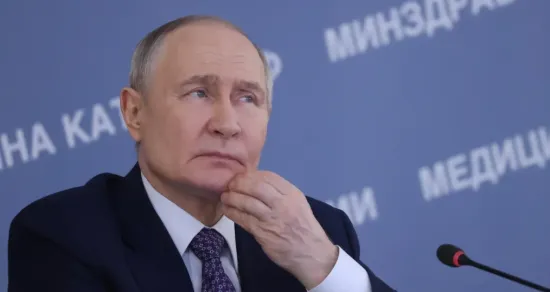
According to sources, discussions are ongoing within NATO, with the greatest interest being shown by states located near Russia’s borders. Russia’s full-scale war against Ukraine and Russian President Vladimir Putin’s statements regarding Russia’s nuclear capabilities have been additional factors.
At the same time, the publication’s sources note that an agreement on expanding the programme is not yet imminent.
Currently, the NATO nuclear sharing programme includes Belgium, Germany, Italy, the Netherlands, Turkey and the United Kingdom. These countries host US dual-use aircraft and nuclear munitions, which remain under US control. The final decision on their use rests solely with Washington.
According to NATO’s approach, this system allows non-nuclear-weapon states to participate in shaping the Alliance’s nuclear policy without building their own nuclear arsenal.
Washington’s recent decisions regarding the review of its military presence in Europe have caused concern among allies, who fear a weakening of the continent’s defence capabilities. At the same time, US nuclear guarantees are considered a key element of the deterrence system.
NATO Secretary General Mark Rutte stated after a meeting of the Alliance’s foreign ministers that there is a shared understanding among allies of the need to maintain the current level of deterrence and defence in Europe, even if the United States were to focus more attention on other regions of the world.
“Let me be absolutely clear. If anyone rashly dares to attack us, the response will be devastating,” Rutte emphasised.