Trump has reached an impasse in his efforts to resolve the conflicts in Ukraine, Iran and Gaza

US President Donald Trump has repeatedly emphasised the importance of swift and decisive decisions in international politics. Following the strikes on three Iranian nuclear sites, he cited this scenario as an example of a successful operation. He also cited Venezuela as an example of a rapid change in the political situation through the removal of an undesirable leadership and its replacement with one more loyal to Washington.
However, the Trump administration is currently facing protracted and complex processes on several fronts, reports the NYTimes.
Following the announcement on 7 April of the cessation of hostilities around Iran, Trump stated that the conclusion of operations depended on the full, immediate and safe opening of the Strait of Hormuz. However, this condition has not been met. Even if shipping is resumed under the memorandum, which is still at the negotiation stage, the issues of Iran’s nuclear and missile programmes remain the subject of further talks.
According to experts, Tehran is counting on Washington’s reluctance to return to large-scale hostilities and may drag out the negotiation process for a long time.
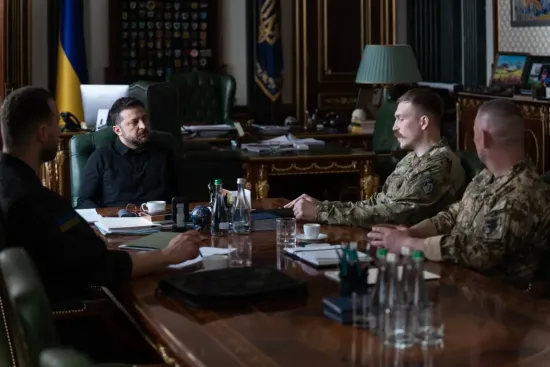
The situation regarding Russia’s war against Ukraine also remains complex. Donald Trump previously claimed that he would be able to end the conflict within 24 hours of taking office. However, 16 months after his inauguration, a peace agreement has not been reached.
US Secretary of State Marco Rubio recently stated that he was tired of the endless negotiations and suggested the possibility of handing over the mediating role to another country.
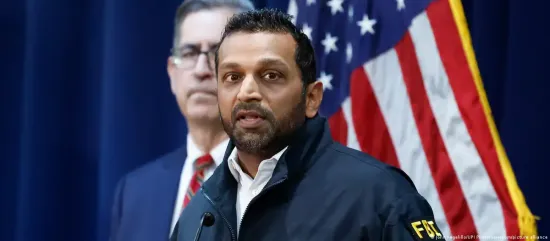
According to sources familiar with the progress of the consultations, the Russian side has expressed dissatisfaction with the periodic visits of US President’s Special Representative Steve Witkoff and Donald Trump’s son-in-law Jared Kushner. Moscow is advocating the creation of a stable diplomatic mechanism with permanent working groups and regular meetings. The Russian side is also awaiting the appointment of a new US ambassador to Russia, a post that has remained vacant for almost a year.
The situation in the Gaza Strip remains no less complex. Following the release of the last surviving hostages captured during the attack on 7 October 2023, Trump supported a plan that envisaged the disarmament of Hamas, the creation of an international stabilisation force and the large-scale reconstruction of the region.
Eight months after these statements, Hamas has not been disarmed. Despite an increase in humanitarian aid, many Palestinians continue to live in tents, and the destroyed infrastructure remains unrepaired. Last week, Israeli Prime Minister Benjamin Netanyahu announced the Israeli military’s intention to extend its control over approximately 70 per cent of the Palestinian enclave’s territory.
Some experts attribute the current situation to overly optimistic expectations regarding the US’s ability to influence complex international processes. One of the president’s close aides noted that the United States is effective at conducting military operations against specific targets, but is significantly less effective at controlling political processes in countries such as Iran, Russia and Ukraine.
Richard Fontaine, Director General of the Center for a New American Security, stated that foreign policy is usually a long-term and complex process. According to him, it is not high-profile statements that are decisive, but systematic work and the follow-up on agreements reached.
In a January interview, Donald Trump acknowledged the complexity of negotiations between Russian President Vladimir Putin and Ukrainian President Volodymyr Zelenskyy. He stated that there had been instances where agreements had fallen through due to one of the parties, even though it had initially seemed that a deal was close.
Since then, the US president has repeatedly predicted that agreements would be reached soon, yet the negotiations have ended without result on each occasion.
Former US diplomat Thomas Graham believes that a permanent negotiation mechanism, which does not currently exist, is necessary to end the war. In his view, isolated contacts between special representatives and the Russian leadership are insufficient to achieve a result.
The Iranian front also remains complex. During the Geneva talks in February, Steve Witkoff stated that Donald Trump did not understand why Tehran was not agreeing to the American terms. The US president himself described unconditional surrender as the only acceptable outcome at the time.
Following the conclusion of the first phase of hostilities, Iran did not abandon its uranium enrichment and missile development programmes. The Trump administration is now attempting to combine incentives, threats and new demands to bring the parties back to the negotiating table.
Former US National Security Adviser Jake Sullivan stated that Washington had already applied military pressure, a blockade and diplomatic coercion against Iran, yet the situation remains unresolved.
According to Richard Fontaine, strikes might have temporarily resolved the issue of uranium enrichment, but broader questions regarding the existence of the Islamic Republic remain unresolved.
A similar situation has arisen in the Gaza Strip. Despite the earlier ceasefire between Israel and Hamas and the release of hostages, further stages of the settlement have effectively stalled. The new Palestinian administration proposed by the Trump administration has yet to begin work in the enclave, and the ‘Peace Council’ project, which was intended to coordinate reconstruction and investment, has not yet been put into practice. Israeli strikes on the Gaza Strip continue almost daily.