The US is considering categorising NATO allies according to their level of support and contribution

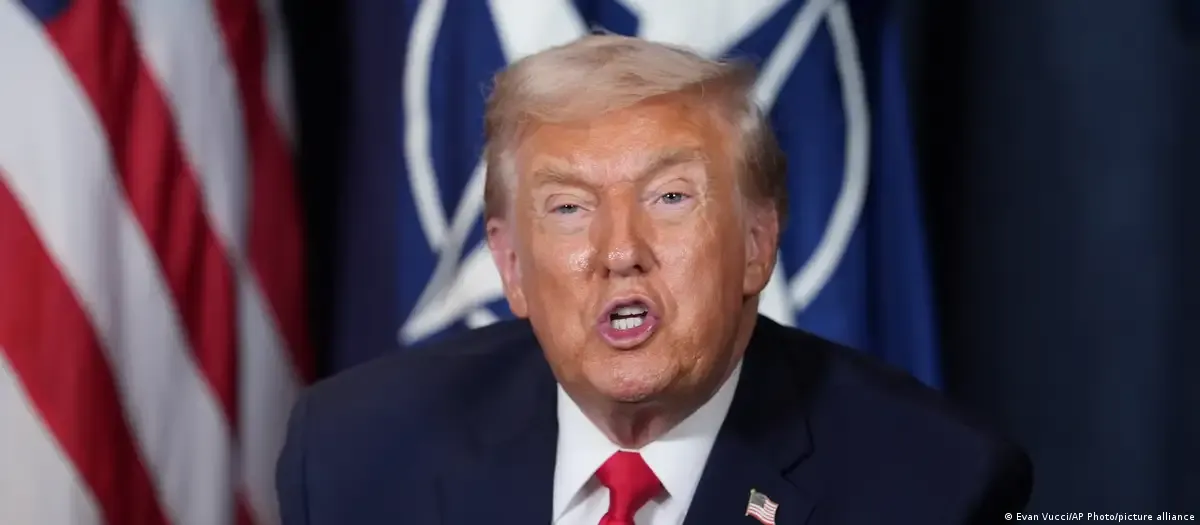
The administration of US President Donald Trump is considering ways to exert pressure on NATO allies who have not supported a military campaign against Iran. To this end, the White House has drawn up a list of countries assessing their contribution to the Alliance’s activities, according to Politico.
According to diplomatic sources and a representative of the US Department of Defence, this approach involves categorising states based on their participation in collective defence and their support for Washington’s decisions.
The idea is in line with the position previously voiced by US Defence Secretary Pete Hagset. He stated that allies who fulfil their obligations would receive special treatment, whilst others could face consequences.
Specific mechanisms for incentives or restrictions are not yet being disclosed. One European official noted that there are no clear decisions yet on punishing allies. Among the possible options being considered is the redeployment of US troops, though such steps could be complex and costly.
Changes in military cooperation, such as joint exercises or arms sales, could serve as another means of influence.
According to sources, certain countries may receive additional support. In particular, Poland and Romania remain among the states viewed favourably by the US administration. Poland is one of NATO’s largest defence spenders and covers a significant portion of the costs of maintaining US troops on its territory. Romania has made its bases available for use during operations.
At the same time, some allies, including Spain, the UK and France, have not supported or have postponed fulfilling US requests regarding participation in operations.
The Pentagon has stated that cooperation will be prioritised with those allies who fulfil their collective defence obligations. This is intended to encourage other countries to participate more actively.
However, some American politicians have expressed reservations about this approach. They emphasise the importance of allied relations and their strategic advantages.