Ukraine has called on NATO to step up its response to Russian drones and increase the pressure on Moscow through sanctions

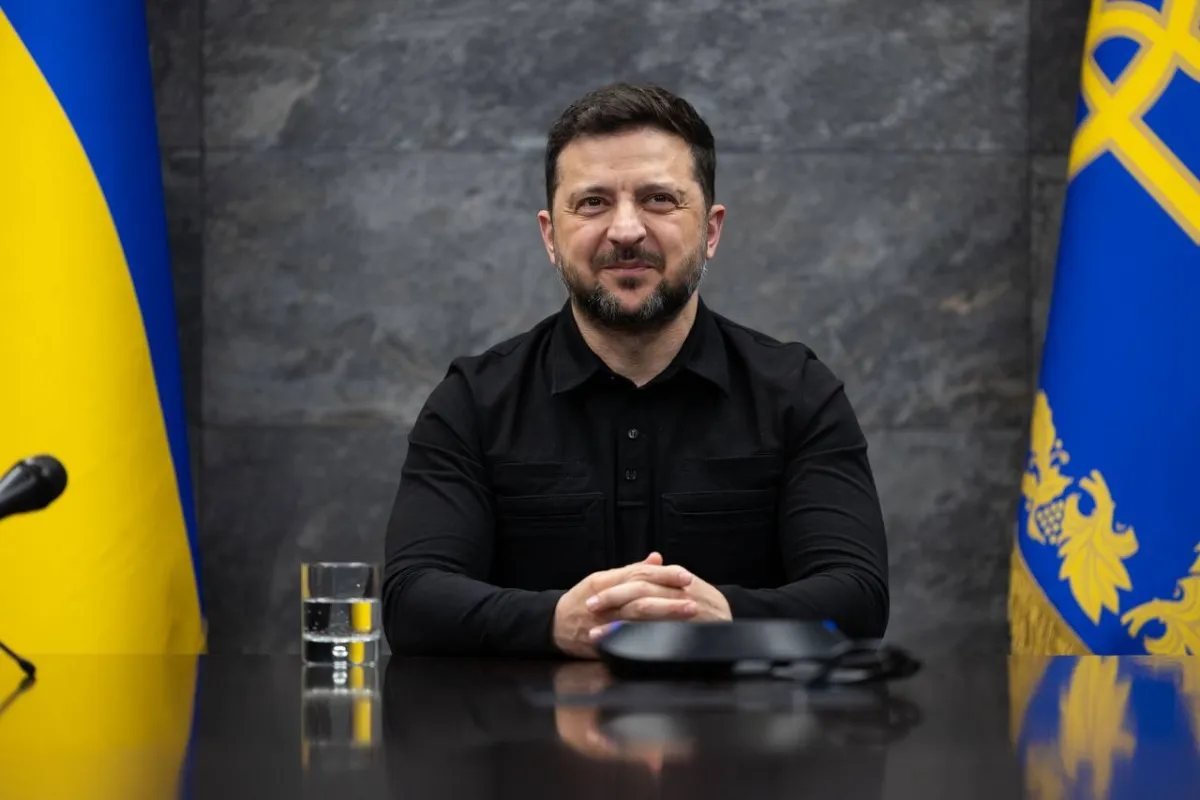
Ukraine is attempting to intercept all Russian drones, even when they are heading towards other countries, including Romania, Moldova, Poland and the Baltic states. If this proves impossible, the Ukrainian side immediately informs its partners and attempts to provide assistance, Volodymyr Zelenskyy said in an interview with *Face the Nation*.
In Kyiv, it is believed that Russia is using drones to put pressure on NATO countries and gauge their reaction. Such actions are seen as an attempt to send a signal to Ukraine’s allies not to support it. Russia is also testing the air defence capabilities of Alliance states bordering Russia or Belarus, particularly their ability to intercept missiles and drones.
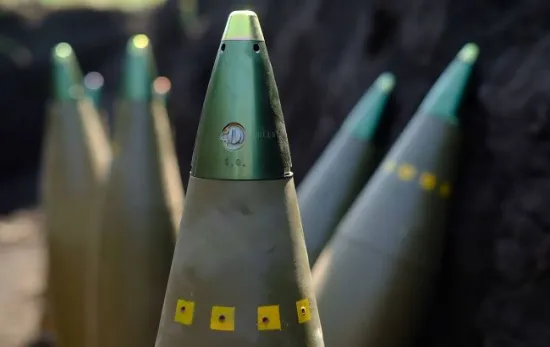
Separately, the issue of anti-ballistic missile production in the United States was raised. Current production volumes are insufficient to meet modern challenges, whilst Russia continues to ramp up production of its own ballistic missiles. In this regard, a letter was sent to the White House and the US Congress calling for a response to the situation.
According to Ukrainian estimates, the production of 60–65 anti-ballistic missiles per month does not meet current needs. Ukraine is also appealing to the US to grant licences for the production of Patriot missiles. In Kyiv, officials are convinced that increasing such production will help not only Ukraine but also countries in the Middle East and other US partners. US support remains essential until a European anti-ballistic missile system is established.
At the same time, the Ukrainian side believes that since December 2025, Russia has begun to lose the initiative on the battlefield. In January 2026, American partners were informed of an assessment that a window of opportunity for negotiations had opened, as Russia would be losing an increasing number of troops each month. Currently, according to this assessment, Russian forces are unable to occupy more territory in a month than Ukraine is liberating.
In this regard, Kyiv considers it necessary to seek a diplomatic solution and to begin the negotiation process before the start of next winter. At the same time, the prospects for such a dialogue are linked to internal pressure on Vladimir Putin, as well as sanctions from the US and Europe.
Among the possible European representatives at the talks, the E3 format has been mentioned, comprising the UK, France and Germany. Northern European countries and Turkey, which previously participated in the repatriation of Ukrainian prisoners of war, are also mentioned. According to Kyiv, the final decision on European representation should be made by Ukraine and European states, but this requires Russia’s willingness to engage in dialogue and the participation of the European side.
It is specifically emphasised that lifting sanctions would amount to supporting the Russian military by aiding Russia’s defence industry. Following the easing of certain restrictions, the expected changes in global oil, gas and diesel markets did not materialise. Kyiv believes that easing sanctions does not encourage a change in Russia’s behaviour, but is perceived by it as a sign of weakness. That is precisely why Ukraine is calling for the introduction of additional restrictions.
Ukraine is also seeking to conclude a large-scale bilateral Drone Deal with the United States. The American side has expressed interest in testing various types of Ukrainian drones for use in the air, on land and at sea, but a framework agreement has not yet been signed.
Ukraine already has similar Drone Deals with some countries in the Middle East and Europe, and is preparing a major agreement with the European Union. Kyiv hopes to reach similar agreements with the US.
The Ukrainian side emphasises that American companies possess cutting-edge artificial intelligence technologies, whilst Ukraine has unique experience in the use of unmanned systems in wartime conditions. This combination of capabilities is seen as the basis for creating one of the most powerful models of cooperation in the world. Further negotiations and a corresponding decision by US President Donald Trump are required to implement this project.