Ukraine is launching a ‘transport visa-free regime’ with Bosnia and Herzegovina

Katerina Melnychenko
Katerina Melnychenko Deputy Editor-in-Chief
Ukraine is launching a ‘transport visa-free regime’ with Bosnia and Herzegovina

the launch of a ‘transport visa-free regime’ between Ukraine and Bosnia and Herzegovina
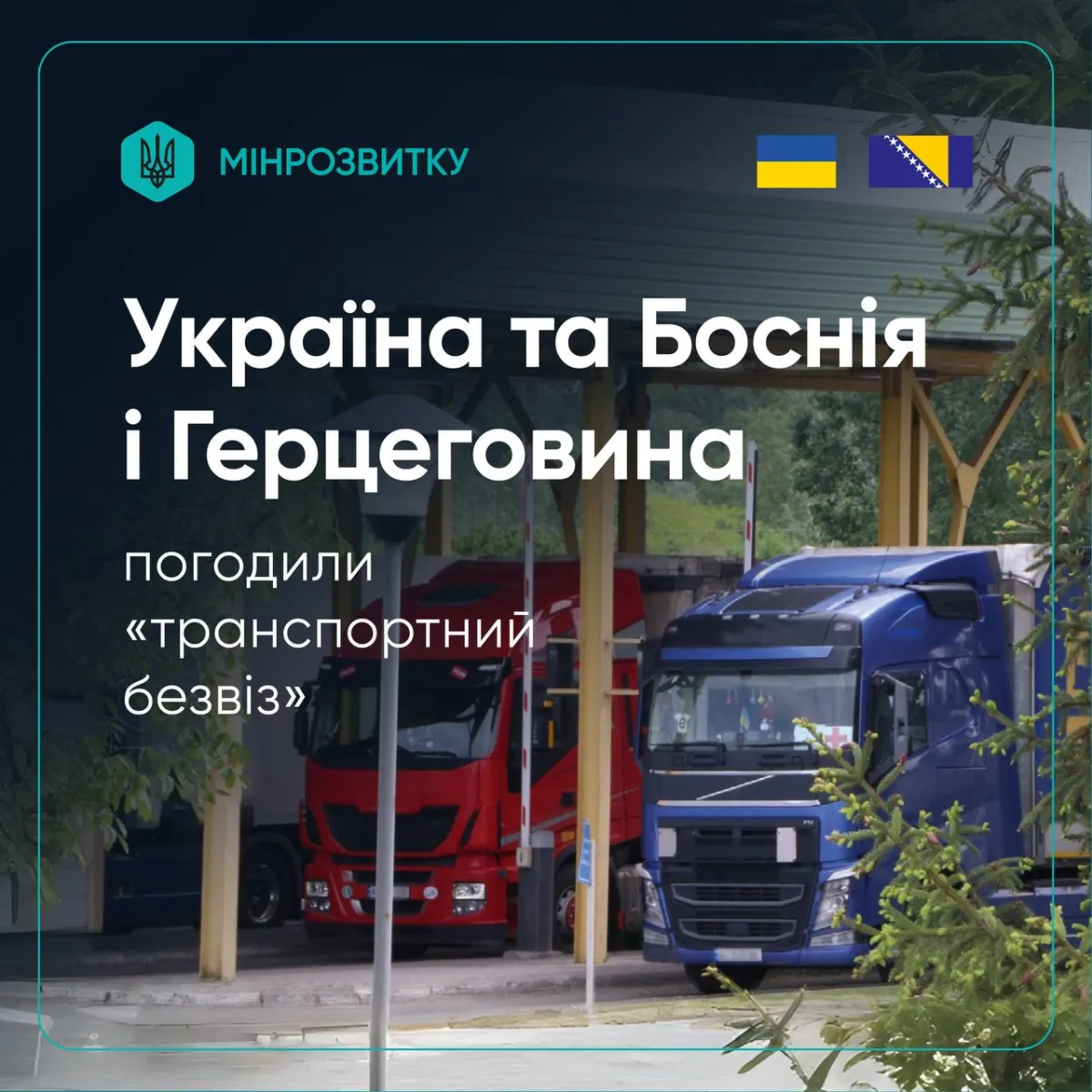
Ukraine and Bosnia and Herzegovina have agreed to introduce a ‘transport visa-free regime’ for freight transport. From 1 January 2027, bilateral and transit freight transport between the two countries will be carried out without permits.

This was announced by Oleksiy Kuleba, Ukraine’s Deputy Prime Minister for Recovery and Minister of Community and Territorial Development.

Ukraine and Bosnia and Herzegovina have agreed to launch a “transport visa-free regime” for freight transport.

The agreement was reached during the first meeting of the Joint Commission on International Road Transport in Sarajevo.

From 1 January 2027, bilateral and transit freight transport between Ukraine and Bosnia and Herzegovina will be carried out without permits.

Ahead of the full implementation of the liberalisation, the parties also agreed to increase the quota of permits for freight transport by the end of 2026.

According to Oleksii Kuleba, this is another step towards simplifying international logistics for Ukrainian carriers, supporting exports and integrating Ukraine into the European transport area.

He also noted that over the last 10 years, trade between Ukraine and Bosnia and Herzegovina has increased fivefold.

The liberalisation of freight transport is expected to strengthen economic cooperation between the countries.

Currently, the scope of liberalised freight transport for Ukraine already covers 35 countries.

Bosnia and Herzegovina will become the 36th country on this list.

As reported by ThePublic, on 7 April the Verkhovna Rada adopted European integration bill No. 12221, which harmonises the field of accreditation and technical regulation with EU law. This is one of the key steps towards the future DCFTA, but the “industrial visa-free regime” for Ukrainian goods has not yet come into effect.

Follow us on Telegram

Share tittle
Politics
In Kirov, following the strike on the ‘Avitek’ factory, locals are accusing the authorities of covering up the losses
Politics

In Kirov, following the strike on the ‘Avitek’ factory, locals are accusing the authorities of covering up the losses

On the morning of 24 July, the Russian city of Kirov came under rocket attack. According to preliminary reports, the strike hit ‘Avitek’, a company belonging to the Russian military-industrial complex. Following this, local residents began accusing the authorities of failing to issue a warning of the danger, providing inadequate protection for workers and possibly concealing the true number of fatalities.

26.07.2026
British intelligence expects Russia to carry out a provocation against NATO
Politics

British intelligence expects Russia to carry out a provocation against NATO

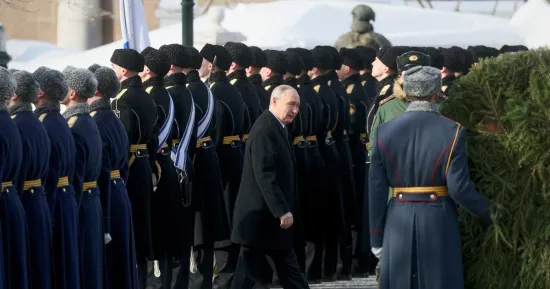
British intelligence believes that the Kremlin may resort to a direct provocation against NATO in the coming months. According to sources, Russian President Vladimir Putin may attempt to test the reaction of the new UK government, as well as take advantage of the fact that US President Donald Trump’s attention is focused on the situation surrounding Iran

26.07.2026
Germany is seeking access to Ukrainian drone technology
Politics

Germany is seeking access to Ukrainian drone technology

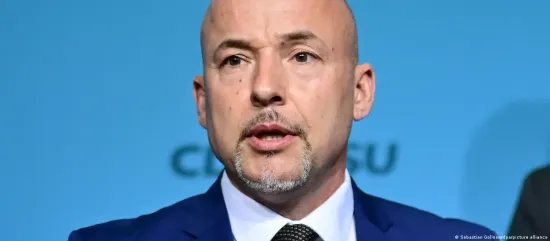
On 26 July, Alexander Hoffmann, chair of the Christian Social Union (CSU) regional group in the Bundestag, stated that Ukraine and Germany should conclude an intergovernmental agreement on cooperation in the field of unmanned technologies. In his view, this would give Berlin access to Ukrainian defence developments

26.07.2026
EU countries will be able to sell confiscated Russian oil
Politics

EU countries will be able to sell confiscated Russian oil

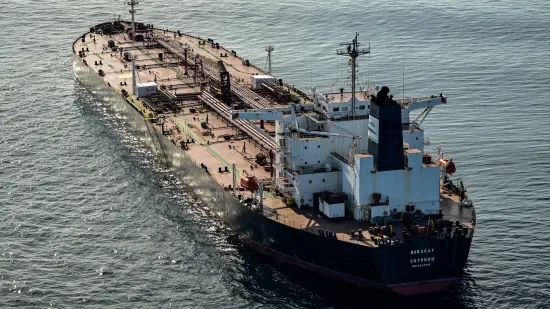
As part of a new package of sanctions, the European Union will allow member states to sell Russian oil and other goods confiscated from vessels belonging to the so-called ‘shadow fleet’. Brussels believes this will help to increase economic pressure on the Kremlin and reduce Russia’s revenue from energy exports.

26.07.2026
The Ministry of Defence plans to introduce the mandatory use of body cameras in the Territorial Defence Forces: what will change
Politics

The Ministry of Defence plans to introduce the mandatory use of body cameras in the Territorial Defence Forces: what will change

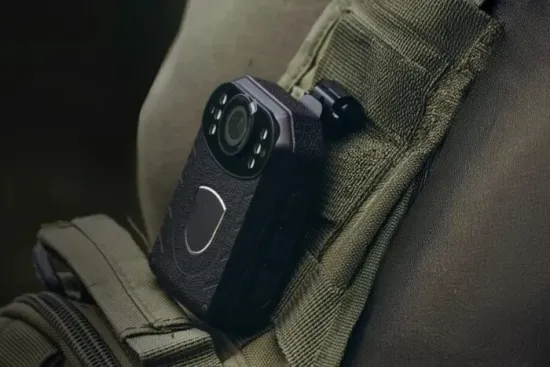
The Ukrainian Ministry of Defence is preparing amendments to the rules governing the use of body cameras in territorial recruitment and social support centres (TRSCs and SSCs). In particular, it is proposed to extend the retention period for video recordings to 90 days and to prohibit the switching off of cameras during mobilisation activities

26.07.2026