Iran reports thousands of deaths during protests

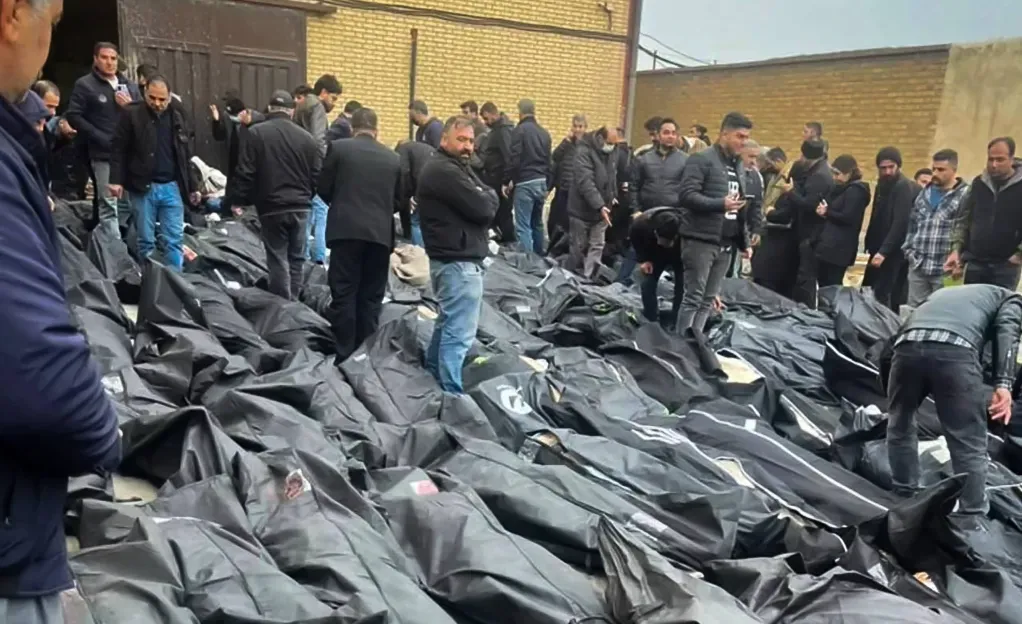
Thousands of people have died during the most massive protests in Iran in recent decades. This is according to a report by doctors and eyewitness accounts published by Western media. According to their data, at least 16,500 protesters may have died, and more than 330,000 people were injured. Most of the victims are young people under the age of 30. The protests, which began on 28 December due to the economic crisis and the collapse of the national currency, quickly escalated into nationwide demands for a change of power. This was reported by The Public with reference to The Times.
The Iranian authorities are reporting significantly lower figures. A regional Iranian official quoted by Reuters said that at least 5,000 people had been killed, including about 500 security forces personnel. The country's supreme leader, Ayatollah Ali Khamenei, acknowledged that "several thousand" people had died in three weeks of protests, while blaming the protesters, whom he called "a tool of the United States."
According to doctors, security forces used combat weapons, machine guns and snipers, and shot at the head and upper body. Eight specialised ophthalmology clinics and 16 emergency hospitals have recorded thousands of serious eye injuries. One Tehran clinic alone has documented about 7,000 such cases. Doctors also report a shortage of donated blood and cases where the wounded were denied transfusions.
Obtaining independent information is difficult due to the almost complete shutdown of the internet, which has been in place since 8 January. According to doctors and activists, communication is only possible via satellite terminals, the use of which is prosecuted by the authorities. The human rights group HRANA reports at least 3,308 confirmed deaths and more than 24,000 detentions, with thousands more cases still being verified.
International pressure is mounting amid the events. US President Donald Trump said that Washington could intervene in the event of mass executions of protesters and called for "new leadership for Iran." At the same time, the Iranian judiciary has allowed for the possibility of death sentences, classifying the actions of some protesters as "moharebeh," which is punishable by death under Iranian law.
The highest number of casualties was recorded in the Kurdish regions in the north-west of the country. Despite the temporary lull in street protests, experts believe that the current protests have become a turning point, as fear in society has diminished and discontent with the regime has spread to all 31 provinces of Iran.
Iran, Trump, Khamenei, USA
Photo The Times.