The UK is to establish a joint naval force with nine European countries

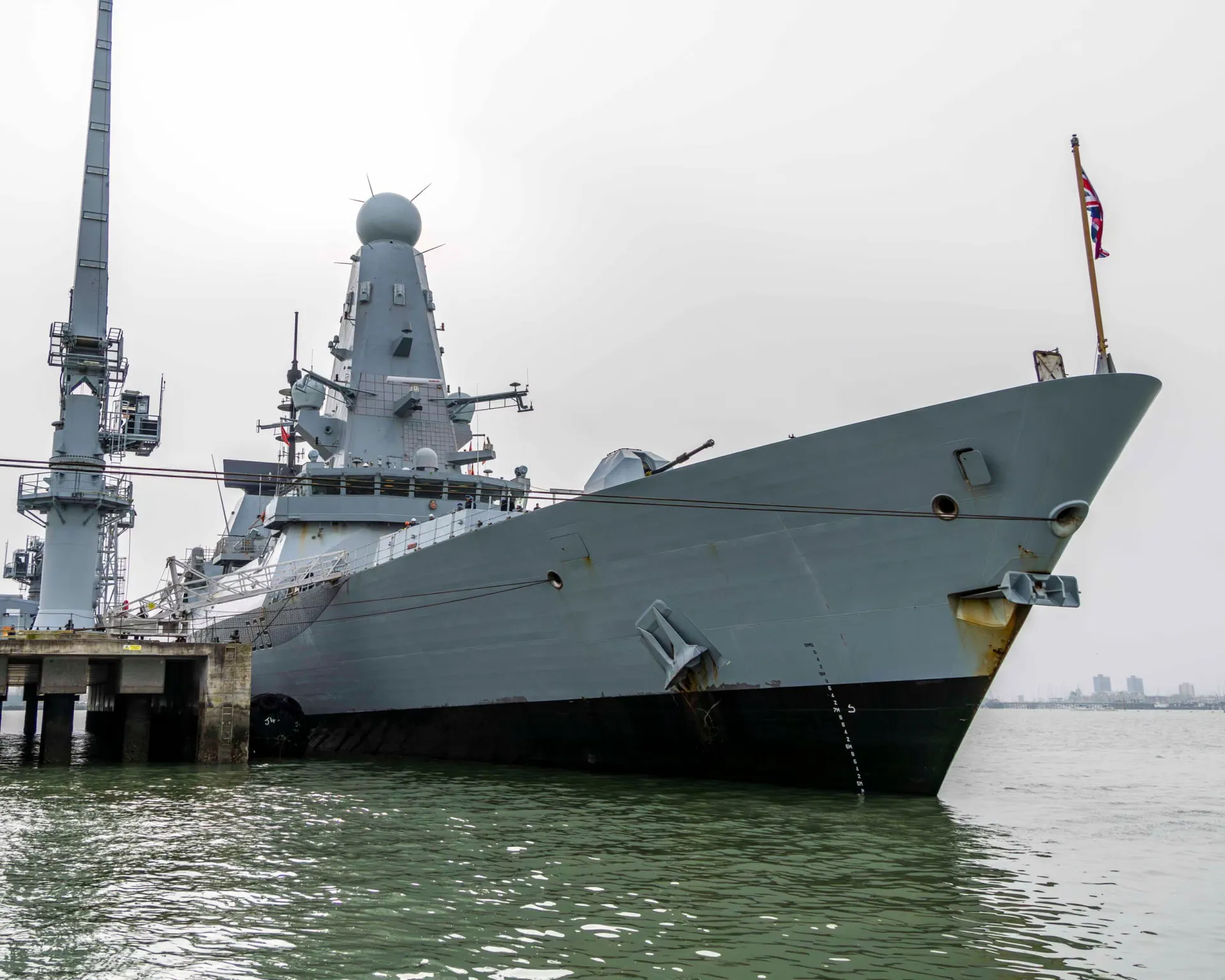
The Chief of the Royal Navy, General Sir Gwyn Jenkins, has stated that the ten nations of the Joint Expeditionary Force have signed a declaration of intent to establish a multinational naval force. The alliance comprises the United Kingdom, the Netherlands, the five Nordic countries and the three Baltic states.
According to him, despite the crisis in the Middle East, Russia remains the greatest threat to security. He also noted that Britain has an open maritime border with Russia to the north.
The new naval force is intended to complement NATO. It involves joint training and readiness for immediate response if necessary, with defined capabilities, plans and a level of integration.
The initiative does not include the United States. At the same time, military cooperation between the US and the UK is at a low level due to differences over the situation regarding the Strait of Hormuz.
Canada is considering joining the initiative. Some NATO allies are reviewing their approaches in response to increased Russian activity.
Earlier, the British side reported that Russian submarines had been monitoring underwater infrastructure near the country. According to Jenkins, the number of such incursions into British waters has risen by almost a third over the past two years.
Command of the new forces will be exercised from the military headquarters in Northwood if necessary. The main objective is to prepare for joint operations and ensure readiness for combat operations.
The Chief of the Fleet also stated that unmanned escort vessels will begin operating alongside British ships over the next two years.
At the same time, the navy faced problems with the availability of ships at the start of the war in Iran. The deployment of the destroyer HMS Dragon to the Eastern Mediterranean took place more than three weeks after a drone attack on the Akrotiri base in Cyprus, and the ship was subsequently forced to call into port due to technical faults.
Naval sources attribute these difficulties to a lack of investment and cuts to shipbuilding programmes in previous years.
The UK had also warned of the possibility of seizing tankers belonging to Russia’s so-called shadow fleet, which transport oil in circumvention of sanctions, but did not take such action. Meanwhile, other European countries resorted to similar measures.
Russia, for its part, has deployed frigates to escort sanctioned vessels through the English Channel. Since Prime Minister Keir Starmer’s public warning on 25 March, 98 such tankers have passed through British waters.