Vance loses influence in Trump administration amid war with Iran

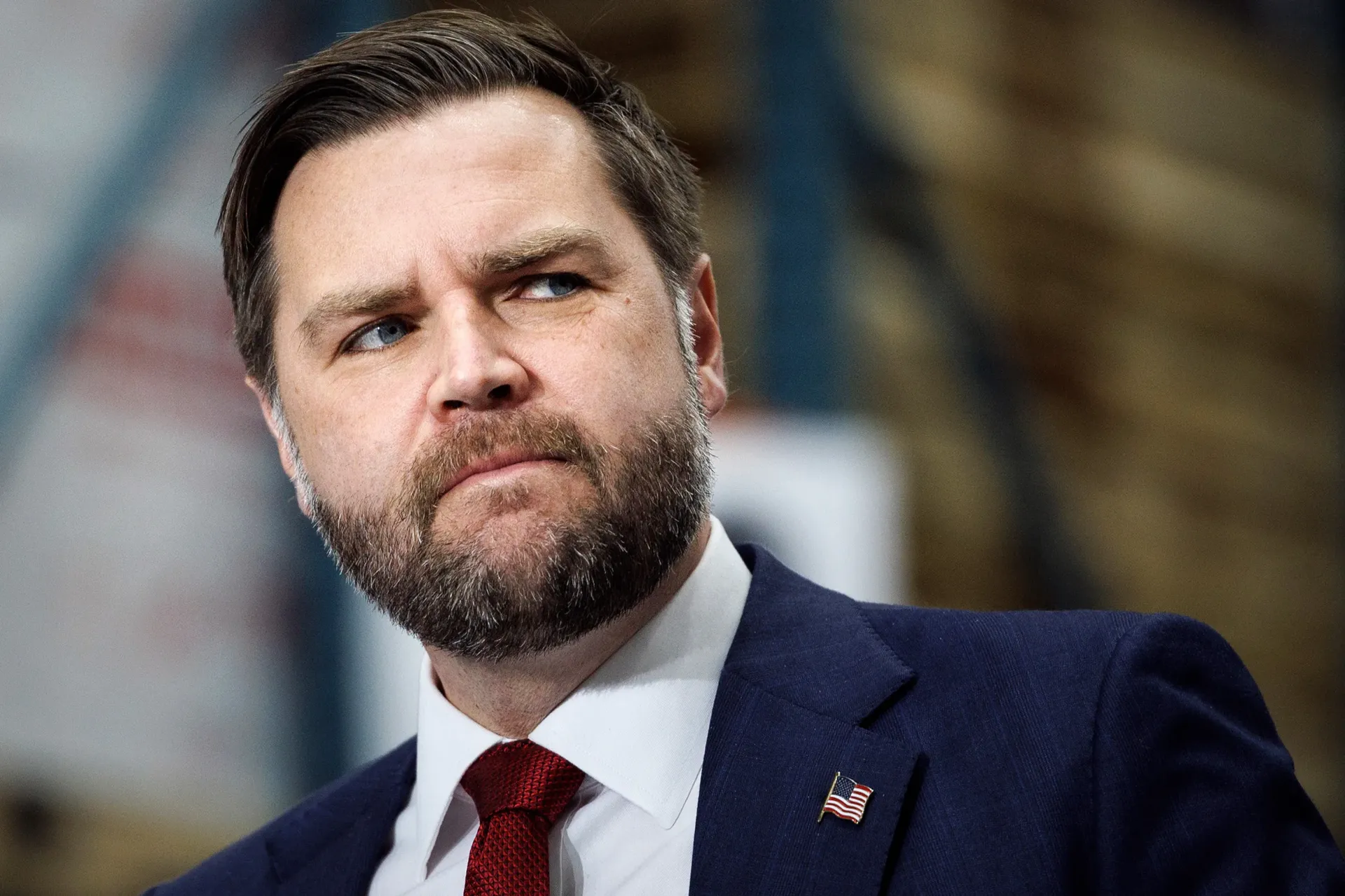
During the 2024 presidential campaign, Jay D. Vance stated that the United States should not get involved in a war with Iran. In one of his podcasts, he said that America should not constantly act as a power that controls all regions of the world. In his opinion, a war with Iran would be a significant distraction of resources and would be very costly for the country, writes The Atlantic.
In another interview in September 2024, he also called a war between Israel and Iran the most likely and dangerous scenario that could provoke World War III.
These statements are being revisited after US President Donald Trump decided to support Israel in its war against the Islamic Republic following the bombing of Iranian nuclear facilities. More than ten Middle Eastern countries are involved in the conflict.
Trump said he was ready to do "whatever it takes" militarily and that the wars could last "forever."
In the first days after the bombing began, Vance's X page, which is usually actively updated, did not publish any new posts. He was not with Trump in Mar-a-Lago during the strikes. Instead, the administration released a photo of the vice president holding another meeting at the White House with Director of National Intelligence Tulsi Gabbard.
After joining the White House, Vance proposed a number of ideas regarding the role of the United States in the world and economic policy. He advocated for a more restrained foreign policy and worker-oriented economic decisions.
In foreign policy, his positions are often attributed to the isolationist wing of the MAGA coalition. Vance has said that the US cannot wage wars on multiple fronts at the same time and should not spend limited resources on regional conflicts, particularly the war between Russia and Ukraine, as the country competes with China.
In private communications, according to messages that were accidentally made public last year, he expressed disagreement with strikes against Houthi militants. After the administration's decision, he agreed with it.
Vance's scepticism about supporting Ukraine has also attracted attention. While serving as a senator, he called Ukrainian President Volodymyr Zelensky's appeal for additional US aid "disgusting." During a meeting in the Oval Office, he asked the Ukrainian president if he had ever said "thank you."
One of his allies, Albright Colby, who was appointed to a position at the Pentagon, was behind last summer's decision to suspend arms supplies to Ukraine. However, President Trump soon reversed that decision.
The US continues to provide assistance to Ukraine in other ways. Intelligence services provide support, and the US military takes action against the so-called shadow fleet that circumvents sanctions. Trump's ally Elon Musk also shut down Starlink terminals that Russian forces were using to guide drones.
In domestic policy, Vance also advocated for a number of economic initiatives. These included expanding the child tax credit, supporting trade unions, antitrust measures against large technology companies, raising tariffs, and developing an industrial strategy.
Some of these proposals were not implemented in the administration's legislation. The One Big Beautiful Bill Act increased the child tax credit to $2,200 per child. Special accounts for children were also introduced, which will remain in effect until 2028.
The administration is also pursuing an active cultural policy, particularly on issues related to universities and attitudes toward European multiculturalism. At the same time, other officials, such as Deputy Chief of Staff for Policy Stephen Miller, have significant influence in the White House.
Vance has also put forward initiatives on the development of artificial intelligence. In a speech in Paris, he called for avoiding excessive regulation in this area and spoke of the need to protect American artificial intelligence technologies and chip manufacturing.
Later, the administration decided to issue licences to export advanced chips to China in exchange for a share of the revenue. There was also a conflict surrounding negotiations with Anthropic regarding cooperation with the Pentagon.
Jay D. Vance remains one of the administration's main representatives in public speeches and the media. At the same time, discussions about White House policy often point out that other officials have a decisive influence.
The vice president is traditionally a prominent figure, but does not always have a significant influence on decision-making. Vance's appointment to this position was seen as a symbol of the future direction of the Republican Party after Donald Trump.
Over the past year, his role in shaping the administration's policies has been assessed as less prominent than that of other members of the president's team.