Zaluzhny outlined his vision of Ukraine’s victory and possible scenarios for ending the war

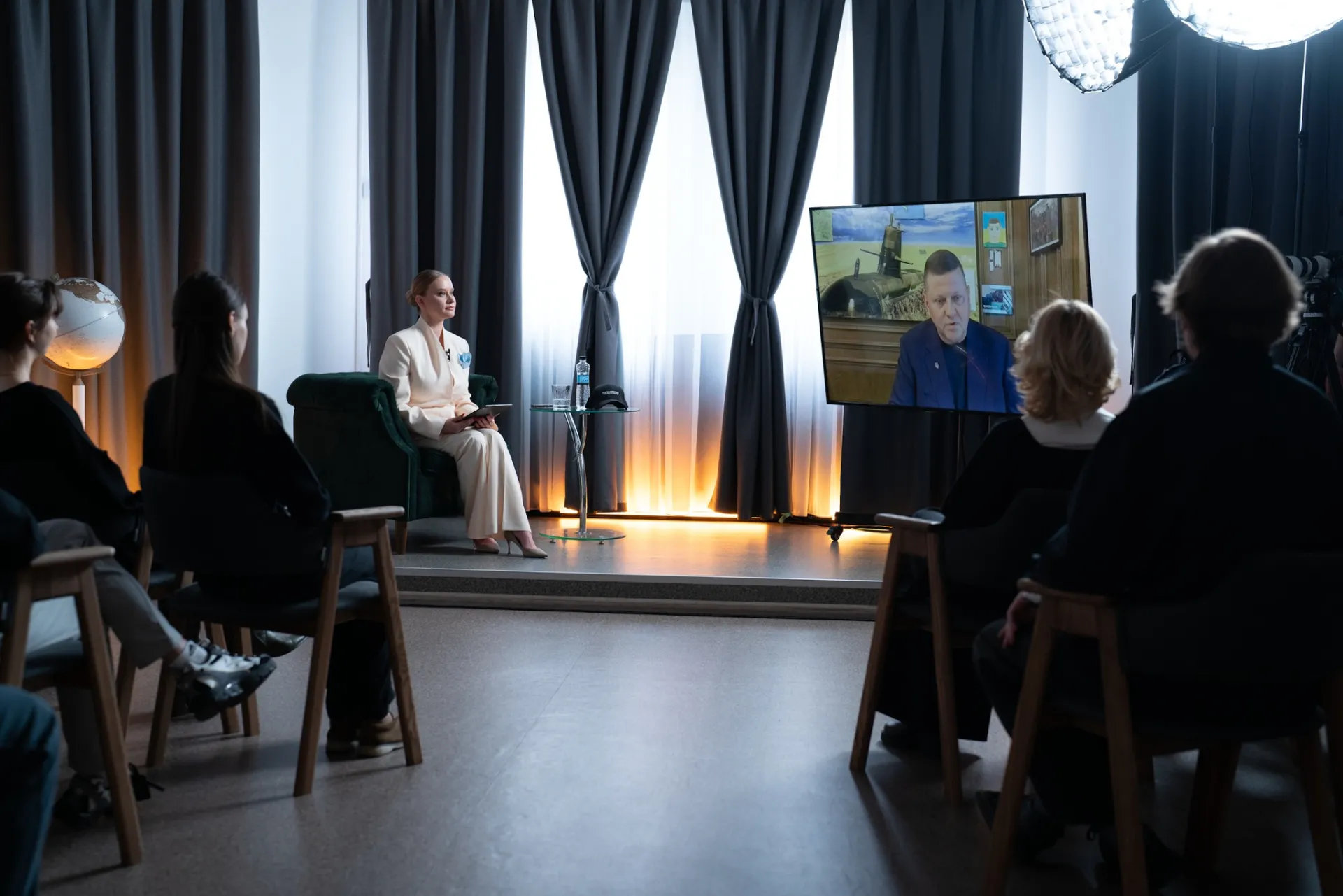
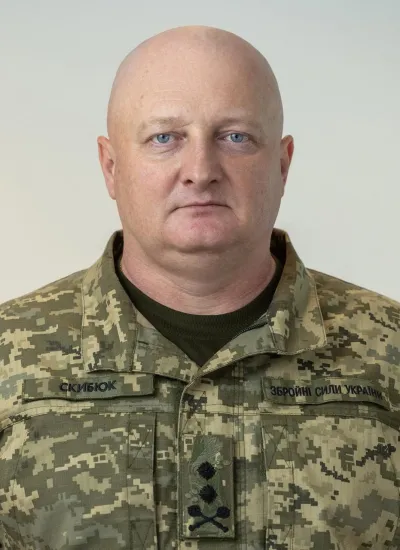
Valerii Zaluzhnyi, Ukraine’s Ambassador to the United Kingdom and former Commander-in-Chief of the Armed Forces of Ukraine, outlined his vision of Ukraine’s victory in the war with Russia during a meeting with students.
According to him, victory for him as a citizen is based on three key feelings. The first he named was complete security. Zaluzhny noted that he wants to feel it within 16–17 minutes of the victory being declared and to be confident that future generations will not have to fight.
The second aspect he identified was the existence of unlimited prospects for the development of the state and families. “I want to feel that my country, my children, and my family have unlimited prospects for development. It is about this country, exhausted by war, gaining prospects through the implementation of long-term programmes and funding,” he said.
Zaluzhny named the restoration of territorial justice as the third component. He gave the example of his own home, noting that the loss of even a part of the territory cannot be considered final. “If it turns out that my neighbour takes a piece of my garden or my shed from this house of mine, the only thing I will do as I lie dying is make my son swear that he will reclaim both the shed and this garden,” he declared.
Separately, Zaluzhny noted that both sides will try to present the outcome of the war as a victory. He believes that the current situation has no military solution and described it as a “zugzwang”.
“It’s a kind of zugzwang. It’s a war to see who will fall first and be crushed. And whoever falls will, 100 per cent, be considered the losing side in a war of attrition. Neither Russia nor Ukraine can allow that to happen,” he said.
According to him, neither the United States nor China can allow either Ukraine or Russia to be defeated.
During his speech, Zaluzhny also outlined five possible scenarios for ending the war. The first option envisages a Ukrainian victory and forcing Russia to surrender.
The second scenario involves the need for external pressure on the Russian Federation in the event that our own forces are insufficient.
“If we do not have sufficient forces for this, we must make every effort to ensure that someone forces the Russian Federation to end the war,” he said.
The third option envisages the possibility of direct negotiations with Russia with the aim of achieving security and prospects for development.
Separately, Zaluzhny mentioned the option of surrender, but called it unacceptable.
“There is also a fourth option: ‘What if, if we surrender, we get all of this?’ Is that an option or not? Well, knowing that they will kill us all, that is not an option for us,” he noted.
He described the fifth option as continuing the war in the absence of other solutions.
“So, we are left with one option: as long as there are no other options, to continue fighting,” Zaluzhny said.
He emphasised that each of these scenarios is a political objective requiring separate strategies in the diplomatic, military, economic and cultural spheres.