Zelenskyy stated that a protracted war in Iran benefits Russia and harms Ukraine

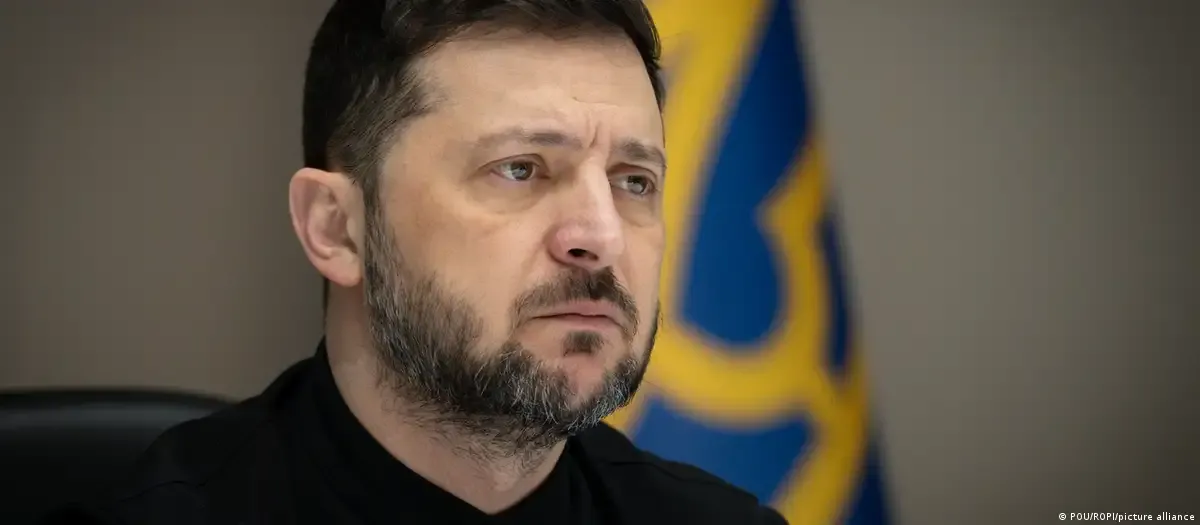
Ukrainian President Volodymyr Zelenskyy has stated that a protracted war in Iran benefits Russia and has a negative impact on Ukraine. In an interview with Axios, he noted that Russia’s oil-dependent economy stands to gain from rising prices, as well as from the easing of US sanctions.
According to Zelenskyy, the conflict could lead to a shortage of air defence systems and other types of weaponry that Ukraine needs. He emphasised that he is certain such difficulties will arise.
“I am certain that Russia wants a long war. They stand to gain. The US is focusing on the Middle East and may reduce military aid to Ukraine. Sanctions are being partially lifted. I see only benefits for Russia in continuing the war with Iran,” he said.
The President also expressed concern over the US decision to grant exemptions from sanctions related to the sale of Russian oil. According to him, an increase in Russia’s energy revenues does not help Ukraine.
The interview was recorded after Zelenskyy returned to Kyiv from a trip to the Middle East, where he discussed security issues with the leaders of Saudi Arabia, the UAE, Qatar and Jordan.
He said that Ukrainian military experts had been working in several countries in the region over the past month, helping to shoot down Iranian drones. He noted that these countries had familiarised themselves with the Ukrainian defence system, which combines various elements of protection.
Zelenskyy reported that Ukraine had shared intelligence with regional leaders regarding Russia’s assistance to Iran. Specifically, this concerns the potential provision of satellite imagery to guide strikes against US and allied military bases in countries including Saudi Arabia, Qatar, Jordan and the United Arab Emirates.
He noted that Russia had used similar data during strikes on Ukraine, and therefore assumes that similar assistance is being provided to Iran. Zelenskyy also stated that the Russian side is sharing its combat experience with Iran, specifically the use of FPV drones for short-range attacks.
The positions of Middle Eastern leaders on the course of the war differ. Some believe the conflict will continue, whilst others advocate for its swiftest possible conclusion.
According to Zelenskyy, Ukraine advises ending the war as soon as possible and moving towards negotiations, even if the parties cannot engage in direct dialogue with one another.
The President noted that he did not visit Israel during his trip, as the country had not requested assistance. He also stated that he had not spoken to Israeli Prime Minister Benjamin Netanyahu for two years and that the decision on cooperation rests with Israel.
When asked about Netanyahu’s stance on Russia, Zelenskyy replied that he did not know, but believed that Netanyahu was trying to strike a balance between Ukraine and Russia.
He added that Ukraine has a shortage of air defence systems but is ready for dialogue with Israel regarding mutual cooperation.
According to Ukrainian officials, against the backdrop of the US’s focus on Iran, the negotiation process regarding the war in Ukraine is not progressing. A Ukrainian delegation met with Donald Trump’s representatives Steve Witkoff and Jared Kushner in Miami, but this meeting yielded no results.
Zelenskyy also expressed concern that, once the war in Iran is over, the Trump administration may resume pressure on Ukraine regarding territorial concessions.
“They want to end the war. My concern is that they see only one way forward. I am sure that President Trump and his team want to end the war. But why should we pay the price for this? We are not the aggressors. They see no other way to stop Putin except by withdrawing Ukrainian troops from our territory. My concern is that no one is really assessing the danger such a decision poses to our security,” he said.
Concerns have also been raised in Europe and Ukraine regarding a possible easing of US pressure on Russia. These fears came to the fore during a tense discussion between US Secretary of State Marco Rubio and EU Foreign Policy Chief Kaja Kallas at last Friday’s G7 meeting.