Гетманцев відповів Поперешнюку на ідею урізати бюджет удвічі
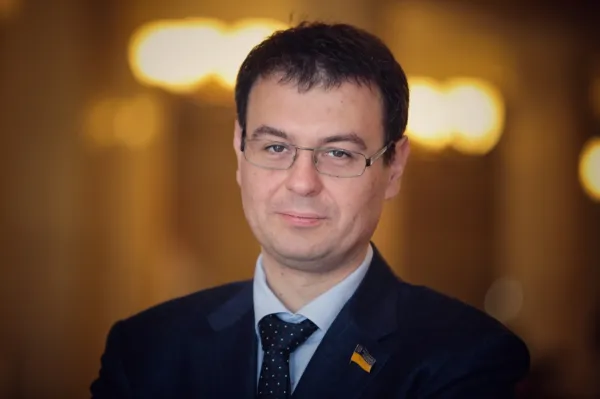
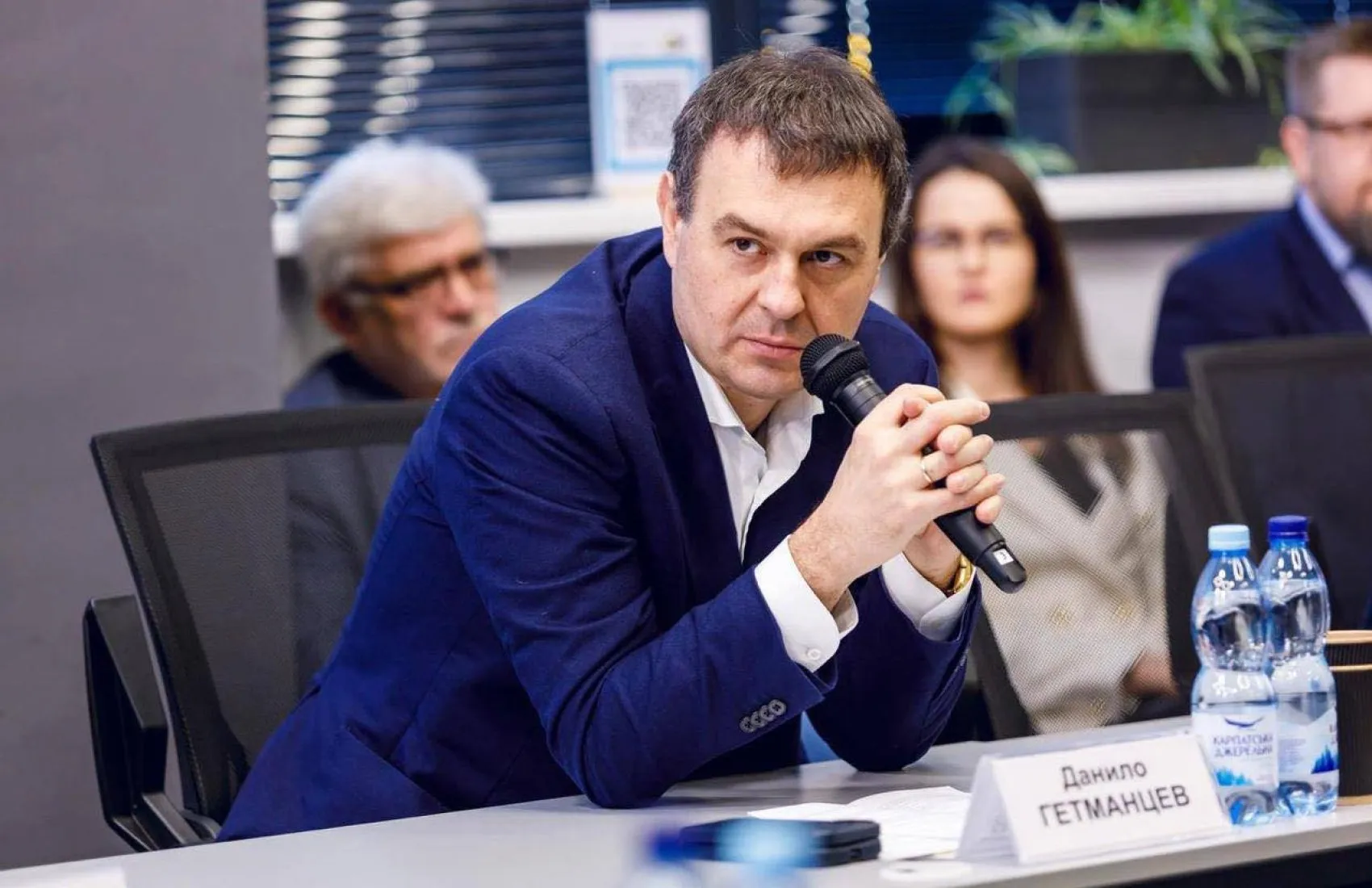
Danylo Getmantsev wrote about this on Facebook.
In his post, Getmantsev stated that he has long since stopped responding to the “apostles of the cult of simple solutions”, who, in his words, should have been marginalised along with Rostyslav Shurma’s “10/10/10” idea.
“But sometimes people need to be reminded of who they are dealing with. Because people forget. And one must not forget, because it is easy for a person to fall into the temptation of simple solutions to complex problems,” wrote the MP.
He then went on to criticise the idea of Volodymyr Poperechnyuk, who, according to Getmantsev, proposes cutting state spending “by at least half” whilst abolishing taxes.
The MP noted that planned state budget expenditure for 2026 amounts to 4,767.2 billion hryvnias, of which 2,807.1 billion hryvnias is spent on security and defence. According to him, this sector accounts for 59% of all state budget expenditure.
Getmantsev asked whether such a proposal would mean cutting all non-military expenditure and a further 15% of military expenditure, or a 85% cut to the military budget, which, as he wrote, would effectively mean disbanding the army.
What figures and arguments did Getmantsev present?
At the same time, the MP suggested that Poperechnyuk might have meant cutting half of non-military expenditure, “after all, he is a patriot”.
Following this, Getmantsev outlined the structure of non-military expenditure. According to his data, 26.2% goes towards servicing the national debt, 24.6% towards social protection – specifically transfers to the Pension Fund, payments to people with disabilities and large families – 12.9% towards healthcare, 11.5% – to transfers to local budgets, the lion’s share of which is the education subvention, 9% – to economic activity, 7.5% – to education outside the education subvention, and 1.6% – to other functions, including culture, sport, the environment and housing and communal services.
He also emphasised that only 6.6% of non-military expenditure goes directly towards general government functions excluding debt servicing, i.e. the maintenance of government bodies and other state functions.
According to Getmantsev’s assessment, a total of 84% of non-military expenditure comprises the social sector, transfers to local budgets and servicing the national debt.
He also mentioned the cashback scheme for purchasing Ukrainian goods in retail outlets, to which, as he noted, imported fuel has now been added. According to the MP, he has consistently opposed this scheme, but its share in the expenditure structure amounts to only 0.3–0.5%.
Against this backdrop, Getmantsev asked what exactly would be cut if non-military expenditure were halved: expenditure on healthcare and education workers, their salaries, payments to people with disabilities and veterans, or servicing the national debt.
“And, understanding the social consequences of cutting already meagre budget payments, to call a spade a spade – social genocide,” he wrote.
At the end of his post, Getmantsev stated that he had appealed to the Verkhovna Rada, warning of the inevitability of a financial catastrophe – not due to a prudent financial policy, which, he said, together with partners had allowed the country’s financial stability to be maintained at an unprecedentedly high level, but to stop the “deadly virus of simplistic solutions”, which, he believes, has infected parliament “in anticipation of a fictitious election or simply come spring”.
He also called on everyone who speaks publicly about taxation, public finances and futurology to, at least until peace is restored, check their assumptions against figures that are publicly available.
As a reminder, the appeal regarding the possible illegal import of goods via cargo companies, submitted last autumn to law enforcement, customs and tax authorities, has not yielded any visible results – Getmantsev