What are the salaries of NATO military personnel?

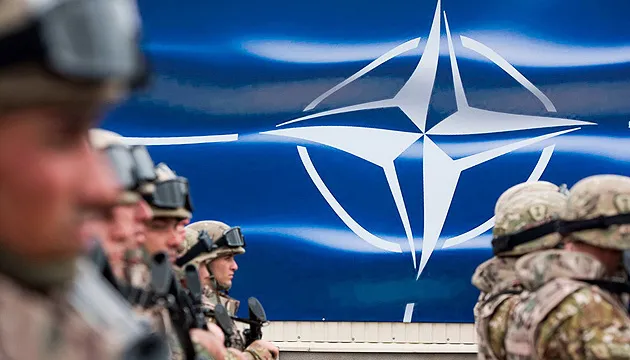
How much do NATO military personnel earn in different countries?
Approximate figures for enlisted personnel (entry-level position, before tax):
USA — approximately $24,000–28,000 per year plus benefits (accommodation, meals, health insurance), which adds a further ~$15,000–25,000 equivalent. That is, €2,500–3,000.
United Kingdom — around £25,000 per year after initial training. That is €2,500 per month.
Germany (Bundeswehr) — from €2,300 to €2,700 per month for a private; contract soldiers receive more.
France — around €1,600–1,800 net per month to start with, plus service allowances.
Poland — approximately 6,000 PLN per month (~€1,400) for a new contract soldier.
Romania, Bulgaria, the Baltic states — from €700 to €1,500 per month for enlisted personnel.
Turkey — the lowest figures among alliance members, around $500–800 per month.
Officers receive significantly more: a captain in the US earns $70,000–90,000 a year, a colonel — $120,000+, a general — from $180,000. In Germany, a major receives around €5,500–6,500 a month.
Is there a combat allowance?
Yes, all NATO countries offer allowances for combat operations, service in high-risk areas and the performance of dangerous tasks. The names, amounts and conditions vary, but the principle is the same everywhere: a basic salary plus allowances for specific service circumstances.
The US has one of the most extensive systems. Hostile Fire Pay / Imminent Danger Pay amounts to $225 per month for service in an area officially designated as dangerous. Combat Zone Tax Exclusion fully exempts a serviceman’s pay received whilst in a combat zone from federal tax (there is an upper limit for officers). Hardship Duty Pay ranges from $50 to $150 per month for service in difficult conditions. Separately, there is Hazardous Duty Incentive Pay — $150–250 per month for parachute jumps, working with explosives, flying missions, etc. Family Separation Allowance — $250 per month if a service member is separated from their family for more than 30 days due to service.
The UK pays an Operational Allowance — around £30 per day (approximately £900 per month), tax-free, plus a Longer Separation Allowance, which increases with each new deployment. Council tax is refunded for the period of service abroad.
Germany has the Auslandsverwendungszuschlag — an allowance for overseas service ranging from €30 to €145 per day depending on the risk level (six categories). The highest rates apply to Mali, Afghanistan (previously), and operations involving a real combat threat. This allowance is tax-free.
France pays the Indemnité de sujétions pour service à l'étranger and additional coefficients for combat operations (OPEX). A soldier may receive between 1.5 and 3 times their basic salary for the duration of their stay in a combat zone, plus partial tax exemption.
Poland pays a daily allowance of between $60 and $110 per day of service in the operational zone during participation in overseas missions, which amounts to several thousand dollars a month on top of the basic salary.
Canada has a Hardship Allowance and a Risk Allowance, which are combined — ranging from several hundred to over $2,000 a month, plus exemption from income tax whilst serving in a zone with a risk level of 3 or higher.
Smaller NATO countries (the Baltic states, Romania, Bulgaria, the Czech Republic, Slovakia) also pay allowances for participation in missions abroad, usually in the form of a daily allowance of $50–100 per day, which for their military personnel means a salary several times higher than the standard rate.
Separately, almost all countries pay compensation for injuries, disability and to the families of those killed — these are no longer ‘bonuses’ but insurance payments and pensions, yet they too form part of the overall system.
All articles in the "Opinion" section are published in full from their original sources. The editorial team may not share the authors’ views and accepts no responsibility for their statements.