The story of the IPSO ‘parade in Moscow’ – fact or fiction?
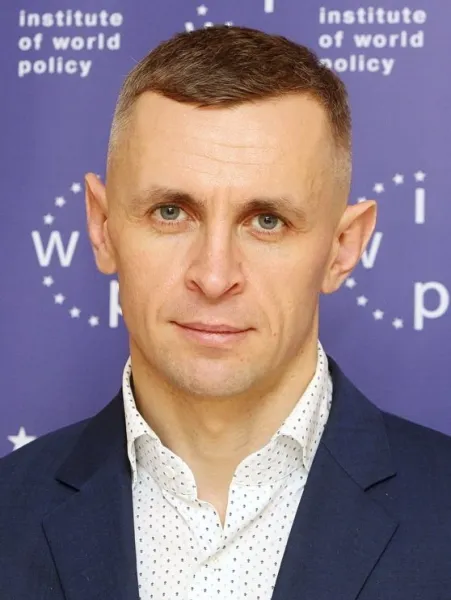
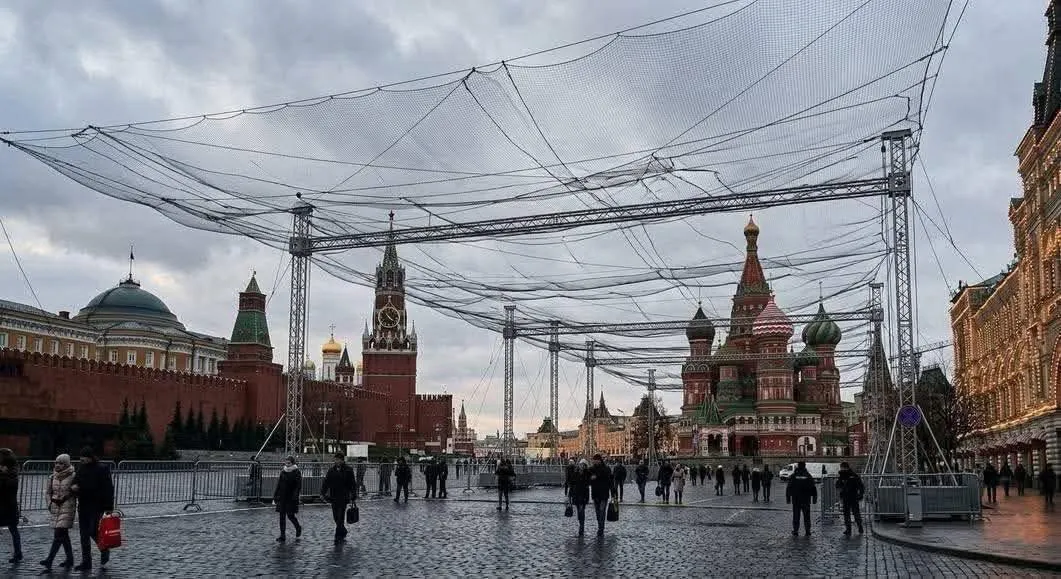
The whole business of the ‘parade in Moscow’ is looking more and more like a classic Kremlin information and psychological operation. The only question is what its real purpose is.
I may be wrong. But the whole business of the ‘parade in Moscow’ is looking more and more like a classic Kremlin information and psychological operation. The only question is what its real aim is.
Judge for yourselves. For the past two weeks, Moscow has been awash with conspiracy theories. Rumours are being spread that Putin is hiding somewhere other than in his own residences, whilst the Communist Party is allowing opposition rallies to take place (where, evidently, participants are being registered). Sobchak is recording Ilya Remeslo – a war correspondent who talks about Navalny, Prigozhin and ending the war. Where is the FSB looking?
It looks like a controlled release of steam and, at the same time, a test of public reaction. Meanwhile, competition for influence among political players in the Kremlin is intensifying.
Against this backdrop, Putin is sending signals to the outside world. There was allegedly some sort of appeal to Trump, some letters to European leaders, talk of a ‘ceasefire’. All this overlaps with the Ukrainian information landscape, where the narrative that ‘Putin is afraid of Ukraine’ is being actively promoted. And he responds to Zelenskyy’s proposal to begin a ceasefire on 6 May with drone strikes.
But here a key contradiction arises. If he is “afraid”, then why is he responding with strikes to Kyiv’s proposal to introduce a ceasefire on 6 May? Why, instead of de-escalation, do we have the opposite – an escalation of attacks?
It is precisely in this contradiction that the real answer may lie. For the logic of such special campaigns is not to convince anyone of anything. Rather, it is to confuse. To create several realities simultaneously and force the audience to choose the most misleading one themselves. This is all very similar to the classic model of managed information chaos.
What does this give the Kremlin? Firstly, it creates an external effect. Russia is once again trying to convince the world that the Kremlin is seeking peace, whilst Ukraine wants escalation.
Secondly, an internal effect. An atmosphere of instability, rumours of threats, strange signals from above – all this is preparing Russian society for unpopular decisions. Including a new wave of mobilisation – whether open or covert.
Thirdly, the military aspect. The information noise distracts and shifts the focus; it creates the illusion that the main event is already taking place (a parade, a ‘ceasefire’, internal problems in the Russian Federation), whilst real actions may be being prepared on another front.
That is precisely why the link to 8–9 May may not be the objective, but merely a cover for an organised attack, as warned by foreign intelligence communities. As one possibility.
It is important to understand that not all these signals are necessarily part of a single plan. But the risks should not be underestimated either. The information landscape is heated, the messages are contradictory, and audiences – both domestic and international – are gradually being led to the desired conclusions. And this whole affair may turn out to be nothing more than a smokescreen for decisions the Kremlin is already ready to implement.
All articles in the "Opinion" section are published in full from their original sources. The editorial team may not share the authors’ views and accepts no responsibility for their statements.