Navrotsky is strengthening his influence on Poland’s right wing through his harsh anti-Ukrainian rhetoric
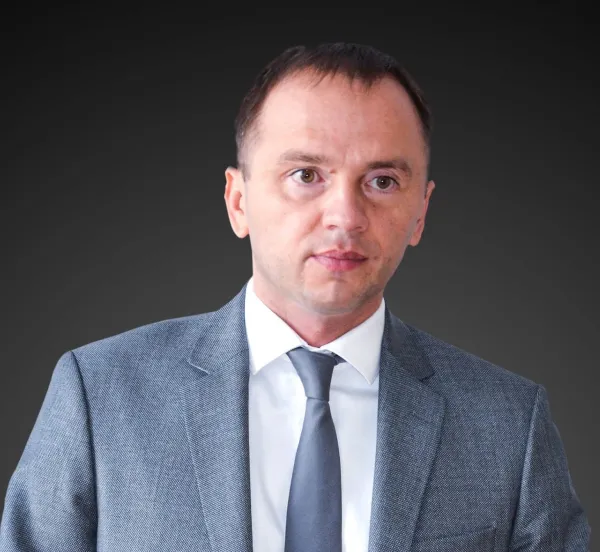
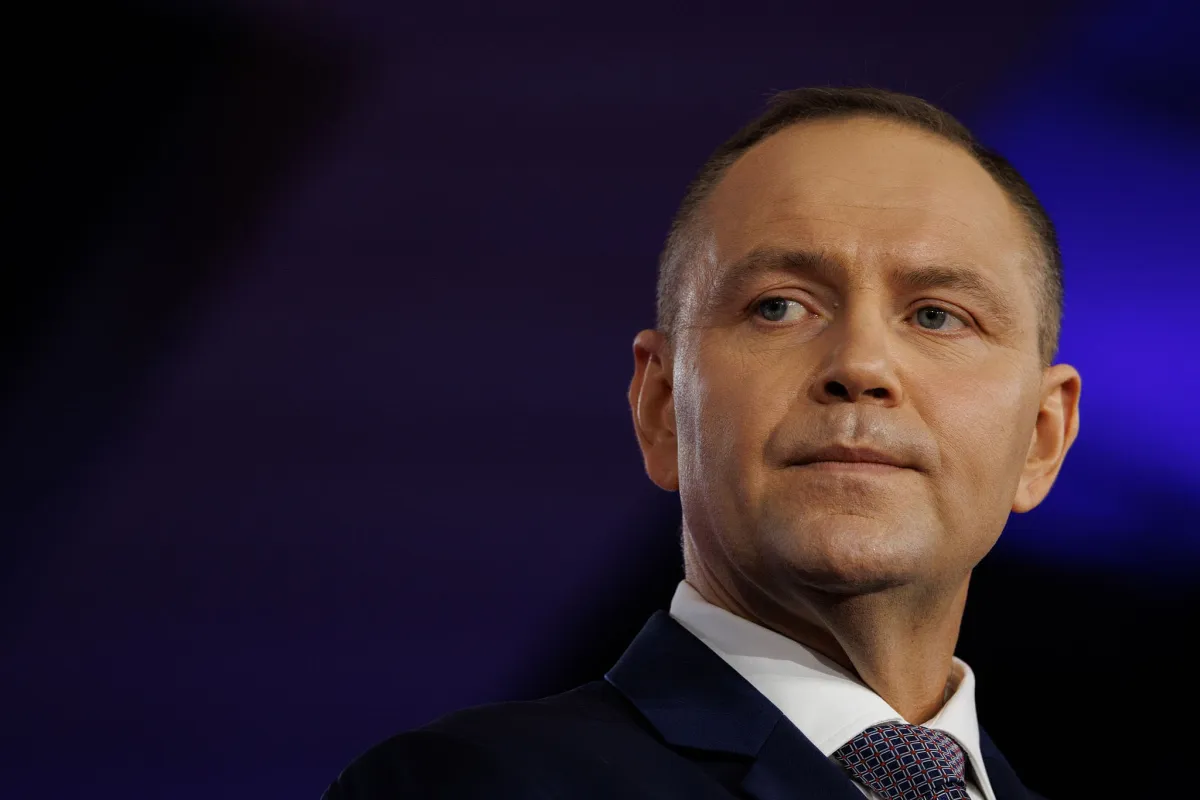
Polish President Karol Nawrocki is seeking to establish himself as a key figure in the right-wing camp. To this end, he is stepping up his hardline political rhetoric, whilst at the same time challenging both Donald Tusk’s government and the traditional leaders of the Polish conservative movement.
Polish President Navrotsky dreams of becoming a ‘right-wing icon’ for Poland. And in doing so, he is challenging the state’s ‘boss’ (naczelnik), the eternal ‘grey cardinal’ of the right, Jarosław Kaczyński, in an attempt to take the lead. Do you think he likes the fact that it is Kaczyński who chooses Poland’s presidents and prime ministers?
Anyone who follows Polish politics will reasonably note that Nawrocki has built his political image against the backdrop of a dominant alpha male with fighting qualities, having boxed in his youth and taken part in football hooligan brawls.His psychological modus operandi, therefore, is to act like a boxer: not to shy away from a fight and to be ready for a head-on clash. And to present himself as a ‘hero’ – he needs to strike. Directly at Tusk via Zelenskyy, and indirectly at Kaczyński and the leaders of the ‘Confederations’.
Poland’s conservative circles erupted with approval and fervent support for the attack on Ukraine. Here, everything is both simple and complex at the same time – the stereotypical perception of Ukrainians as a small nation, ‘inferior’, ‘peasants’, who have raised their heads as a result of a successful stand-off against a stronger enemy – the Russian Federation – and gained a status as a military power, which is far more attractive to Europe in security and military terms than the eternally haughty but hollow Poland. The attack on the President of Ukraine is a form of compensation for those Poles who are irritated by Ukraine’s assertive power.
How does this tactic work in Navrotsky’s hands? The narrative is fuelled by the perception of politics as a continuation of a symbolic historical battle, in which the figure of the president becomes the embodiment of the defence of Polish identity. It is therefore no surprise that, according to a United Surveys poll for Wirtualna Polska, 51 per cent of Poles were in favour of stripping Zelenskyy of his award. And amongst the opposition electorate and Navrotsky’s core supporters (PiS and right-wing forces), support for this move stands at around 80 per cent. An analysis of a large corpus of comments and reactions by Res Futura across the Polish media landscape revealed an even more radical shift: 74 per cent of reactions and posts expressed open support for Nawrocki’s decision.
The bottom line is that the Polish president is rallying the right-wing around him and dictating the agenda to Tusk’s liberal government, which is forced to remain flexible and cautious.
The Polish president’s Achilles’ heel is that his intransigence limits his ability to be a president for all Poles and will only deepen social polarisation. One mistake along this path – and everything will come crashing down, as is often the case with leaders who appeal to collective instincts and traditional values. Overdoing the anti-Ukrainian rhetoric could cost Navrotsky the failure of his strategy for the parliamentary elections in autumn 2027.
All articles in the "Opinion" section are published in full from their original sources. The editorial team may not share the authors’ views and accepts no responsibility for their statements.